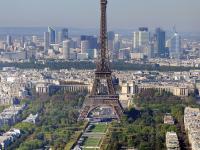





France maintains a high terrorism threat level. Travelers must exercise extreme caution nationwide. Attacks may target government buildings and police stations. Educational institutions and places of worship are also at risk. Cultural venues like concert halls face potential danger. Transportation hubs, including airports and metro networks, require vigilance. This risk exists across the entire country. Constant awareness is essential for personal safety. Monitor local news for real-time updates. Follow all instructions from French authorities immediately. While terrorism is a primary concern, scams are prevalent. Pickpocketing targets tourists in major cities like Paris. High-traffic areas include the Eiffel Tower and Louvre Museum. The Metro Line 1 and RER B trains are hotspots. Scammers operate predictably at these locations. Knowledge and awareness serve as the best defense. Use official resources for specific safety guidance. The French Tourist Police website offers reliable advice. Consult the U.S. Embassy Safety Guide for details. Stay alert in crowded spaces like the Sacré-Cœur Basilica. Avoid displaying valuables openly in public areas. Remain vigilant when navigating busy tourist districts. Prioritize personal security above all other activities.
Mastering Pickpocket Defense
Pickpocketing is the primary threat in major French cities like Paris, Nice, and Lyon. Thieves operate predictably at high-traffic tourist locations. High-risk zones include the Eiffel Tower, Louvre Museum, and Champs-Élysées. Metro Line 1 and RER B airport trains are also dangerous. Thieves use distraction tactics and crowd density to steal. You must keep bags in front of your body at all times. Avoid placing wallets or phones in back pockets. Use anti-theft bags with locking zippers for better security. Knowledge and awareness are your best defenses against these schemes. Stay alert in crowded areas near Notre-Dame Cathedral and Sacré-Cœur Basilica. The Palace of Versailles is another common target for thieves. Do not leave belongings unattended while taking photos. Keep valuables hidden from plain sight. Be cautious on public transportation during peak hours. Report any incidents to local authorities immediately. Use the French Tourist Police website for additional safety guidance. The U.S. Embassy Safety Guide offers specific advice for Paris and Marseille. Vigilance is essential for a safe trip through France.
Spotting Common Tourist Traps
France faces specific non-violent scams targeting tourists in major cities. These schemes rely on aggressive social pressure to extract money. The friendship bracelet scam is common near landmarks. Strangers force a bracelet onto your wrist. They then demand payment for the unwanted item. The fake petition scam involves groups with clipboards. They ask for signatures to support a cause. This tactic distracts you while an accomplice pickpockets you. The gold ring scam involves finding a ring on the ground. A stranger claims it belongs to you. They offer to sell it for a low price. The ring is worthless costume jewelry. Restaurant scams often involve unclear pricing. Menus may lack clear prices for dishes. Staff may add hidden service charges later. Always verify the total bill before paying. Aggressive tactics are used to pressure donations or sales. Do not engage with these individuals. Walk away immediately if approached. Maintain a firm demeanor and continue walking. Verify all pricing before ordering food or drinks. Check menus for explicit costs. Ask for the bill before eating if unsure. Knowledge and awareness are your best defenses. Stay alert in high-traffic tourist zones. Avoid distractions that separate you from your belongings. Report any suspicious activity to local authorities.
Securing Transportation and Accommodation
France requires high caution for terrorism. Transportation hubs are potential targets. Use well-lit, occupied metro carriages. Sit near the driver for safety. Avoid empty train cars late at night. Taxis often lack meters in cities. Use ride-sharing apps to avoid fare disputes. This prevents aggressive pricing by drivers. Verify taxi licenses before entering vehicles. Choose accommodations with 24-hour reception services. Secure access is essential for safety. Private rentals require lock verification. Check window security before settling in. Unsecured windows allow unauthorized entry. Verify deadbolts on all exterior doors. Use portable door alarms for added security. Report suspicious activity to local police. French tourist police assist travelers directly. Keep valuables hidden from view. Do not display expensive electronics openly. Awareness reduces risk significantly. Follow official travel advisories closely. Stay informed about local security updates. Plan routes during daylight hours when possible. Avoid isolated areas after dark. Trust your instincts if a situation feels unsafe. Leave immediately if threatened. Contact your embassy for serious incidents. Maintain communication with travel companions. Share your itinerary with trusted contacts. Prioritize personal safety above all else.
Emergency Response and Legal Rights
Use the European emergency number 112 for all urgent crises. This connects you to police, fire, or medical services instantly. For non-emergency police assistance, dial 17. This line handles minor incidents and general inquiries. File a police report immediately if you experience theft. This document is essential for supporting insurance claims later. Keep digital copies of your passport and visa. Store these securely in cloud storage or email. This ensures access to identification if originals are lost. Know your embassy or consulate contact information. Seek legal assistance from diplomatic missions if needed. French authorities prioritize serious crimes and terrorism threats. Minor scams may receive less immediate attention. Always report incidents to local police for official records. Carry a printed list of emergency contacts. Include your accommodation address and local phone numbers. Stay aware of your surroundings in crowded areas. High-risk zones include major tourist sites and metro lines. Trust your instincts if a situation feels unsafe. Move to well-lit, populated areas immediately. Report suspicious behavior to nearby security personnel. Cooperate fully with law enforcement during investigations. Provide accurate details to aid their efforts. Do not confront suspects directly. Prioritize personal safety over property recovery. Seek medical attention for any injuries sustained. Document all injuries with photographs for evidence. Follow local legal procedures for victim support. Access free legal aid if eligible. Maintain calm and clear communication with officials. Record names and badge numbers of responding officers. This information proves valuable for future reference. Stay informed about current travel advisories. Update your emergency plan as needed. Regularly review your insurance policy coverage. Ensure it includes repatriation and legal costs. Prepare for potential delays in service. Rural areas may have slower response times. Urban centers typically offer faster assistance. Always verify the identity of uniformed officers. Genuine officers carry official identification. Refuse to pay fines on the spot. Legitimate fines require official documentation. Report any misconduct by authorities immediately. Your rights are protected under French law. Seek clarification if instructions are unclear. Ask for a translator if language barriers exist. Many officers speak basic English. Remain polite and cooperative throughout interactions. This facilitates smoother resolution of issues. Keep your phone charged and accessible. Battery life can drain quickly in emergencies. Carry a portable charger for safety. Know the location of the nearest police station. Identify safe havens in unfamiliar neighborhoods. Plan your route to avoid isolated areas. Travel in groups when possible. Group travel reduces targeting by scammers. Stay vigilant in high-traffic tourist zones. Pickpockets operate predictably in these areas. Keep valuables concealed and secure. Use anti-theft bags for protection. Be wary of distractions near landmarks. Thieves often use coordinated teams. Report any suspicious activity to authorities. Your vigilance helps maintain public safety. Stay informed about local news updates. Awareness reduces vulnerability to scams. Trust official sources for accurate information. Avoid sharing personal details with strangers. Protect your identity from fraud. Use secure Wi-Fi networks only. Public networks pose security risks. Enable two-factor authentication on accounts. This adds an extra layer of protection. Monitor your financial statements regularly. Report unauthorized transactions immediately. Contact your bank to freeze accounts. Act quickly to minimize losses. Keep receipts for all purchases. These serve as proof of ownership. Document serial numbers for expensive items. This aids in recovery efforts. Stay connected with fellow travelers. Share safety tips and updates. Collective awareness enhances individual security. Remain alert and prepared at all times. Safety is a shared responsibility. Your actions contribute to a secure environment. Follow guidelines to ensure a safe trip. Prioritize well-being over convenience. Stay informed and stay safe.