







- Where
- Arles, Provence-Alpes-Côte d'Azur
- Directions
- Directions
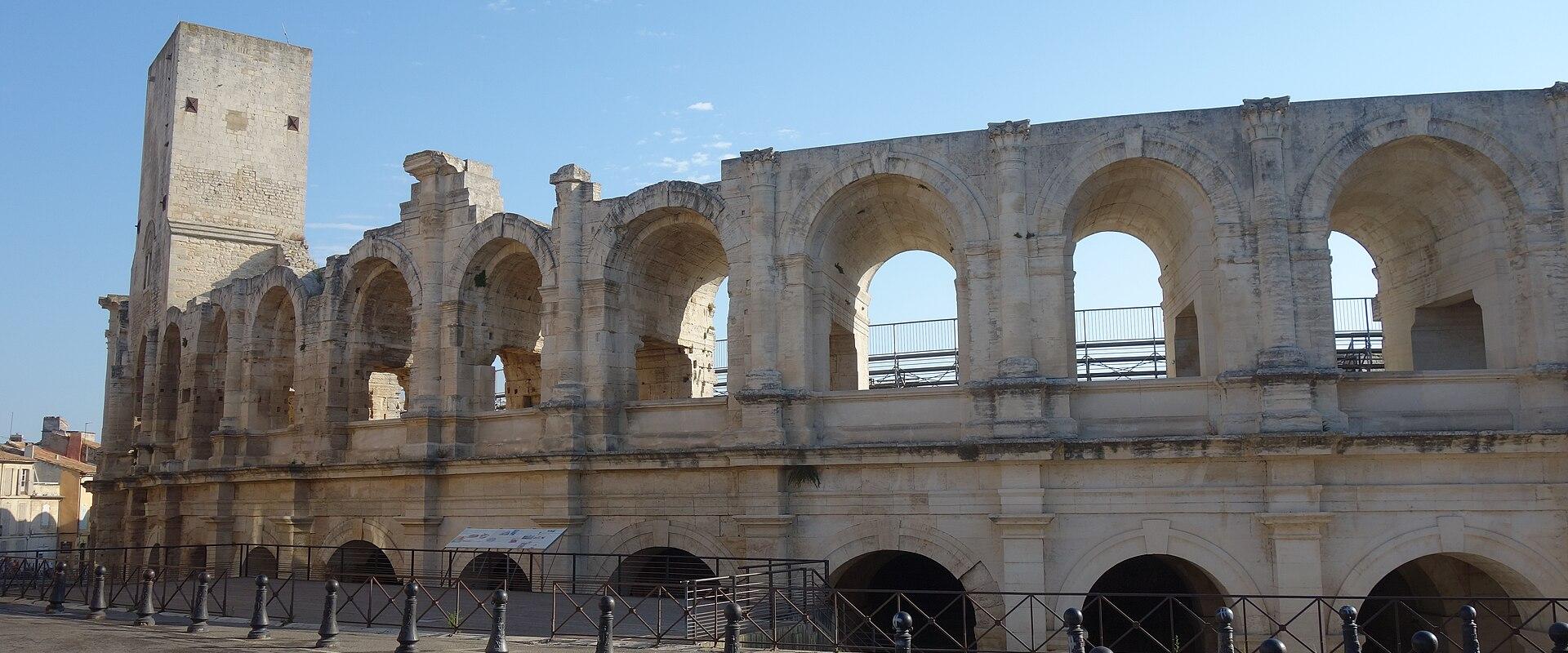
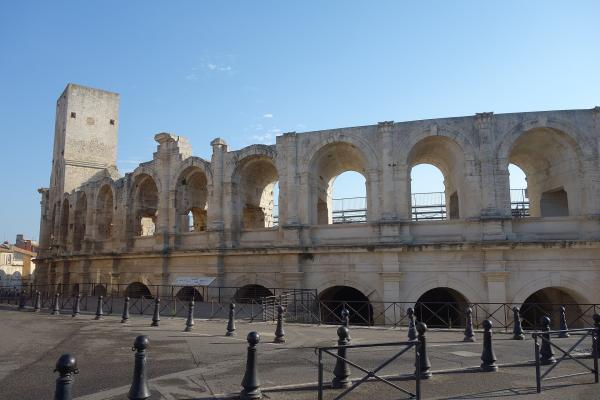
The Arles Amphitheatre, known in French as the Arènes d'Arles, is a Roman arena from the late first century AD, a monument that is still used today for the purpose it was built for. It stands in the middle of the old town, on a rise overlooking the rooftops, and belongs to the group of Roman and Romanesque monuments of Arles that UNESCO inscribed on the World Heritage list in 1981. Arles was an important Roman city in Gaul, and the amphitheatre reflects its wealth and its taste for public spectacle.
The building is an oval about 136 metres long and just over 100 metres wide, built of large blocks of local limestone. Its outer wall has two tiers of arches, sixty on each level, in the same architectural scheme as the Colosseum in Rome, which it resembles in miniature. It could hold more than twenty thousand spectators, who reached their seats through an elaborate system of corridors and stairways, and the carefully planned entrances and exits allowed a crowd to enter and leave quickly. The arena hosted gladiator fights and animal hunts, as well as other public games.
After the end of the Roman Empire, the amphitheatre changed its role. In the Middle Ages it was transformed into a fortress, with towers added at the top of the walls, three of which survive, and inside the arena a small village grew up, with houses and a church that took the place of the games. This occupation lasted until the nineteenth century, when the buildings were cleared and the arena was restored to its ancient form. The towers are now a vantage point, and climbing them gives views of the town and the Rhône plain. The painter Vincent van Gogh, who lived in Arles in 1888, painted a scene of the arena with spectators, and the bullring continues to be a central place of local life.
Today the amphitheatre hosts bullfights, mainly in the traditional Provençal and Camargue forms, where the bull is not killed, as well as Spanish-style corridas during the Féria d'Arles at Easter and in September, and concerts and shows. Dates affect access to the arena, so check the programme before you go. The monument can be explored with a ticket that also includes other sites, and it is best visited in the morning, before the heat.
The amphitheatre suits those interested in Roman history, architecture and the traditions of southern France. It is close to the Théâtre Antique, the Church of St. Trophime and the Musée Réattu, so it is easily combined in a day of walking in Arles.
Categories
More photos coming soon
Nearby Attractions
Other places to visit in Arles
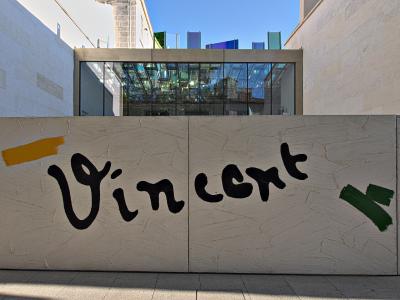
Van Gogh Foundation (Fondation Van Gogh Arles)
Van Gogh’s Arles home hosting contemporary art
From €8 Art Museums · Cultural Centers
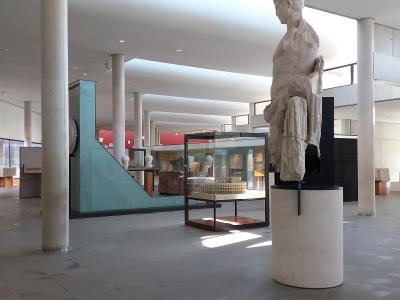
Arles Antique Museum (Musée Départemental Arles Antique)
Roman antiquities museum housing the oldest bust of Juliu...
From €5 Heritage Trails · History Museums
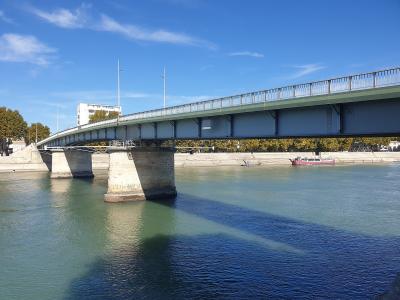
Pont de Trinquetaille
19th-century metal bridge with Van Gogh stairs
Bridges · Heritage Trails
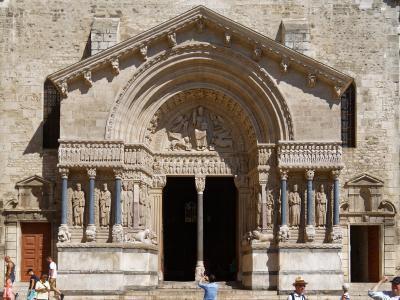
Church of St. Trophime
12th-century Romanesque cathedral with UNESCO-listed Last...
Historic Architecture · Museums & Culture
Questions people ask
Quick Facts
Best Time to Visit
April to June and September to October offer mild weather and fewer crowds for optimal exploration.