







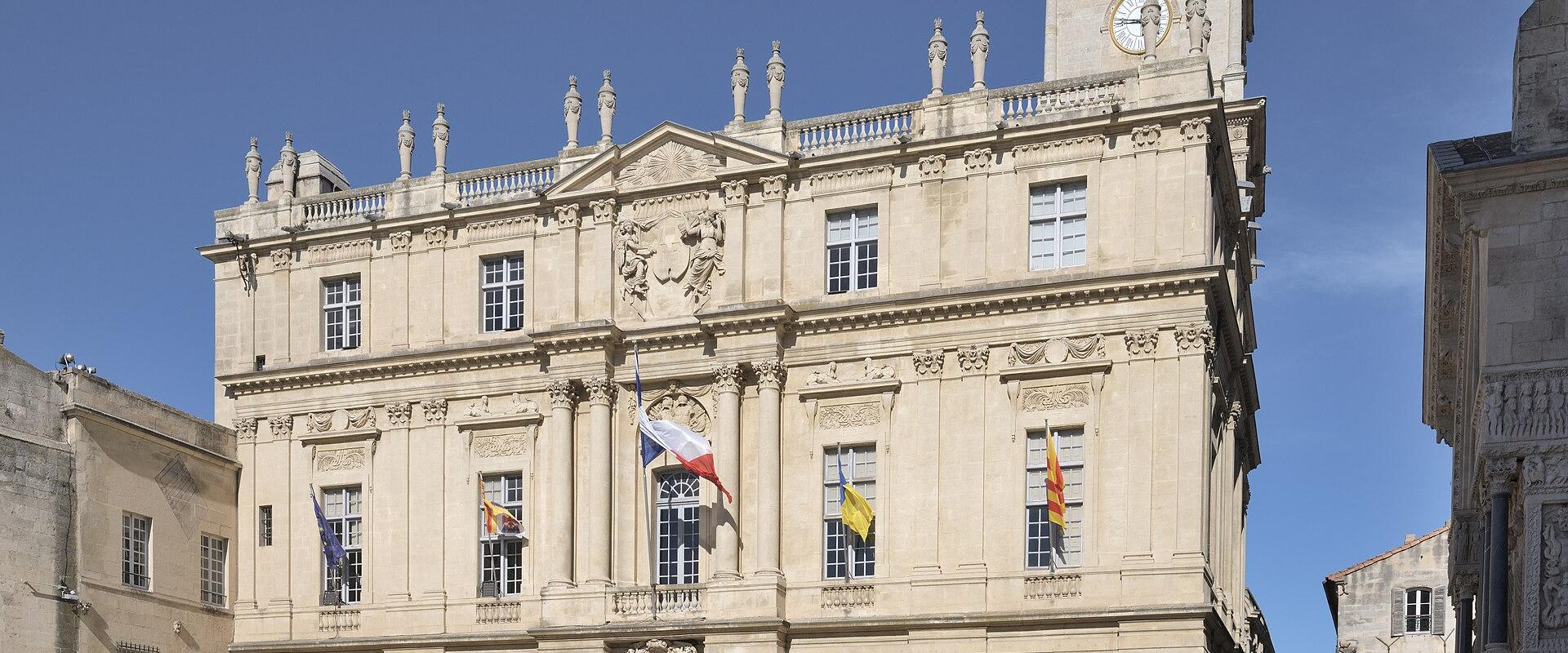
Arles, situated in the Bouches-du-Rhône department of southern France, is a city of profound historical and cultural significance. Located on the banks of the Rhône River, it was founded by Greek colonists from Massalia in the 6th century BC and later became a major Roman settlement known as Arelate. During the Roman Empire, Arles was one of the most important cities in Gaul, serving as a capital of the Western Roman Empire in the 4th century, in the time of Constantine, who built baths here. This rich history is evident in the numerous Roman monuments that dot the city, many of which are UNESCO World Heritage Sites. The most iconic of these is the Arles Amphitheater, a massive Roman arena built in the 1st century AD, which still hosts events today, including bullfights and the Easter and September ferias. Nearby, the Ancient Theater of Arles and the Cryptoporticus, a series of underground vaults, offer further insights into Roman engineering and urban planning. The Baths of Constantin, another key site, showcase the city's importance as a thermal spa destination in antiquity.
Beyond its Roman heritage, Arles is deeply connected to the art world through its association with Vincent van Gogh. Between February 1888 and May 1889, Van Gogh lived in Arles and produced over 300 artworks, including 'The Yellow House' and 'Starry Night Over the Rhône'. The Yellow House itself was destroyed in the Second World War, but the city celebrates this legacy through the Van Gogh Self-Guided Walking Tour, which allows visitors to follow in the artist's footsteps and see the landscapes that inspired him, and the Fondation Vincent van Gogh Arles shows contemporary art in dialogue with his work. The Musée Réattu houses a significant collection including works by Picasso and photography. The historic center, or Ville Haute, features the Cloître Saint-Trophime, a beautiful Romanesque cloister, and the Church of Saint-Trophime, with its intricate portal sculptures. The Alyscamps, an ancient necropolis, is another notable site, known for its tall trees and historical tombs. The Musée de l'Arles et de la Provence antiques, the Musée Départemental Arles Antique, holds mosaics and sculpture, and the Musée de l'Arlaten, known to local people as the Museon Arlaten, covers Provençal traditions, with the Musée de la Mode et du Costume as a smaller sister.
Arles is also a gateway to the Camargue, a unique natural region characterized by wetlands, salt marshes and wild horses and bulls. Visitors can explore the Camargue through 4x4 safaris, horseback riding or cycling, discovering its diverse wildlife and traditional farming practices. The city itself offers a lively atmosphere with markets, such as the Saturday market on the Boulevard des Lisses and the Wednesday market, along with the covered Les Halles and the Place de la République, where locals and visitors can sample fresh produce, local cheeses and Provençal specialties, including the dry sausage of Arles. The Festival of Arles, held annually, is a major event in the contemporary art world, featuring exhibitions, performances and installations, and it is best known as the Rencontres d'Arles. Additionally, the city hosts the Festival of Photography, further cementing its reputation as a cultural hub.
Getting to Arles is convenient via train, with regular services from Marseille, Avignon and other major cities in the region, and TGV trains from Paris take around four hours. The train station is located close to the city center, making it easily accessible. For those traveling by car, Arles is connected by the A9 and A54 motorways. The best time to visit is from April to June and September to October, when the weather is mild and pleasant, ideal for exploring the historic sites and the surrounding countryside. July and August are hot and busy, with temperatures often exceeding 30°C, making outdoor activities challenging during the peak of the day. Spring and autumn offer milder weather and fewer crowds, making them suitable for sightseeing and walking tours. Winter is cooler and quieter, offering a serene atmosphere for indoor museum visits.
Best time to visit
April to June and September to October offer mild weather and fewer crowds for optimal exploration.
What to see in Arles
Our picks first.
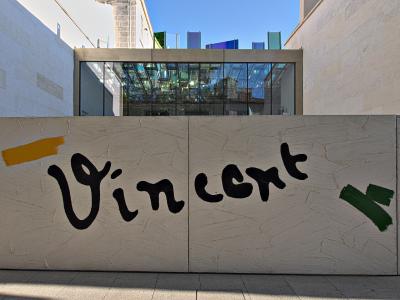
Van Gogh Foundation (Fondation Van Gogh Arles)
Van Gogh’s Arles home hosting contemporary art
From €8 Art Museums · Cultural Centers
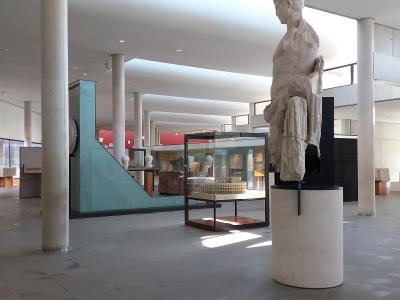
Arles Antique Museum (Musée Départemental Arles Antique)
Roman antiquities museum housing the oldest bust of Juliu...
From €5 Heritage Trails · History Museums
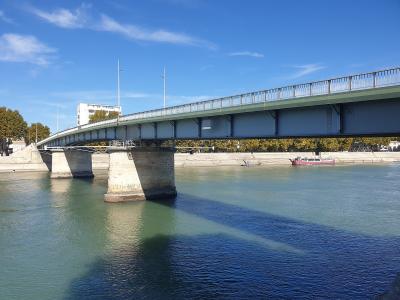
Pont de Trinquetaille
19th-century metal bridge with Van Gogh stairs
Bridges · Heritage Trails
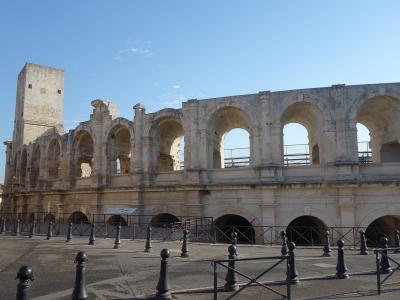
Arles Amphitheatre
UNESCO Roman amphitheatre hosting bullfights
Architectural Landmarks · History Museums
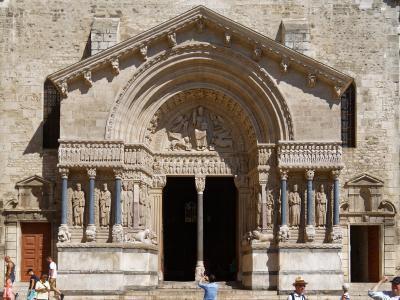
Church of St. Trophime
12th-century Romanesque cathedral with UNESCO-listed Last...
Historic Architecture · Museums & Culture
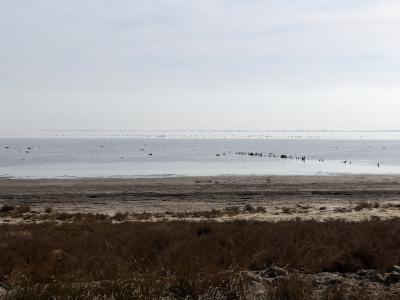
Camargue Regional Natural Park
Vast delta wetlands in southern France
National Parks · Rivers & Lakes
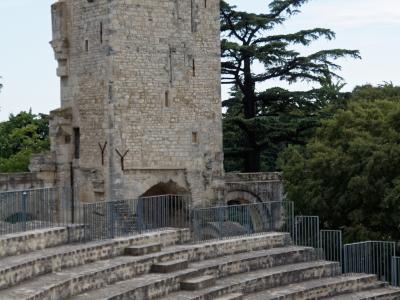
Théâtre Antique d'Arles
1st-century Roman theater, UNESCO World Heritage Site
Free Architectural Landmarks · History Museums
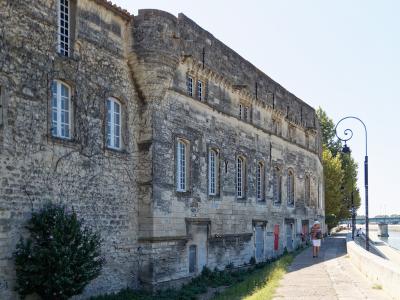
Musée Réattu
Picasso drawings and photography in a historic Priory
Historic Architecture · Museums & Culture
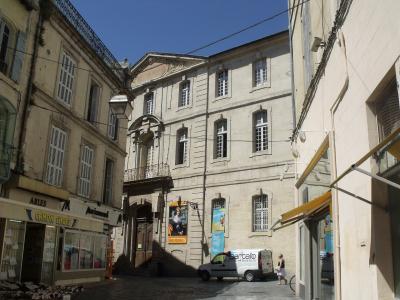
Musée de l'Arlesienne
Museum of modern and contemporary art
Museums & Culture
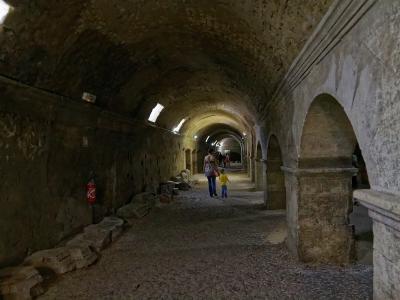
Cryptoportique
UNESCO-listed Roman underground vaulted galleries
Historic Architecture · Museums & Culture
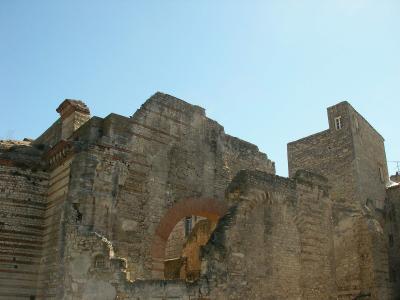
Thermes de l'Arles Antique
4th-century Roman baths with hypocaust heating
Historic Architecture · Museums & Culture
Arles by interest
The same sights, grouped by what you came for.
Did you know?
Checked facts about Arles, each with its source.
-
Film & TV
Ronin's Arles Shootout Scene
The 1998 film 'Ronin' was filmed on location in Arles, specifically utilizing the Arènes d'Arles (the Roman amphitheatre) for its exterior shots, including a notable shootout sequence.
Source: filmobrivion.com
Planning a visit to Arles
Good to know
- Currency
- EUR
- Language
- French
Quick Facts
Book your stay
Questions people ask
More places in Provence-Alpes-Côte d'Azur
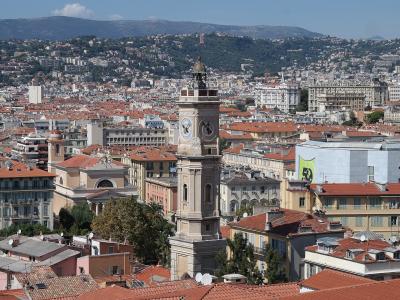
Provence-Alpes-Côte d'Azur
Nice
Capital of the French Riviera with Promenade des Anglais
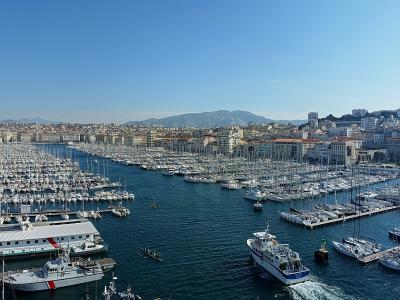
Provence-Alpes-Côte d'Azur
Marseille
France's oldest city and largest Mediterranean port
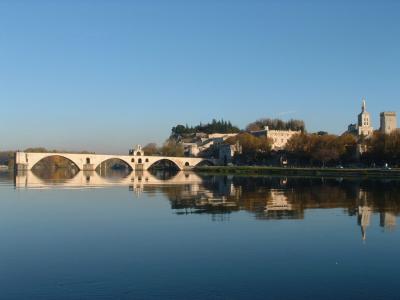
Provence-Alpes-Côte d'Azur
Avignon
The walled city of the popes on the Rhône, home of a world-famous theatre festival
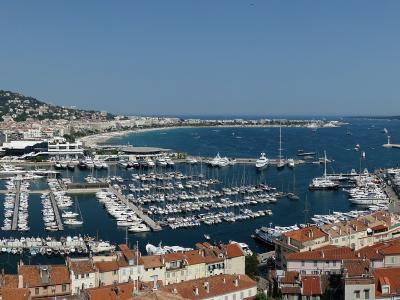
Provence-Alpes-Côte d'Azur
Cannes
Riviera glamour on La Croisette, home of the world's most famous film festival