Camargue Regional Natural Park
Vast delta wetlands in southern France
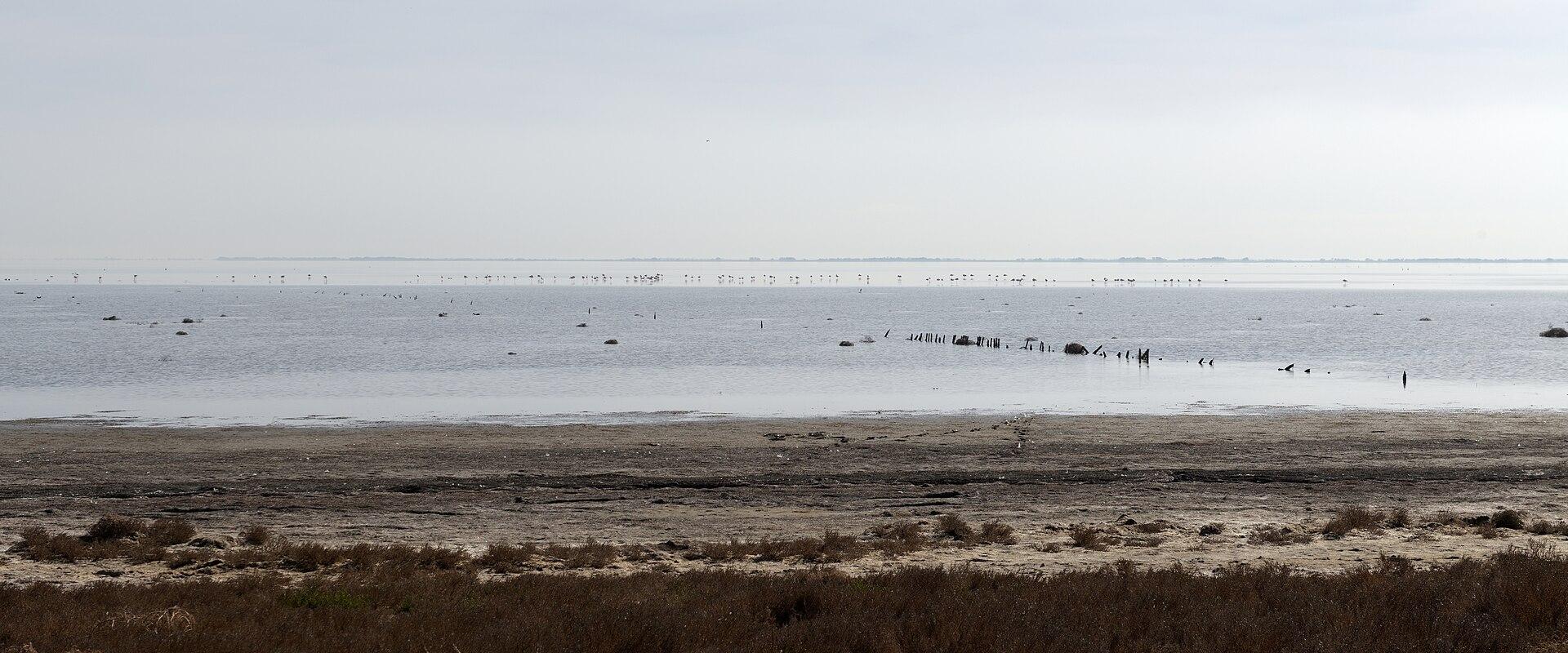
The Camargue Regional Natural Park, located just south of Arles, offers a unique and wild landscape that contrasts sharply with the surrounding agricultural plains. Established in 1970, this protected area spans 85,000 hectares, creating a unique ecosystem where the Rhône River meets the Mediterranean Sea. The landscape is characterized by its low elevation, with much of the land lying less than four meters above sea level. This unique geography creates a distinct environment of salt flats, marshlands, and wetlands, supported by a delicate ecological balance.
Visitors to the park can explore the area through designated trails and observation towers, which provide excellent vantage points for observing the local wildlife. The region is renowned for its rich biodiversity, including a wide variety of bird species, as well as the iconic black Camargue horses and the white Camargue bulls, which are integral to the local tradition of course camarguaise. The landscape is a mosaic of salt marshes (salins) and agricultural fields, shaped by historical interventions such as the construction of seawalls and embankments.
The park offers a serene and immersive experience, allowing visitors to appreciate the natural beauty of the delta. The flat terrain and open skies provide a sense of tranquility, while the diverse flora and fauna offer constant points of interest. The area is accessible to visitors, with well-maintained paths and viewing areas that allow for a close and respectful observation of the natural environment. The experience is one of peace and connection with nature, offering a unique perspective on the natural heritage of the region.
Categories
More photos coming soon
Hours & Fees
Hours
Information not provided in the source text.
Admission
Information not provided in the source text.
Nearby Attractions
Other places to visit in Arles
Frequently Asked Questions
Quick Facts
Best Time to Visit
April to June and September to October offer mild weather and fewer crowds for optimal exploration.