






Canal de la Robine
UNESCO-listed historic canal in Narbonne
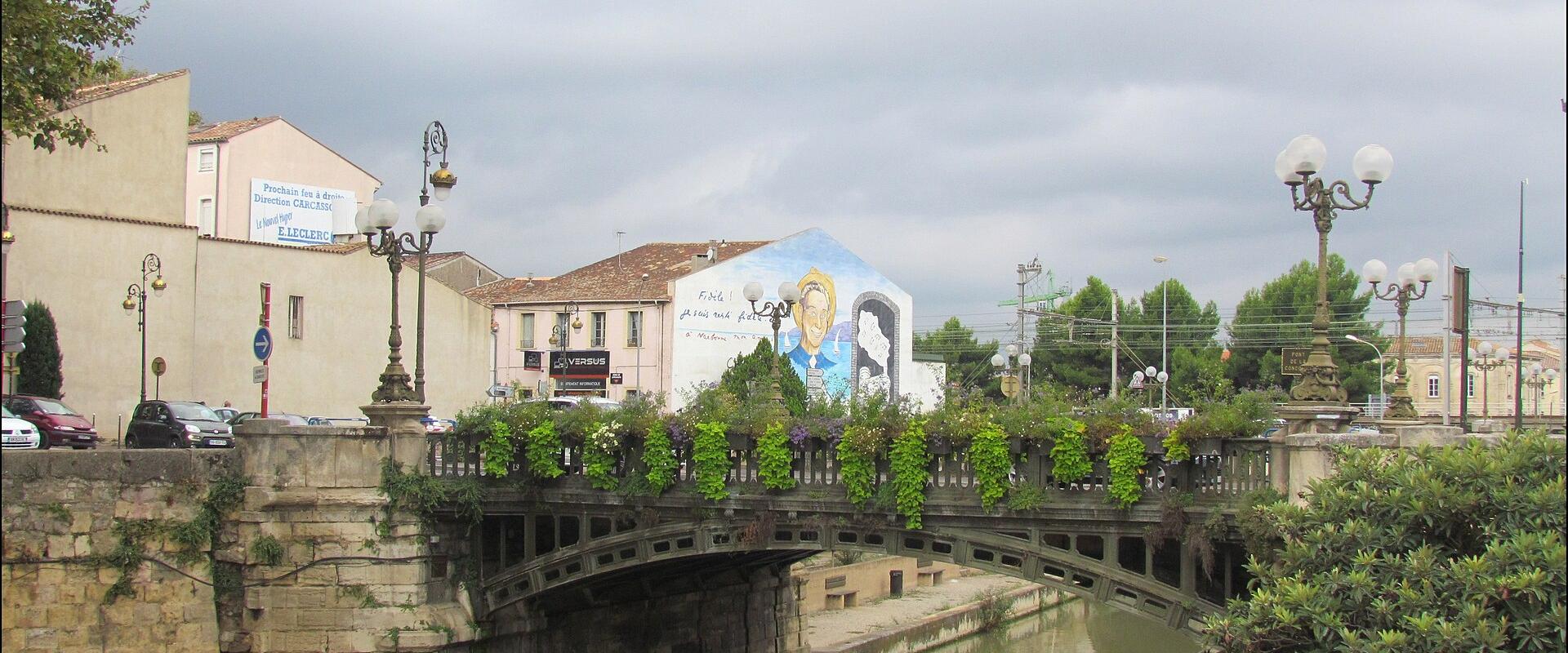
The Canal de la Robine in Narbonne is a historic waterway that serves as a vital link between the city and the UNESCO World Heritage-listed Canal du Midi. Originally the river Aude, the waterway became the Canal de la Robine after the river’s mouth shifted eastward following the fall of the Roman Empire. Narbonne’s strategic location at the crossroads of the Via Domitia and Via Aquitania, along with access to the Mediterranean, made it a major trade hub with ports that were among the most significant in the Roman Empire.
The canal provides a scenic route through the city, offering visitors a glimpse into its maritime and commercial history. A notable landmark along the canal is the Pont des Marchands, a bridge built in Roman times. Although it is currently closed to traffic due to fragility, the bridge remains a significant historic site. The Canal de la Robine and the Canal de Jonction are considered part of the Canal du Midi network, which was dug between 1666 and 1681.
While specific opening hours and admission fees are not detailed in the current research, the canal is accessible for walking and cycling along its banks. Visitors can enjoy the peaceful atmosphere and historical ambiance of the waterway. The area offers a unique perspective on Narbonne’s past as a center of trade and navigation. For those interested in boating, the canal connects to the broader network of waterways in the region. Exploring the Canal de la Robine allows travelers to appreciate the engineering and historical significance of this essential part of Narbonne’s heritage.
Categories
More photos coming soon
Frequently Asked Questions
Quick Facts
Best Time to Visit
April to June and September to October offer mild weather and fewer crowds for optimal exploration.