





Narbonne
Ancient Roman city with Gothic cathedral and canal network
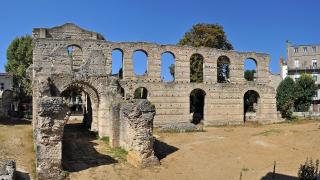
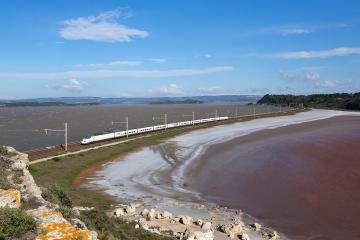
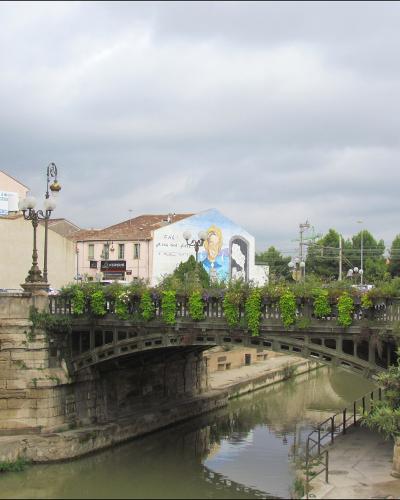
Narbonne, situated in the Aude department of the Occitanie region, is a city steeped in history and Mediterranean charm. Founded by the Romans in 118 BC as Narbo Martius, it was the first Roman colony in Gaul and served as a crucial hub for trade and administration. The city's strategic location near the Mediterranean made it a center of commerce, connecting Italy to the rest of Gaul. Although the coastline has shifted over centuries due to sedimentation, Narbonne remains connected to the sea via the Canal de la Robine, a waterway built in the 18th century to facilitate navigation. This canal network adds to the city's unique character, offering scenic routes for boating and cycling.
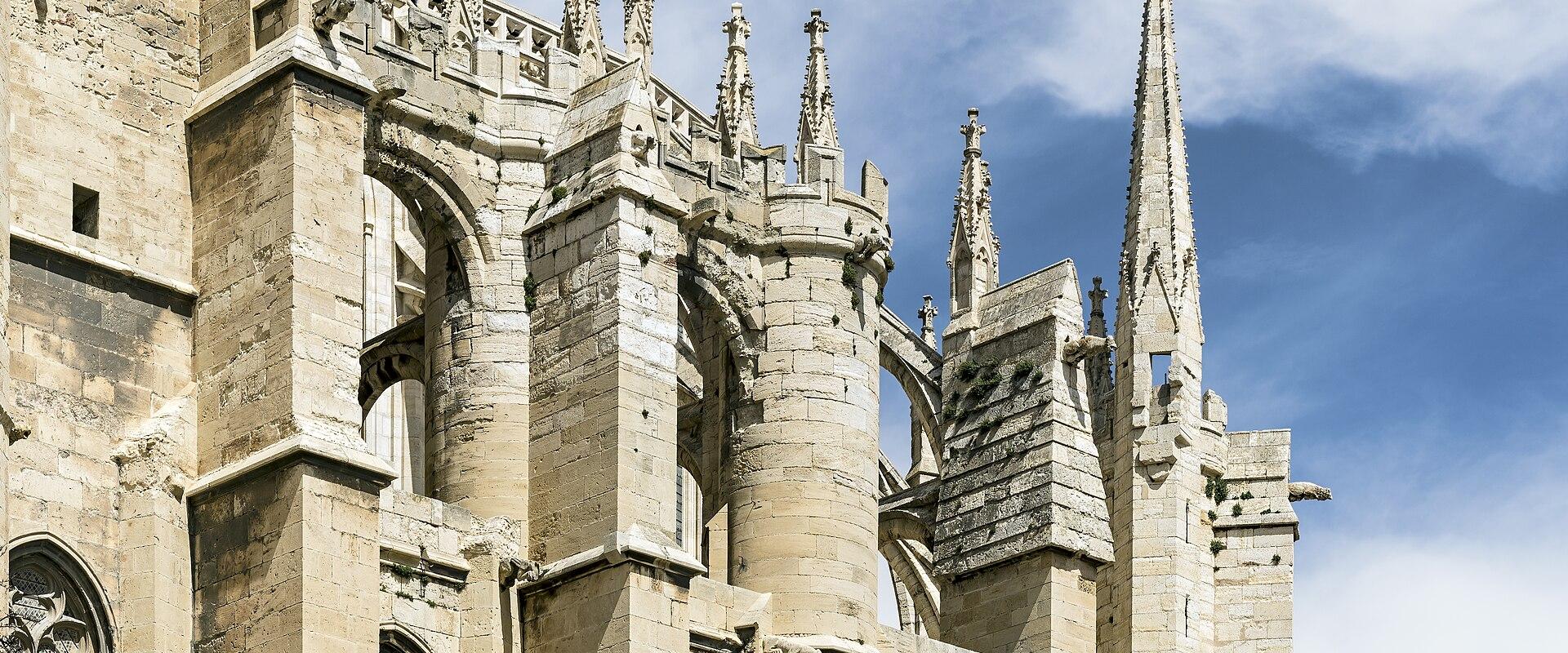
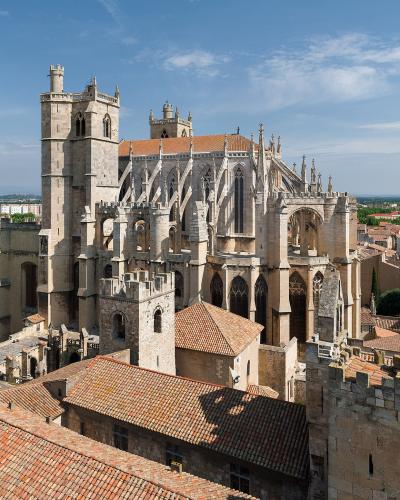
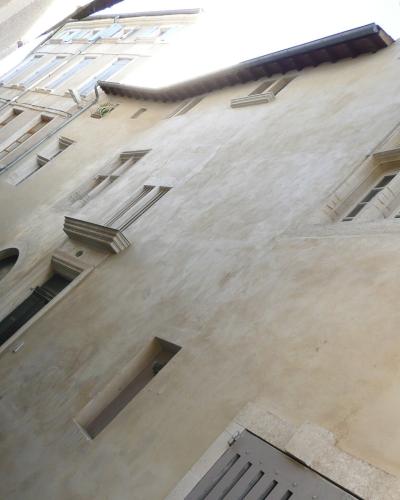
The architectural heritage of Narbonne is dominated by the Cathédrale Saint-Just-et-Saint-Pasteur, a masterpiece of Gothic architecture begun in the 13th century. Its towering spire and intricate façade are iconic symbols of the city. Nearby, the Palais des Archevêques, now housing the Narbo Via Museum, provides insight into the city's Roman past through extensive archaeological excavations and artifacts. The museum is built around the ruins of a Roman house, offering a tangible connection to the ancient world. The old town features narrow streets, historic mansions, and the Place de l'Hôtel de Ville, a lively square surrounded by cafes and restaurants. The Les Halles de Narbonne, a covered market, is a vibrant spot to sample local produce, cheeses, and wines.
Narbonne is also known for its proximity to the Abbaye de Fontfroide, a Cistercian abbey located just outside the city. Founded in the 11th century, the abbey is renowned for its serene cloisters and beautiful gardens. Visitors can explore the abbey and learn about its monastic history. The surrounding area offers opportunities for outdoor activities, including hiking and cycling along the Canal de la Robine. The Réserve Africaine de Sigean, a wildlife park located nearby, allows visitors to see African animals in semi-wild conditions, providing a unique educational experience. The Salin de l'île de la Madelaine, a salt marsh, offers birdwatching opportunities and insights into traditional salt production.
Getting to Narbonne is convenient via train, with regular services from Toulouse, Montpellier, and Barcelona. The train station is located in the city center, making it easily accessible. For those traveling by car, Narbonne is connected by the A9 motorway, known as the Autoroute du Soleil. The best time to visit Narbonne is from April to June and September to October, when the weather is mild and pleasant, ideal for walking and exploring. July and August are hot and crowded, but suitable for those seeking warm weather and beach activities. Spring offers blooming landscapes and fewer tourists, while autumn provides comfortable temperatures and harvest festivals. Narbonne combines historical significance, cultural richness, and natural beauty, making it a compelling destination for travelers interested in history, wine, and the Mediterranean lifestyle.
Best Time to Visit
April to June and September to October offer mild weather and fewer crowds for optimal exploration.
Did you know?
Interesting, verified facts about Narbonne
The Saracen Siege of 719
HistoryIn 719, the city of Narbonne was captured by Saracen forces, who occupied the town for several decades until 759. This period marked a significant shift in the region's political and cultural landscape during the early Middle Ages.
Source: external sourcePlan Your Visit to Narbonne
Essential travel tips and information for your trip to Narbonne.
Suggested Itineraries
One Day in Narbonne
1 dayPerfect for a quick visit. See the main highlights and get a taste of local culture.
Extended Narbonne Experience
2-3 daysComprehensive exploration including nearby attractions and cultural experiences.
Travel Tips
Currency
EUR • Cards widely accepted
Language
French • English in tourist areas
WiFi
Free WiFi in cafes and hotels
Explore Narbonne by Interest
Discover attractions and experiences in Narbonne organized by your interests and travel preferences.


All attractions in Narbonne
Sorted by our recommendation score
Quick Facts
Book your stay
Frequently Asked Questions
More destinations in Languedoc-Roussillon
Explore other amazing places in the Languedoc-Roussillon region