







- Where
- Narbonne, Languedoc-Roussillon
- Directions
- Directions
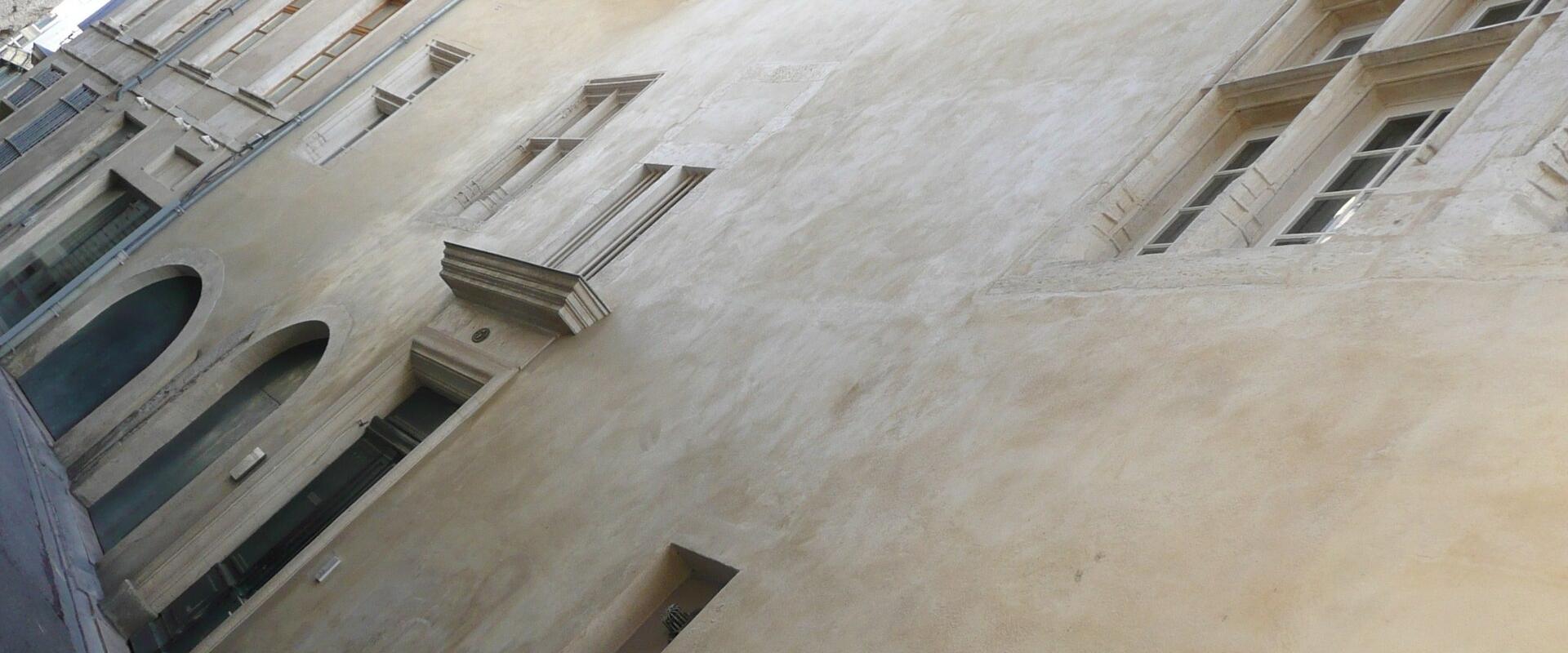
Narbonne, in the Aude, is one of the oldest cities in France, and it is a good place to explore on foot. It was the first Roman colony in Gaul, founded in 118 BC as Narbo Martius, and it became the capital of a large province and a major port on the Via Domitia, the road that linked Italy with Spain. Few details of the Hôtel de Bernis are documented, and the name seems to refer to a town house or a hotel in the historic centre, so this description concerns the setting and what a visitor will find within a short walk. If you are considering a stay at an establishment of this name, check availability and rates directly with the hotel.
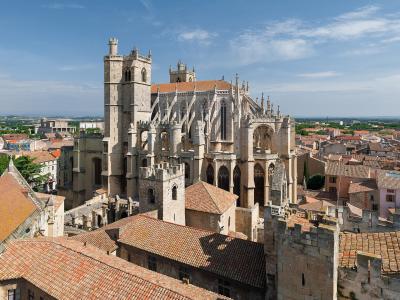
The centre of the old town is the Place de l'Hôtel de Ville, where a section of the Via Domitia, the original paved Roman road, has been uncovered and is displayed in the open air, with the large stone slabs and the wheel ruts still visible. On one side stands the Palais des Archevêques, the palace of the archbishops of Narbonne, a vast complex of towers and courtyards that combines the Gothic Palais Vieux and the Palais Neuf, with the town hall in one wing. The great tower, the Donjon Gilles-Aycelin, can be climbed for a view across the town and the plain to the Pyrenees. Next to the palace the Cathédrale Saint-Just-et-Saint-Pasteur is a spectacular unfinished Gothic building, begun in 1272 and planned to be on the scale of the great northern cathedrals. Only the choir was completed, but it rises to forty metres, one of the tallest in southern France, and the cloister beside it offers a quiet retreat.
The Roman past is visible underground. The Horreum, a network of galleries beneath the town, was a warehouse of the Roman period, and visitors can walk through the cool passages, which are among the best preserved in the Roman world. The town's museums hold mosaics, wall paintings and sculptures from Narbo Martius.
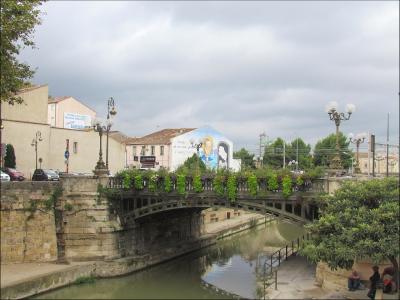
The canal is the second great feature of Narbonne. The Canal de la Robine, a branch of the Canal du Midi, flows through the centre of the town, lined with plane trees and quays, and is crossed by the Pont des Marchands, a medieval bridge with shops and houses built on it, which is rare in France. Barges and pleasure boats moor along the quays, and a stroll along the water is pleasant. The Halles de Narbonne, a covered market of 1901 in iron and glass, with a lively atmosphere, sells the produce of the region, from oysters and fish to cheese, olives and local wines, and it is a good place for lunch.
Narbonne lies near the Mediterranean coast, with beaches and the nature reserve of the Gruissan lagoons, and near the vineyards of the Corbières and the Minervois. The historic centre suits walkers, history lovers and travellers touring the Languedoc.
Categories
More photos coming soon
Questions people ask
Quick Facts
Best Time to Visit
April to June and September to October offer mild weather and fewer crowds for optimal exploration.