







- Hours
- Contact local partners for specific opening times.
- Where
- Carcassonne, Midi-Pyrénées
- Directions
- Directions
Carcassonne sits at the meeting point of several wine regions of the Languedoc, and its wine cellars are not a single monument but a loose network of cooperative cellars, family estates and shops in and around the town. Visitors who come for the medieval Cité often find that a tasting is the perfect complement, since the vineyards begin almost at the walls and the local producers are used to receiving walkers, cyclists and cruising boaters from the Canal du Midi. The cellars range from large modern cooperatives to small domaines where the winemaker pours the wine in person.
The landscape around the town is a patchwork of vineyards, garrigue and hills. To the north, on the slopes of the Montagne Noire, lies the appellation of Cabardès, which is one of the few in France that blends grape varieties from two climates: Merlot, Cabernet Sauvignon and Cabernet Franc, typical of Bordeaux, with Syrah, Grenache and Cot, typical of the Mediterranean. The cooler Atlantic influence reaches the area through the gap of Naurouze, and the warmer Mediterranean influence from the east, so the producers have the freedom to combine both, and the wines are often fruity, supple and balanced. East of Carcassonne lies the Minervois, with its terraced hillsides and wines of Syrah, Grenache and Carignan, and to the south-east the vast Corbières, an area of rugged hills and old vines producing powerful reds, as well as whites and rosés.
To the south, around the town of Limoux, about twenty-five kilometres from Carcassonne, a very different tradition exists. The Blanquette de Limoux, a sparkling wine made mainly from the local Mauzac grape, claims to be the oldest sparkling wine in the world, with monks of the abbey of Saint-Hilaire said to have produced it in the sixteenth century, long before Champagne. Crémant de Limoux and still Chardonnay from the area are also well regarded. A tasting trip to Limoux makes a pleasant excursion, and many estates welcome visitors.
Tastings in the region are generally relaxed and friendly. Cellar doors often open during the day, and some close at lunchtime, on Sundays or outside the main season, so it is best to check or call ahead, particularly for small estates that welcome visitors by appointment. Some offer a light lunch of local products, such as cassoulet, the hearty bean and sausage stew for which Carcassonne and the neighbouring towns of Castelnaudary and Toulouse are famous, or platters of charcuterie and cheese, and several organise guided walks through the vines. In the old town, wine shops sell bottles from many local producers and can advise on choices.
The wine country is also a way to see the landscape of Cathar country, with its hilltop castles and villages. The Canal du Midi, a World Heritage Site, passes through Carcassonne, and cycling along the towpath to nearby estates is a pleasure in spring and autumn. The Cité de Carcassonne, the Château Comtal and the Basilica of Saint-Nazaire are the main historic sights, and the Place Carnot and Les Halles in the lower town offer food and a lively market. Visitors who plan to taste several wines should arrange for a designated driver or a taxi, and consider buying a few bottles to take home.
Categories
More photos coming soon
Opening Hours
- Open
- Contact local partners for specific opening times.
Hours and prices change, especially out of season. Check with the venue before you go.
Nearby Attractions
Other places to visit in Carcassonne
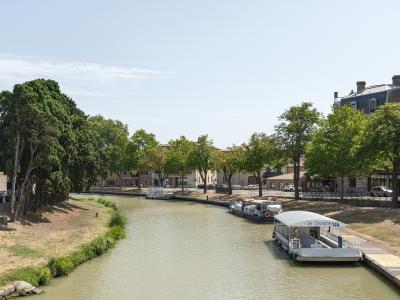
Canal du Midi
UNESCO site with Fresquel aqueduct and locks
Heritage Trails · Historic Towns
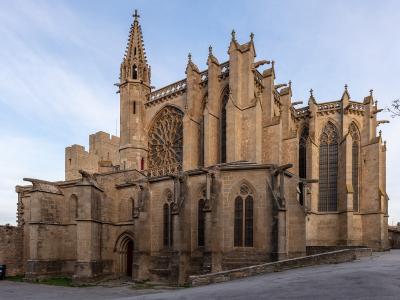
Basilica of Saint-Nazaire
Romanesque and Gothic basilica inside the Cité of Carcassonne
Free Churches · Heritage Trails
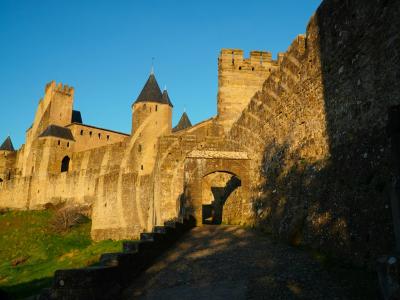
Cité de Carcassonne (The Medieval Fortress)
Double-walled medieval fortress in southern France
Fortresses · Heritage Trails
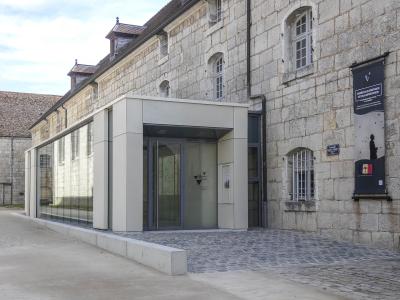
Musée de la Résistance et de la Déportation
Museum of Resistance and Deportation in Carcassonne
History Museums
Questions people ask
Quick Facts
Best Time to Visit
Early July to late August offers warm weather and ideal conditions for outdoor activities and sightseeing.