







- Admission
- Free
- Hours
- Accessible every day from January 1 to December 31, 2026
- Where
- Pau, Aquitaine
- Directions
- Directions
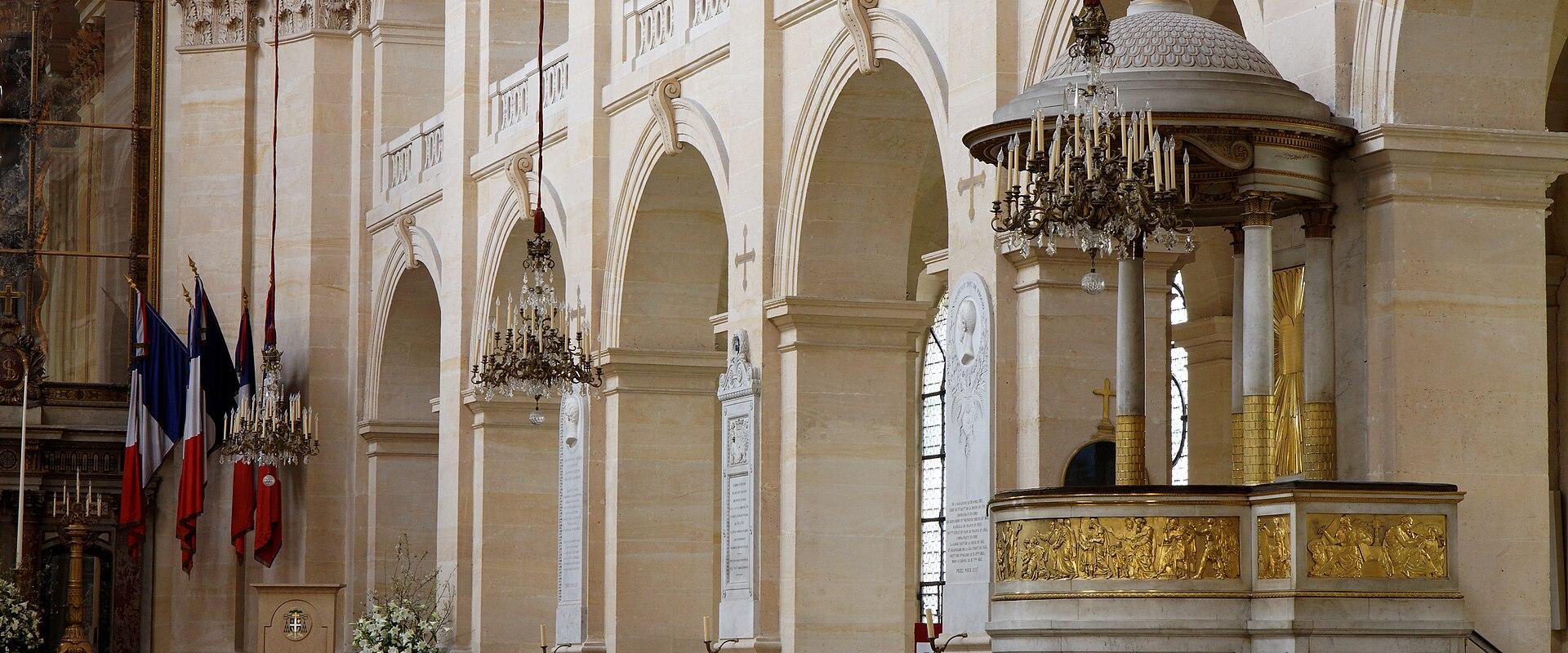
The church known as Saint-Louis in Pau is more correctly the Église Saint-Louis-de-Gonzague, and Pau, though a prefecture and the old capital of the province of Béarn, has no cathedral, since the bishop sits in the nearby town of Bayonne. The church stands on a quiet square in the historic centre, not far from the château, and it is a Catholic church in a Baroque style that has a long and mixed history. The building was started in the late seventeenth century, in the period when the Jesuits were setting up a college in the town, and it was completed only in the nineteenth century, so it took several generations and several religious orders, among them the Barnabites and the Benedictines, to bring it to its present form.
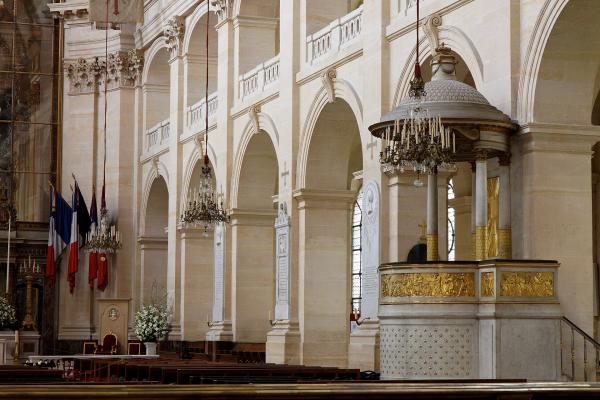
Saint Louis de Gonzague, or Aloysius Gonzaga, was an Italian Jesuit of the sixteenth century who died young while tending the sick during a plague and was later canonised, and the church takes his name from the Jesuit connection. Its interior is calm, with a nave and side chapels, decorated with altars and paintings in the Baroque taste, and visitors can go in freely every day, since there is no charge. It is not a major monument, but it offers a quiet pause in the old town, away from the main tourist routes, and the square outside is a pleasant spot with cafés and shops nearby.
Pau itself has plenty to see. The town is dominated by the Château de Pau, where Henri IV, the first Bourbon king of France, was born in 1553, and which houses a national museum with a great collection of tapestries and furniture. The Boulevard des Pyrénées, a long promenade along the edge of the plateau, offers a famous view of the range of the Pyrenees, with the peaks of the Pic du Midi d'Ossau and others on the horizon, which has delighted visitors since the nineteenth century, when Pau was a fashionable winter resort for the British and the Americans. The English introduced fox-hunting and the first golf course on the Continent here in 1856, and Pau was also the site of the first flying school in the world, set up by Wilbur Wright in 1909. A funicular links the railway station at the foot of the hill to the boulevard.
Food and wine are another attraction. Béarn cuisine includes garbure, a thick cabbage and meat soup, and poule au pot, the chicken pot that Henri IV wished for every peasant on Sundays, and the region produces the sweet and dry white wines of Jurançon, whose sweet wine is said to have been used to baptise the infant king, by rubbing his lips with it. The Musée des Beaux-Arts, the Musée du Vieux Pau, the Parc Beaumont, the Place du Palais and the Théâtre des Arts are all in the town.
The church is within walking distance of the main sights and can be visited in about twenty minutes. It suits those who like quiet churches and wish to see a less-visited corner of the town.
Categories
More photos coming soon
Hours & Fees
- Open
- Accessible every day from January 1 to December 31, 2026
- Admission
- Free
Hours and prices change, especially out of season. Check with the venue before you go.
Nearby Attractions
Other places to visit in Pau
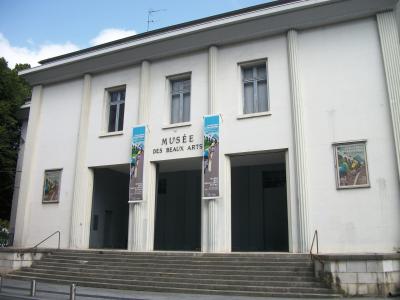
Musée des Beaux-Arts de Pau
19th-century French art in Art Deco building
Historic Architecture · Museums & Culture
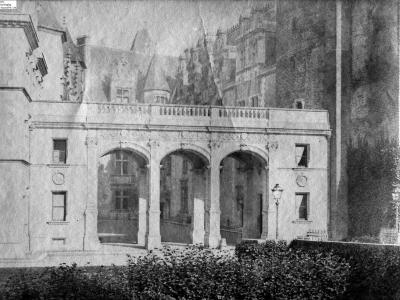
Musée du Vieux Pau
Birthplace of Henry IV in a 14th-century castle
Museums & Culture
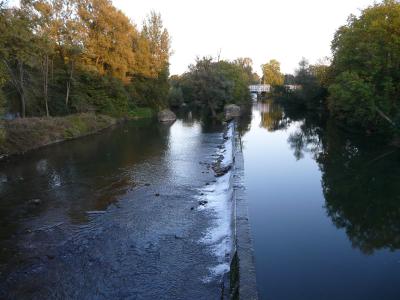
Gave de Pau Riverbanks
Scenic riverbanks along the Pyrenean Gave de Pau
Nature & Parks · Urban Exploration
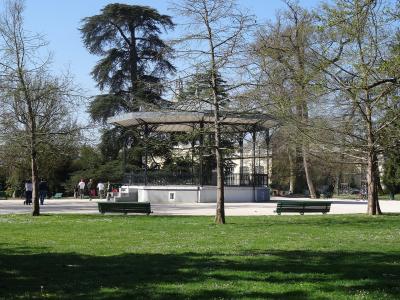
Parc Beaumont
Historic English-style park with century-old trees
Free Nature & Parks · Urban Exploration
Questions people ask
Quick Facts
Best Time to Visit
Mid-June to mid-September offers warm weather and ideal conditions for outdoor activities and sightseeing.