







- Admission
- Free admission
- Hours
- Open all year round, 7 days a week
- Where
- Pau, Aquitaine
- Directions
- Directions
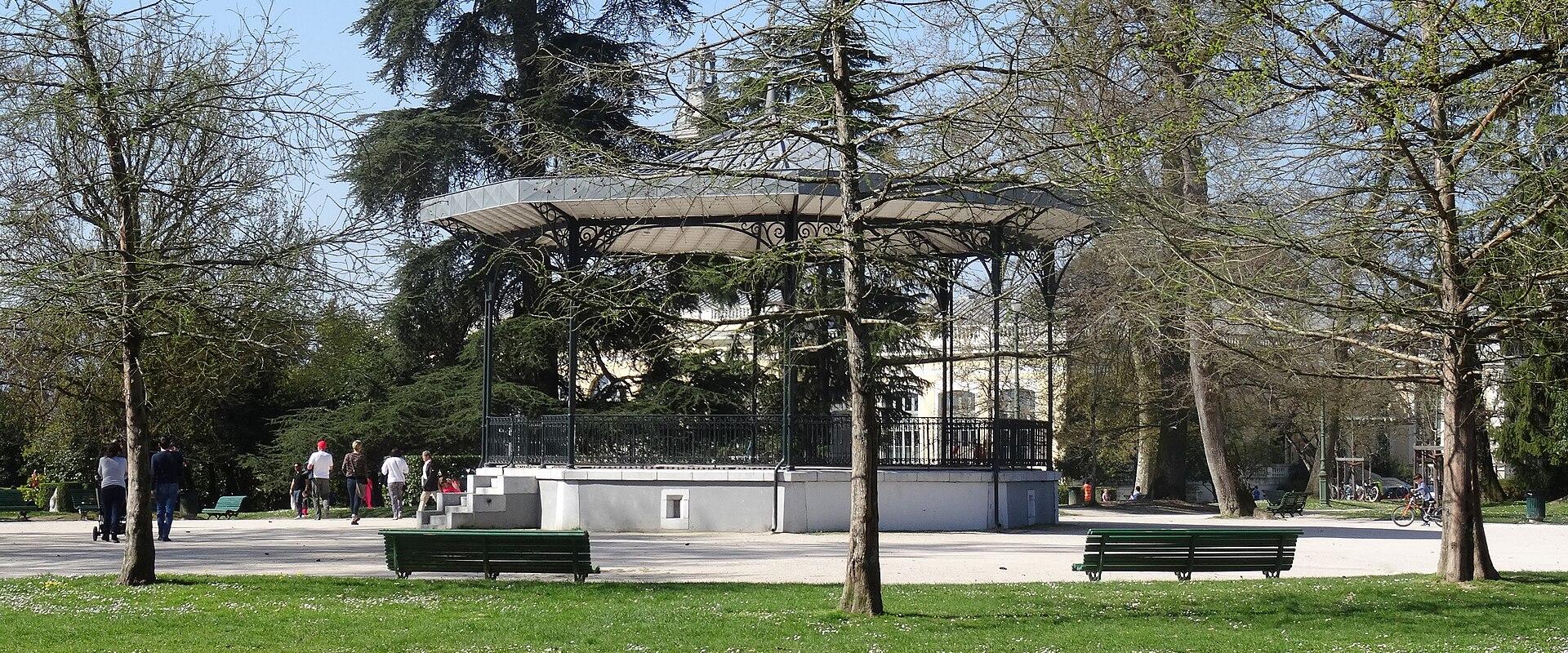
Parc Beaumont is the largest and best-loved park in Pau, a green space of English inspiration laid out in the late nineteenth century when the town was the favourite winter resort of British and other foreign visitors. It lies in the centre of the city, close to the Boulevard des Pyrénées, the famous promenade from which the whole chain of the Pyrenees can be seen on clear days, and it is the place where residents walk, jog, picnic and watch the seasons change. Admission is free and the park is open all year.
Pau's reputation as a resort began in the early nineteenth century, when British officers who had served in the Peninsular War spoke of the mild climate and fine mountain views, and doctors recommended the town's air to patients with chest ailments. By the middle of the century a large English colony had settled here, with villas, hotels, churches and clubs. The town claims the first golf course on the European continent, created in 1856, as well as fox hunting and other British pastimes. The English influence is reflected in the design of the Parc Beaumont, in which long lawns, winding paths and groves of specimen trees replace the formal geometry of a French garden.
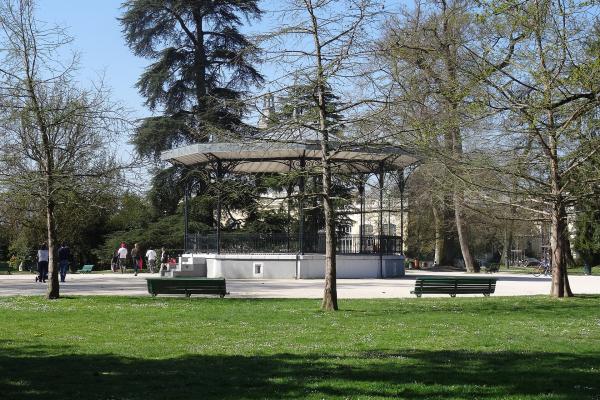
The park's trees are among its main attractions. In a city with a mild, damp climate, conifers and broadleaf species from around the world grew to great size, and the park holds mature specimens of sequoias, cedars, magnolias and other trees that have stood for well over a hundred years. Their shade makes a pleasant setting for a walk in summer. Paths radiate from the centre, converging at points where benches invite a pause, and ponds and a lake add water to the landscape. A section is devoted to plants of the Pyrenees, with alpine species gathered from the nearby mountains. A bandstand and a Théâtre de Verdure, an open-air theatre, host concerts and summer shows, and children can enjoy a play area.
At the edge of the park stands the Palais Beaumont, a large building from the early twentieth century built as a winter palace and casino for the resort's visitors, and now used for concerts, conferences and events. Its presence recalls the days when Pau's winter season attracted aristocrats, writers and sportsmen from across Europe. The park and palace together give a picture of how the town presented itself to visitors.
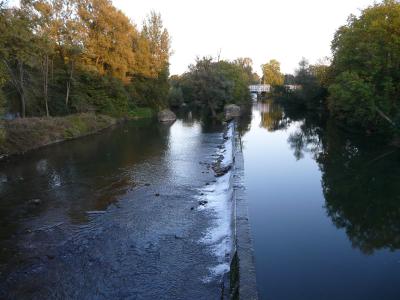
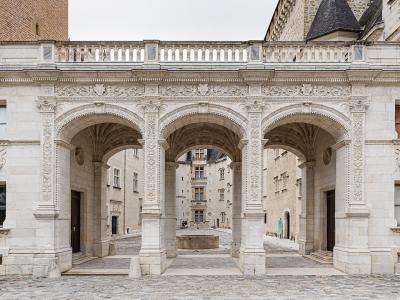
Pau offers other sights nearby. The Château de Pau, the birthplace of Henri IV, houses a fine collection of tapestries and furnishings, and its grounds and the Place du Palais are a short walk from the park. The Musée des Beaux-Arts, the Musée du Vieux Pau and the Cathédrale Saint-Louis add cultural interest, and the Gave de Pau riverbanks offer walks along the water. The Théâtre des Arts presents drama and music.
The park suits families, joggers, nature lovers and anyone wanting a restful break. Spring and autumn are especially attractive, with blossom and foliage colour, and views of the mountains are best on clear days after rain. Allow an hour or two, and combine it with the Boulevard des Pyrénées for the panorama.
Categories
More photos coming soon
Hours & Fees
- Open
- Open all year round, 7 days a week
- Admission
- Free admission
Hours and prices change, especially out of season. Check with the venue before you go.
Nearby Attractions
Other places to visit in Pau
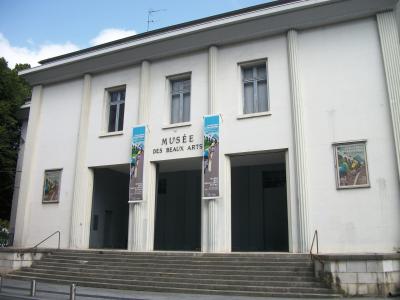
Musée des Beaux-Arts de Pau
19th-century French art in Art Deco building
Historic Architecture · Museums & Culture
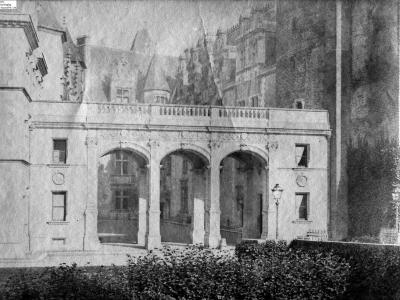
Musée du Vieux Pau
Birthplace of Henry IV in a 14th-century castle
Museums & Culture
Gave de Pau Riverbanks
Scenic riverbanks along the Pyrenean Gave de Pau
Nature & Parks · Urban Exploration
Château de Pau
Royal birthplace of Henry IV in a hilltop fortress
Castles · Gardens
Questions people ask
Quick Facts
Best Time to Visit
Mid-June to mid-September offers warm weather and ideal conditions for outdoor activities and sightseeing.