



Pau
Gateway to the Pyrenees with royal castle and sunny climate
Pau, situated in the Pyrénées-Atlantiques department of southwestern France, is a city with a profound historical and geographical identity. Historically, it was the capital of the County of Béarn and later the Kingdom of Navarre. The city gained prominence in the 16th century when Jeanne d'Albret made it her residence, and it became the birthplace of her son, Henry IV, in the Château de Pau. In the 19th century, Pau became a fashionable spa destination for European royalty and aristocracy, attracted by its mild climate and the therapeutic properties of the local waters. This era left a lasting architectural legacy, with grand hotels, villas, and the famous Boulevard des Pyrénées. The city also played a role in the French Resistance during World War II. Today, Pau is a dynamic university city and a hub for sports and tourism, particularly for those heading to the Pyrenees.
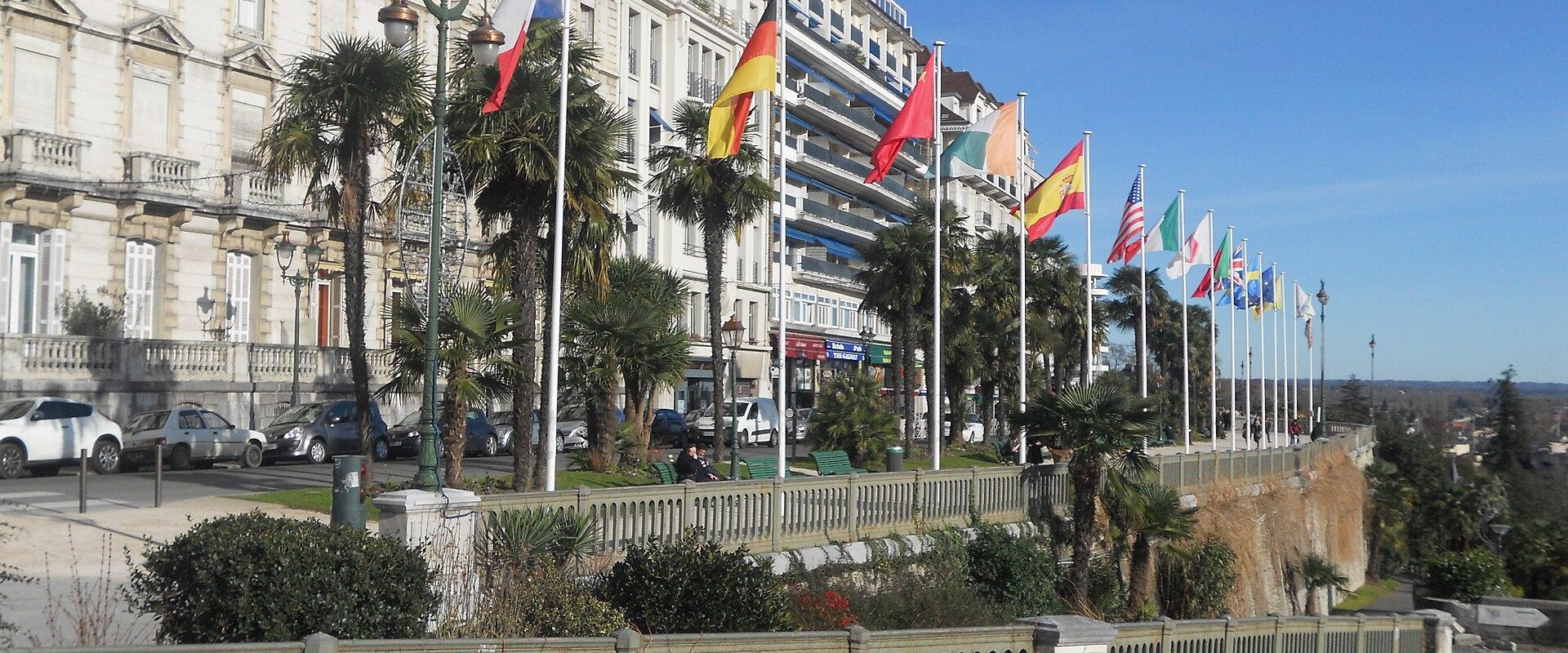
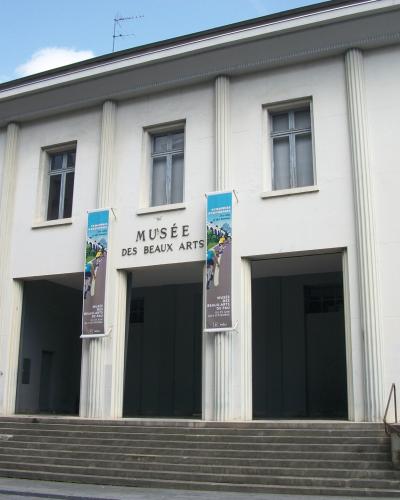
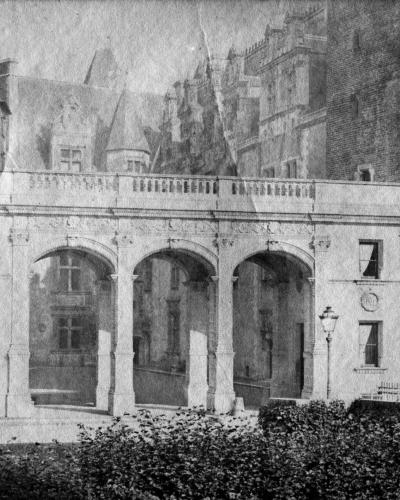
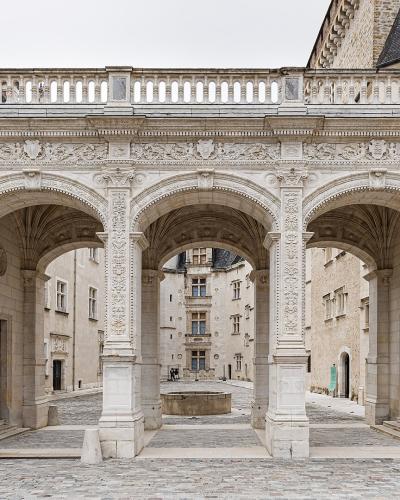
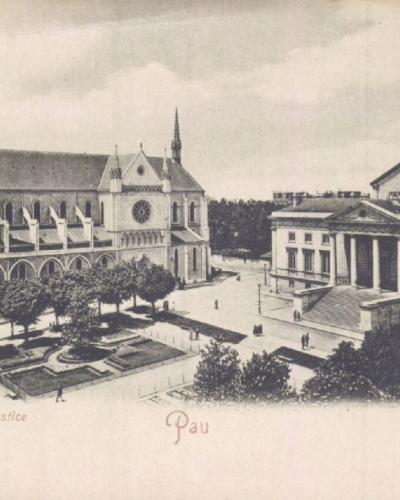
The main attractions in Pau reflect its royal and mountain heritage. The Château de Pau is the city's most iconic landmark, housing the National Museum of the Château de Pau, which displays artifacts related to Henry IV and Béarnese history. The Château's gardens offer views of the Pyrenees. The Boulevard des Pyrénées is a wide, tree-lined avenue lined with Belle Époque hotels and restaurants, offering stunning mountain views. The Cathédrale Sainte-Marie, a Gothic structure, is another significant religious site. The Musée des Beaux-Arts houses a collection of paintings and sculptures, including works by local artists. The Les Halles de Pau is a covered market where visitors can sample local products, including Jurançon wine and Ossau-Iraty cheese. The Gave de Pau river offers opportunities for walking and cycling along its banks.
Pau offers various activities for visitors interested in history, nature, and sports. The city is a starting point for hiking and climbing in the Pyrenees, with numerous trails accessible from the city center. The nearby Gorges du Gave de Pau offer dramatic scenery and hiking opportunities. The Pau Golf Club, founded in 1856, is one of the oldest golf clubs in France. The city also hosts the Pau Grand Prix, a historic motor racing event. The local cuisine features Béarnaise specialties, including confit de canard, gribiche sauce, and Jurançon wines. The surrounding region offers opportunities for skiing in the winter and hiking in the summer. The nearby town of Oloron-Sainte-Marie is known for its cathedral and Basque culture.
Getting to Pau is convenient via train, with TGV services connecting it to Paris and other major French cities. The train station is located in the city center, making it easily accessible. For those traveling by car, Pau is connected by the A64 motorway. The best time to visit Pau is from mid-June to mid-September, when the weather is warm and pleasant, ideal for exploring the outdoor attractions and hiking trails. July and August are the warmest months, with average highs around 26°C, but also the busiest. Spring and autumn offer milder weather and fewer crowds, making them suitable for sightseeing and wine tasting. Winter is mild but can be rainy, offering a serene atmosphere for indoor museum visits. Pau combines historical depth, natural beauty, and recreational opportunities, making it a compelling destination for travelers seeking a unique Pyrenean experience.
Best Time to Visit
Mid-June to mid-September offers warm weather and ideal conditions for outdoor activities and sightseeing.
Did you know?
Interesting, verified facts about Pau
Pau Has a Second Local Claim
HistoryKnown for its sunny climate and elegant 19th-century architecture, it serves as a gateway to the mountains and the Basque Country.
Source: Château de Pau - WikipediaPlan Your Visit to Pau
Essential travel tips and information for your trip to Pau.
Suggested Itineraries
One Day in Pau
1 dayPerfect for a quick visit. See the main highlights and get a taste of local culture.
Extended Pau Experience
2-3 daysComprehensive exploration including nearby attractions and cultural experiences.
Travel Tips
Currency
EUR • Cards widely accepted
Language
French • English in tourist areas
WiFi
Free WiFi in cafes and hotels
Explore Pau by Interest
Discover attractions and experiences in Pau organized by your interests and travel preferences.

All attractions in Pau
Sorted by our recommendation score
Quick Facts
Book your stay
Frequently Asked Questions
More destinations in Aquitaine
Explore other amazing places in the Aquitaine region