







- Admission
- €9 online, €10 at ticket office
- Hours
- Daily 10am-6:30pm (Apr-Sep); 1:30pm-6:30pm (Oct-Mar, closed Tue)
- Where
- Brest, Brittany
- Directions
- Directions
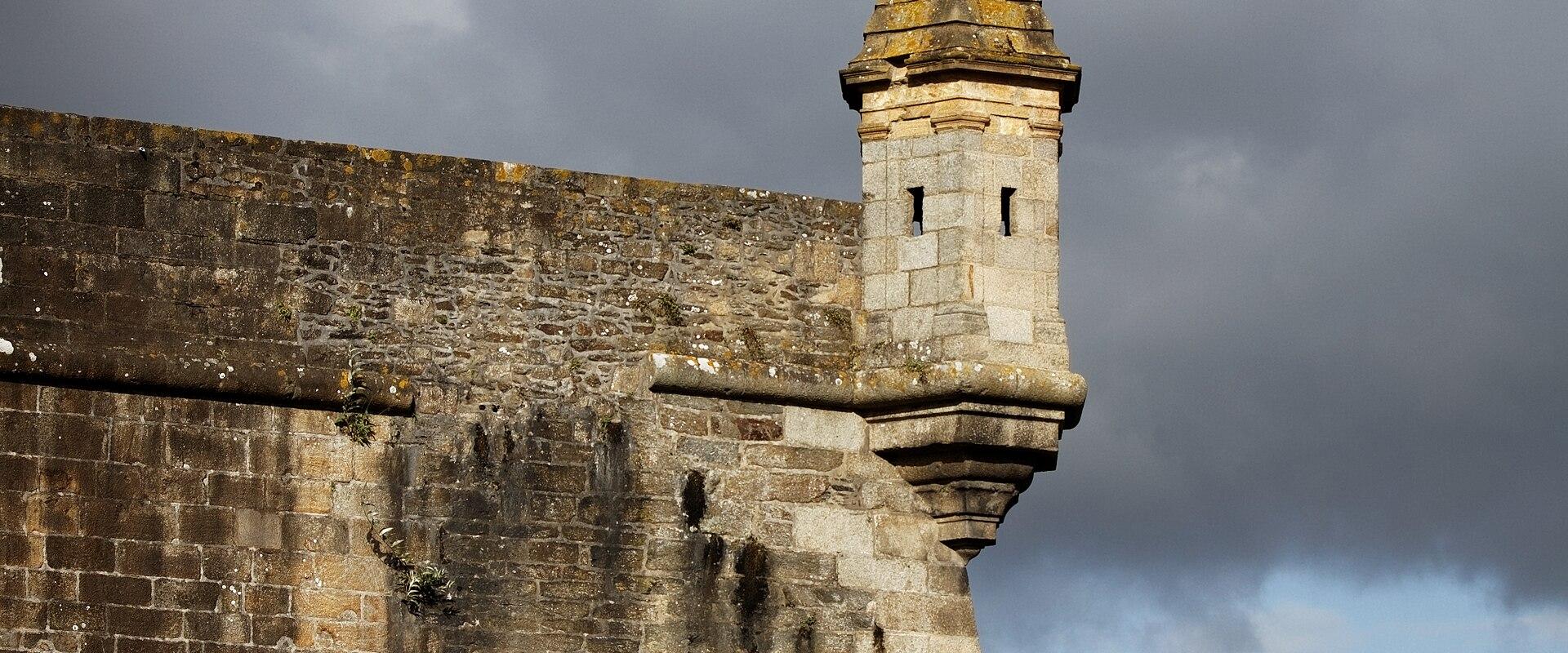
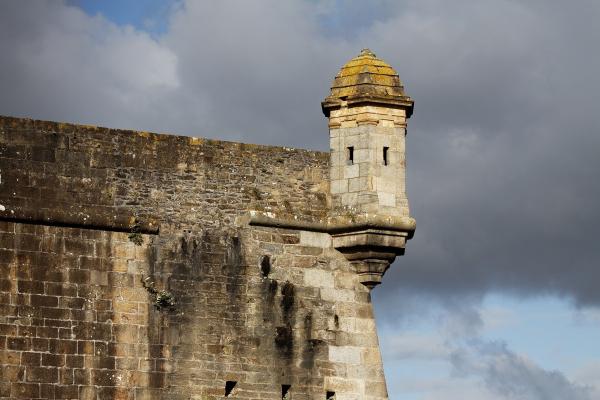
The Château de Brest guards the mouth of the Penfeld river, at the point where the harbour narrows and the naval arsenal begins. It is one of the oldest fortresses in France still used by the military, and it has been in service in some form for many centuries: the oldest walls rest on Roman defences, and medieval lords, English garrisons and the French crown each left their mark. In the seventeenth century the great military engineer Vauban strengthened the fortifications, adding the bastions that give the castle its present outline. The castle is also home to the maritime authorities responsible for the Atlantic coast, so part of it remains closed to the public.
The public section houses the Musée national de la Marine, one of the branches of France's national navy museum and the oldest museum in Brest. Its rooms trace the history of the Brest Arsenal and the French Navy, with ship models, paintings, navigation instruments, figureheads, furniture and other objects from the days of sail to the steam era. The scale models are the highlight for many visitors, as they show the details of rigging and armament that photographs rarely convey. Fifteen rooms cover the story, and the visit is organised around the arsenal that shaped the city's economy for centuries.
The building itself is part of the experience. You cross a drawbridge-like entrance, climb steps through the towers, and walk along the ramparts, where wide views open across the roadstead, the Pont de Recouvrance, the Penfeld and the working port. Across the river stands the Tour Tanguy, a medieval tower converted into a small museum about the city's past, which makes a good complement to the château. Because of the steps and the steep ground, access is hard for visitors with reduced mobility, and prams are difficult.
Brest was heavily damaged during the Second World War, and the château is among the few historic buildings that give a sense of the city before the destruction. Its position at the foot of the Cours Dajot, a long terraced promenade, makes it easy to include in a walk through the centre. The Port de Commerce is close by, and Océanopolis, the large marine centre, is a short distance away, so a day can combine the museum with sea life.
The château suits naval history enthusiasts, families with children who like castles and ramparts, and anyone who wants a view over one of France's major naval ports. Plan about two hours, longer if the weather is clear and you want to walk the walls.
Categories
More photos coming soon
Hours & Fees
- Open
- Daily 10am-6:30pm (Apr-Sep); 1:30pm-6:30pm (Oct-Mar, closed Tue)
- Admission
- €9 online, €10 at ticket office
Hours and prices change, especially out of season. Check with the venue before you go.
Nearby Attractions
Other places to visit in Brest

Océanopolis
Europe's largest open-air aquarium in Brest
From €24.90 Marine Parks · Natural History
Musée des Beaux-Arts de Brest
Brest's main art museum housing French and Italian old ma...
From €5 Art Museums

Le Conquet
Historic Breton port town
Harbors · Historic Towns
Citadelle de Brest
17th-century Vauban fortress in Brest
Fortresses · History Museums
Questions people ask
Quick Facts
Best Time to Visit
Late June to early September offers warm weather and ideal conditions for outdoor activities and sightseeing.