







- Where
- Brest, Brittany
- Directions
- Directions
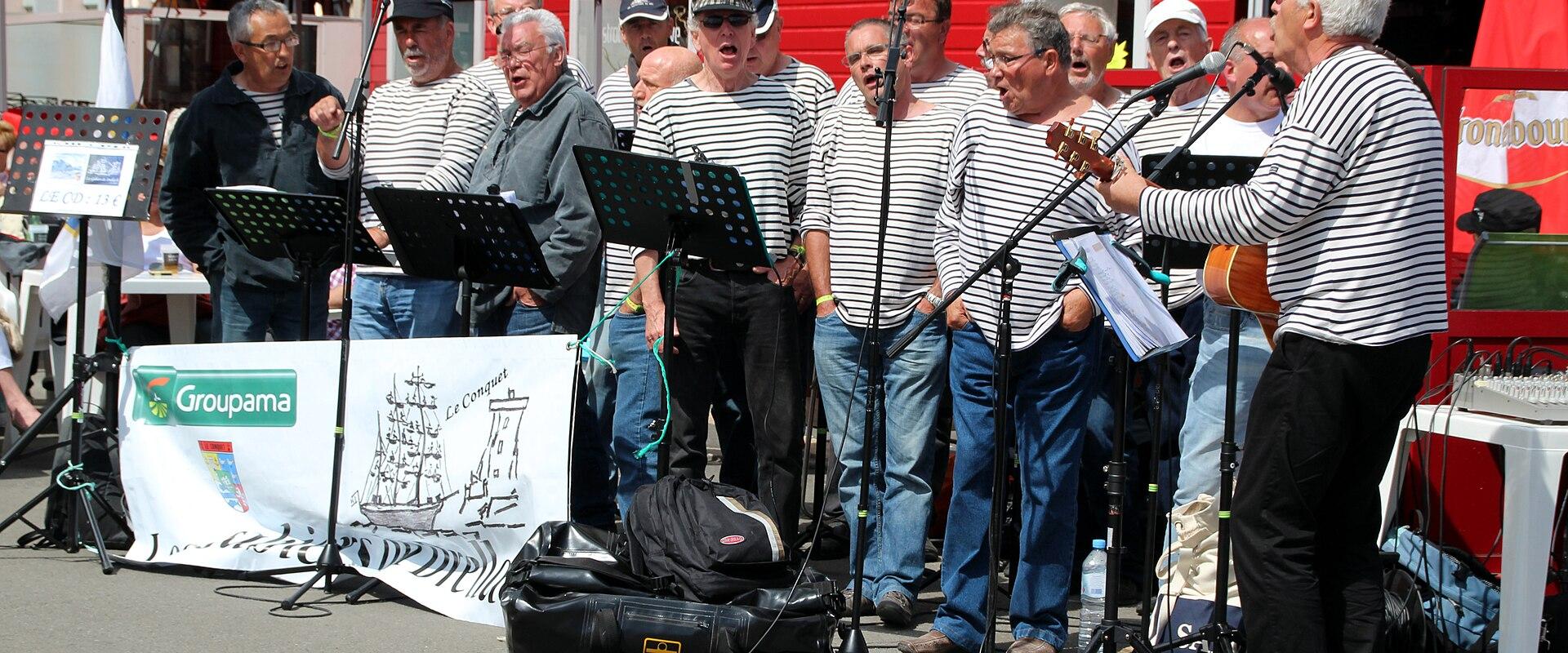
Le Conquet is a small fishing town on the western tip of Finistère, about twenty-five kilometres west of Brest, and it is the last port on the French mainland before the open Atlantic. The town stands at the edge of the Iroise Sea, a stretch of water full of islands, reefs and strong currents that is protected as a marine nature park. Its character is that of a working harbour, with fishing boats, lobster pots and ferries, and its narrow lanes of granite houses with slate roofs run down to the quay.
The harbour has a long history. Because of its position, the port has been a target of raids since the Middle Ages, and the town was burned by English forces in the sixteenth century. Its fortunes depended on fishing, particularly for spiny lobster, which made the port known along the French coast, and on its role as a point of departure for the islands. Today, ferries leave from the quay for the islands of Ouessant, the Ushant of the sailors, and Molène, both of which lie within sight of the mainland on a clear day. The crossing to Ouessant takes about an hour and a half, and many visitors go for a day, walking or cycling around the island and its wild cliffs. Passengers should book ahead in summer.
Around the town, the coast is a mixture of cliffs, rocky points and beaches. The peninsula of Kermorvan, reached by a narrow causeway, is topped by a small fort and a lighthouse and offers views of the islands, and the coastal path that follows the shore is popular with walkers. The beach of Les Blancs-Sablons, a long sweep of white sand, is a favourite with families and surfers. A few kilometres south, at the Pointe Saint-Mathieu, stand the ruins of a medieval abbey and a lighthouse side by side on the cliff, one of the most dramatic sights in Brittany, with a memorial to French sailors who died at sea. Sunsets here, with the sun dropping into the Atlantic, are memorable.
The town has its own church, an old and a newer building in the lanes close to the harbour, and a number of small shops, crêperies and restaurants that serve fish and shellfish, including lobster and scallops, as well as buckwheat galettes and cider. The weather is changeable and windy, so bring a jacket, and the best seasons for walking are late spring and early autumn, when the heather and gorse bloom. Brest, with its castle, its naval history and the Océanopolis aquarium, is the nearest city and is easily reached by road.
Le Conquet suits walkers, sailors, bird watchers and anyone who likes working ports and wild coastline, and it is a good base for exploring the far west of Brittany. Allow a morning for the town and its headland, or a day if you take the ferry to the islands.
Categories
More photos coming soon
Nearby Attractions
Other places to visit in Brest
Château de Brest
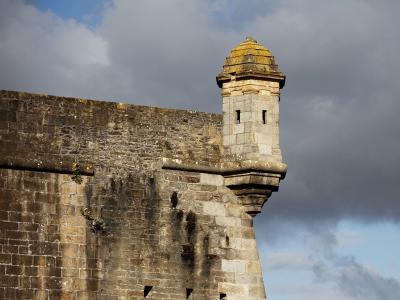
17th-century fortress housing the National Navy Museum
From €9 Castles · Harbors
Océanopolis
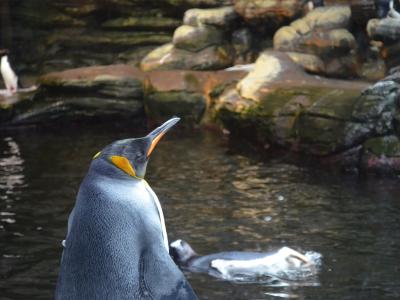
Europe's largest open-air aquarium in Brest
From €24.90 Marine Parks · Natural History
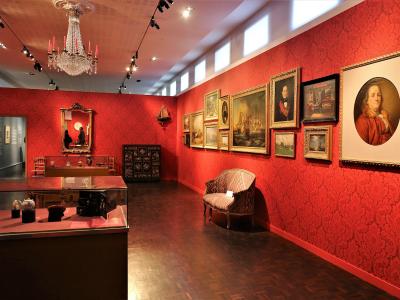
Musée des Beaux-Arts de Brest
Brest's main art museum housing French and Italian old ma...
From €5 Art Museums
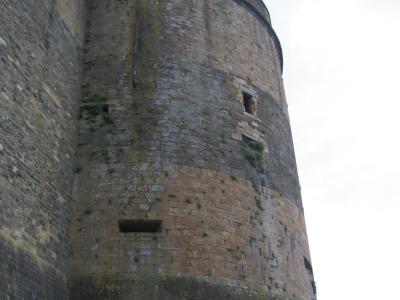
Citadelle de Brest
17th-century Vauban fortress in Brest
Fortresses · History Museums
Questions people ask
Quick Facts
Best Time to Visit
Late June to early September offers warm weather and ideal conditions for outdoor activities and sightseeing.