


Brest
Atlantic port city with maritime museums and modern architecture
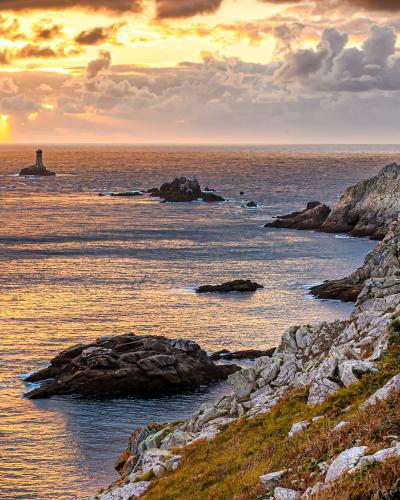
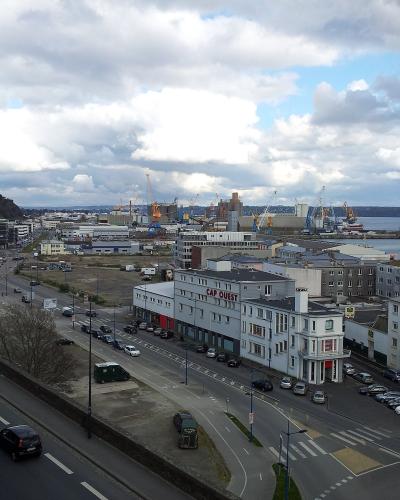
Brest, situated in the Finistère department of the Brittany region, is a city defined by its strategic location on the Atlantic coast and its deep connection to the sea. Historically, Brest was a crucial naval port for France, serving as a base for the French Navy since the 17th century. The city played a significant role in both World Wars, suffering extensive damage during World War II, particularly during the Battle of Brest in 1944. This destruction led to a post-war reconstruction that gave the city its distinct modernist architecture, characterized by wide avenues and functionalist buildings. Despite this, remnants of its medieval past remain, such as the Tour Tanguy, a 15th-century tower that is the oldest surviving building in the city.
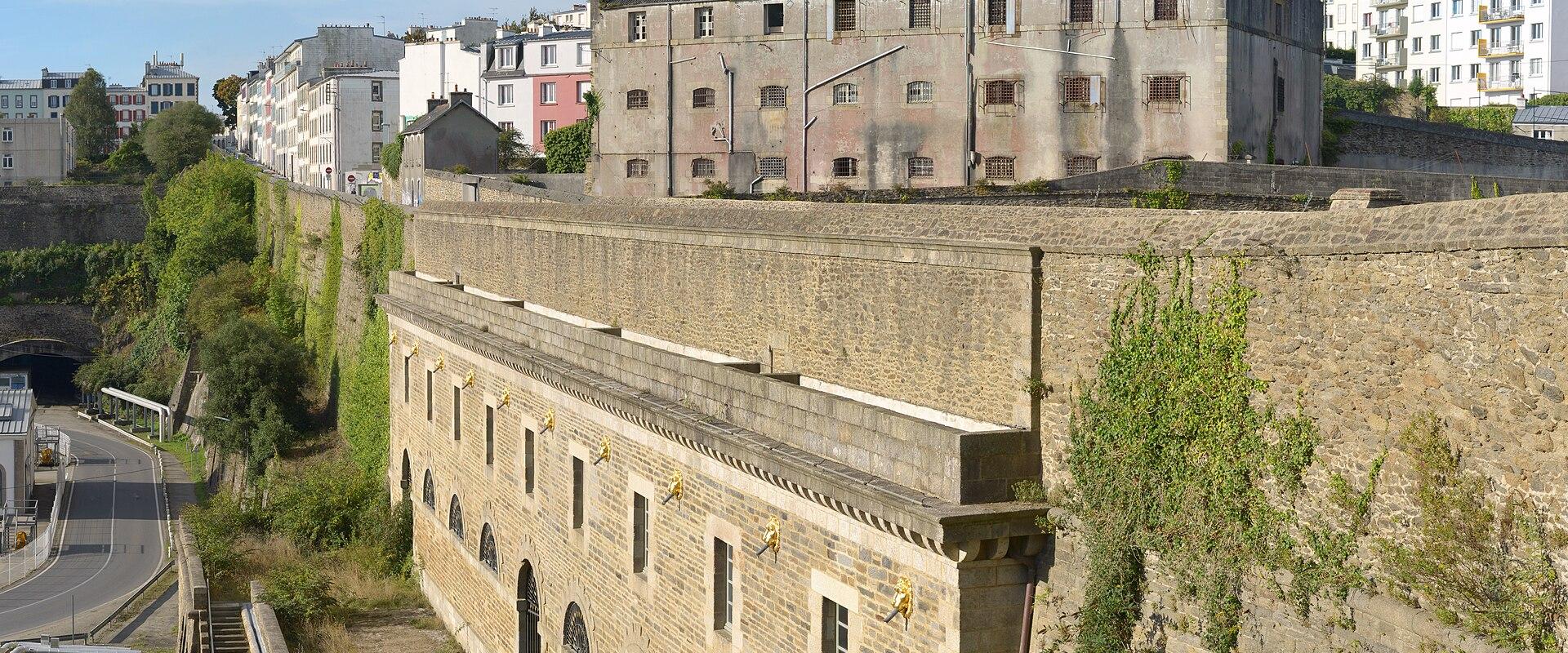
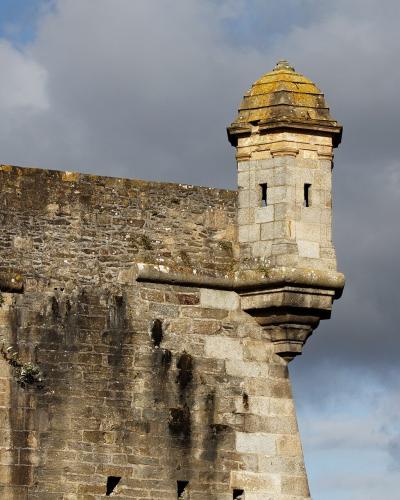
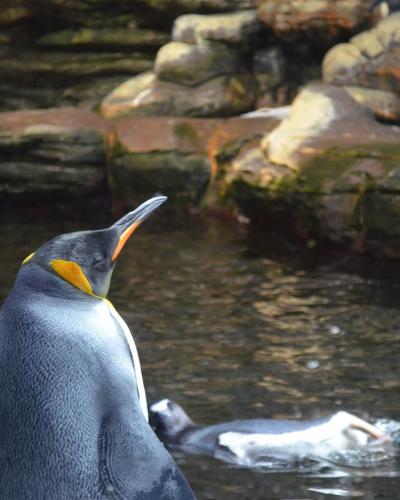
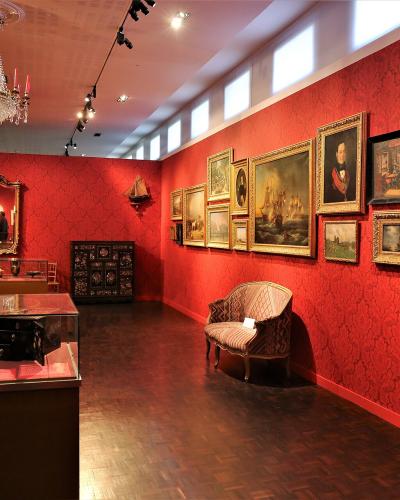
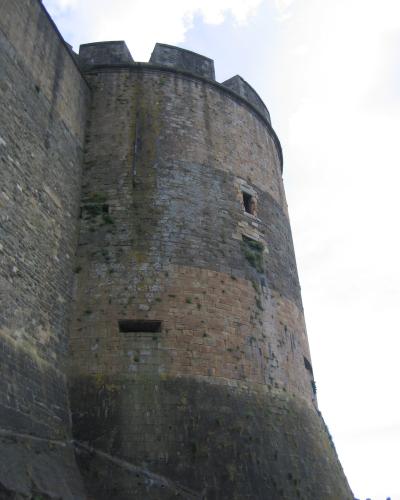
The main attractions in Brest reflect its maritime identity and modern cultural revival. The Château de Brest, a fortress built by Vauban, now houses the National Maritime Museum, which offers a comprehensive overview of naval history and the city's role in the French Navy. Oceanopolis, one of Europe's largest aquariums, features three main pavilions dedicated to polar, temperate, and tropical oceans, providing an immersive experience with diverse marine life. The Capucins district, located in the former naval shipyards, has been transformed into a vibrant cultural hub. It houses the Ateliers des Capucins, a center for contemporary art and design, and the Le Quartz, a large cultural center hosting concerts, theater, and exhibitions. The Jardin du Conservatoire Botanique National de Brest is a beautiful botanical garden showcasing plants from around the world, particularly those from maritime climates.
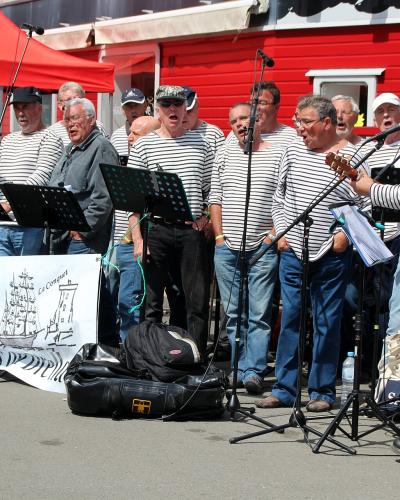
Brest offers various activities for visitors interested in history, culture, and nature. The city is a gateway to the Breton islands, with boat trips available to the Île de Sein and the Île de Molène. The Penfeld River, which divides the city, offers scenic walks and boat tours. The Rue Saint-Malo is a pedestrian street lined with shops and cafes, perfect for leisurely strolls. The city also hosts several festivals throughout the year, including the Brest International Film Festival and the Fête de la Musique. For those interested in military history, the Submarine Base and the Naval Academy offer insights into the city's naval heritage. The surrounding Brittany coast provides opportunities for hiking, cycling, and exploring picturesque villages.
Getting to Brest is convenient via train, with TGV services connecting it to Paris, Rennes, and other major French cities. The train station is located in the city center, making it easily accessible. For those traveling by car, Brest is connected by the A83 motorway. The best time to visit Brest is from late June to early September, when the weather is warm and pleasant, ideal for outdoor activities and exploring the city's attractions. July and August are the warmest months, with average highs around 21°C, but also the busiest. Spring and autumn offer milder weather and fewer crowds, making them suitable for sightseeing and museum visits. Winter is cooler and wetter, but offers a serene atmosphere and lower prices for accommodation. Brest combines maritime history, modern culture, and natural beauty, making it a compelling destination for travelers seeking an authentic Breton experience.
Best Time to Visit
Late June to early September offers warm weather and ideal conditions for outdoor activities and sightseeing.
Plan Your Visit to Brest
Essential travel tips and information for your trip to Brest.
Suggested Itineraries
One Day in Brest
1 dayPerfect for a quick visit. See the main highlights and get a taste of local culture.
Extended Brest Experience
2-3 daysComprehensive exploration including nearby attractions and cultural experiences.
Travel Tips
Currency
EUR • Cards widely accepted
Language
French • English in tourist areas
WiFi
Free WiFi in cafes and hotels
Explore Brest by Interest
Discover attractions and experiences in Brest organized by your interests and travel preferences.



All attractions in Brest
Sorted by our recommendation score
Quick Facts
Book your stay
Frequently Asked Questions
More destinations in Brittany
Explore other amazing places in the Brittany region