







- Where
- Brest, Brittany
- Directions
- Directions
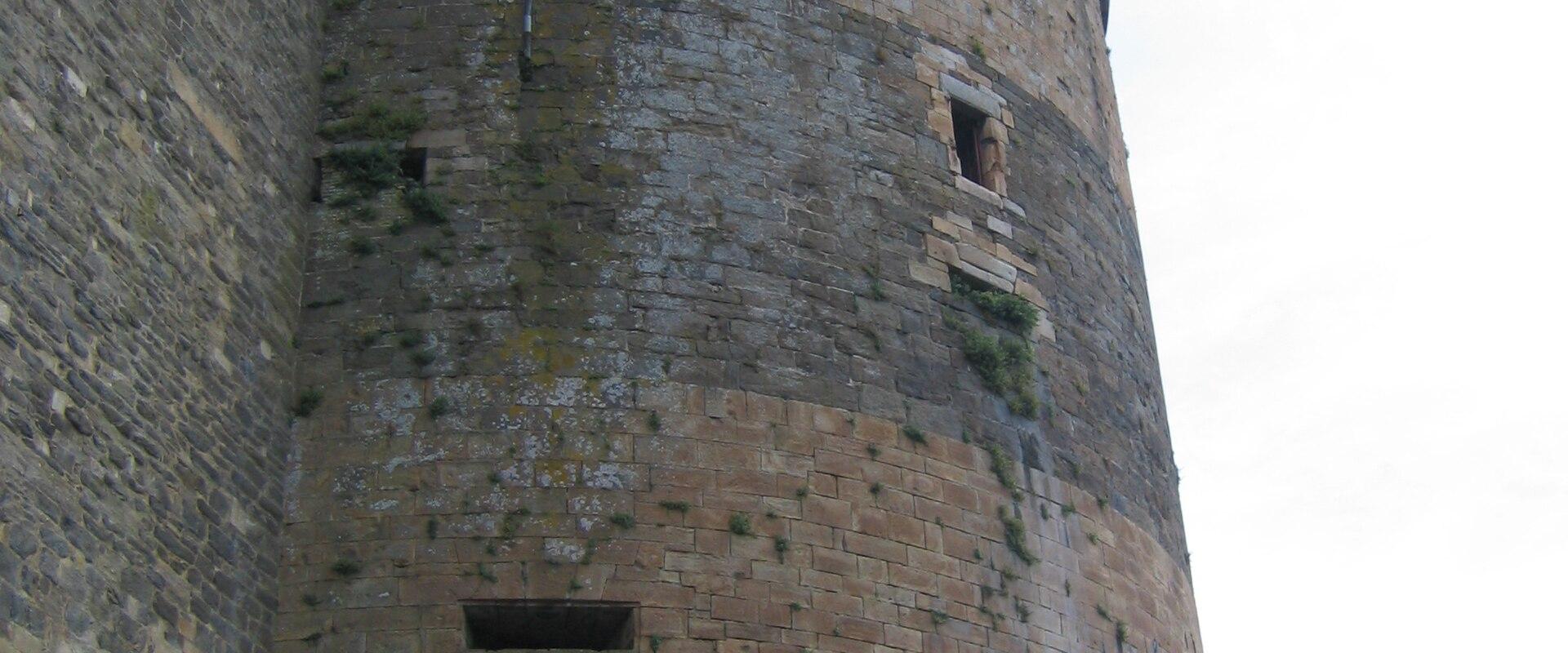
The Citadelle de Brest, also called the Château de Brest, stands on a rocky spur at the mouth of the Penfeld river, where the river meets the great natural harbour known as the rade de Brest. For almost two thousand years, a fortress has stood on this site, and it continues to be in military use today, which makes it one of the oldest castles in France that is still occupied by the armed forces. It is a working part of the French navy, the seat of the maritime prefecture, and part of it is open to visitors, so a visit combines history with the sight of a living port.
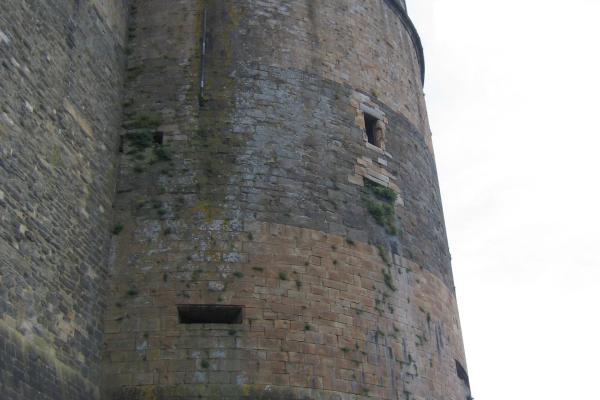
The oldest remains go back to the Roman period. In the late third century, the Romans built a fortified camp on the rock to defend the coast against raiders, and traces of the walls can still be seen at the base of the castle. In the Middle Ages, the site passed to the dukes of Brittany, and the stone castle took shape, with towers and a keep, in the thirteenth and fourteenth centuries. For a time, the English held it in the Hundred Years' War, and it later returned to the dukes and to Anne of Brittany, who married two kings of France and brought Brittany into the French crown. In the late seventeenth century, Louis XIV's engineer Vauban strengthened the defences, adding bastions and thick walls to guard the harbour, and the castle took on much of its present form.
The castle survived the destruction of Brest in the Second World War, when the city was almost entirely flattened by Allied bombing and the fighting of 1944, and it has since become a landmark in a city that was rebuilt in a modern style. Inside the walls, the Musée National de la Marine tells the maritime history of Brest, with ship models, figureheads, paintings, instruments and displays on the navy and the port, and the building itself is part of the story. From the ramparts and the towers, the view over the harbour, the Penfeld and the bay is wide, and the ships of the French fleet can be seen moored at the arsenal opposite. Across the river, the Tour Tanguy, a medieval tower, houses a museum of old Brest.
Brest has other sights nearby. The Pont de Recouvrance, a vertical lift bridge across the Penfeld, links the two sides of the city, and the Cours Dajot, a long terrace promenade built on the ramparts, offers views over the harbour. The Océanopolis aquarium, in the Moulin Blanc marina, is one of the largest in Europe, and the Musée des Beaux-Arts and the Port de Commerce are in the city. The coastal town of Le Conquet, with its ferries to Ouessant, is about half an hour away.
The citadel suits those interested in maritime and military history, and visits take around two hours. Because part of the site is in military use, access may be limited, and security checks may apply, so check opening arrangements before going. Wear comfortable shoes for the ramparts.
Categories
More photos coming soon
Nearby Attractions
Other places to visit in Brest
Château de Brest
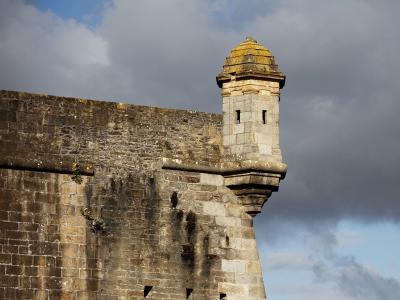
17th-century fortress housing the National Navy Museum
From €9 Castles · Harbors

Océanopolis
Europe's largest open-air aquarium in Brest
From €24.90 Marine Parks · Natural History
Musée des Beaux-Arts de Brest
Brest's main art museum housing French and Italian old ma...
From €5 Art Museums
Le Conquet
Historic Breton port town
Harbors · Historic Towns
Questions people ask
Quick Facts
Best Time to Visit
Late June to early September offers warm weather and ideal conditions for outdoor activities and sightseeing.