







- Where
- Gordes, Provence-Alpes-Côte d'Azur
- Directions
- Directions
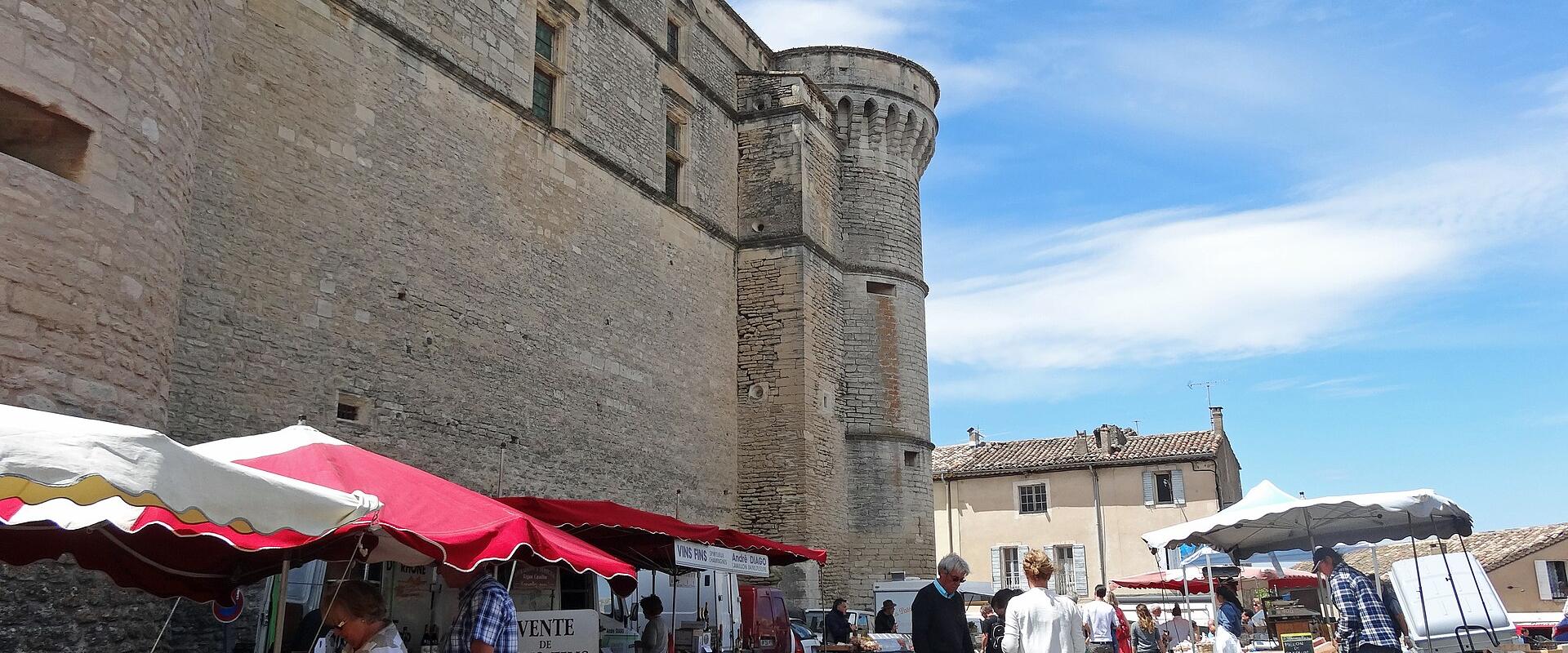
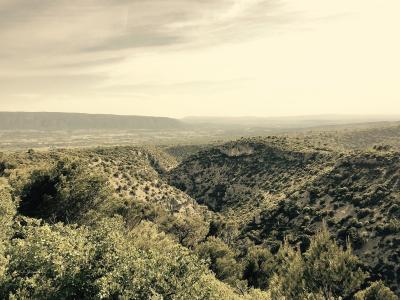
Gordes is among the best-known hill villages of the Luberon, in the Vaucluse, and the castle stands at its centre, above the tiers of pale stone houses that climb the slope. The village overlooks the plateau of Vaucluse and the valley toward the Luberon range, and from a distance the castle and the church seem to rise out of the rock itself. A fortress was first built here in the Middle Ages to guard the valley, and the building that visitors see today is the result of several rebuildings, which makes it a good case study of how defensive architecture turned into residential architecture.
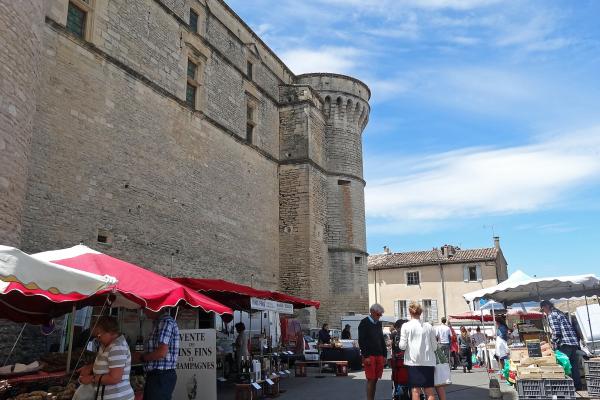
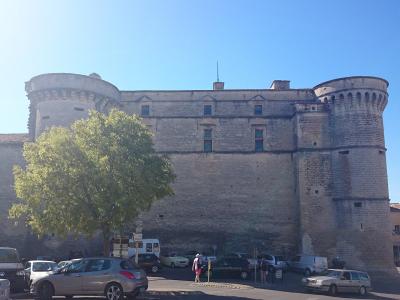
The oldest parts are medieval, and the remains include a tower that goes back to the twelfth century, with simple crenellations at the top, where the stone is rough and the openings are narrow. The fourteenth century left its own tower, which has lost its crown of defences and been roofed with tiles, a sign of the period when the need for defence became less urgent. The most prominent features date from the sixteenth century. After the lords of Gordes had held the village for generations, Bertrand Raimbaud de Simiane rebuilt the castle between about 1525 and 1541, adding the large round towers with machicolations, the projecting galleries that once allowed defenders to drop missiles on attackers. By this date they served more as a mark of rank than as real fortification, and the interior was refashioned in the Renaissance style, with large windows, a courtyard and a fine fireplace in the main hall that is often admired.
The castle has had many uses since. The village hall is housed in the building, and it has also served as a centre for art and culture, with exhibitions. In the twentieth century it was the home of a museum devoted to the work of the artist Victor Vasarely, who made his name with optical art, before the collection moved elsewhere. The village itself attracted painters and writers, and Marc Chagall lived near Gordes during the Second World War. The building is part of a landscape that is among the most photographed in Provence, with its stone walls, the lavender fields in summer and the old farm buildings of dry stone, the bories, in the countryside around.
Access to the interior depends on the exhibitions held in the castle and on the opening times of the municipal offices, so check at the tourist office before planning a visit. The exterior and the square in front are always accessible as part of a walk through the village, and the climb up the steep lanes from the car parks is part of the experience. Visit in the morning or the evening to avoid the crowds that arrive by coach at midday, particularly in summer.
Nearby places to see include the Chapelle Saint-Martin, the museum of art and history, and the Luberon Regional Natural Park, which offers walking and cycling routes. The Abbaye de Sénanque, a Cistercian abbey in a lavender-filled valley, is a few kilometres away. The castle suits architecture lovers, photographers and visitors exploring the villages of the Luberon.
Categories
More photos coming soon
Questions people ask
Quick Facts
Best Time to Visit
May to June and September to October offer mild weather and fewer crowds for optimal exploration.