







- Where
- Gordes, Provence-Alpes-Côte d'Azur
- Directions
- Directions
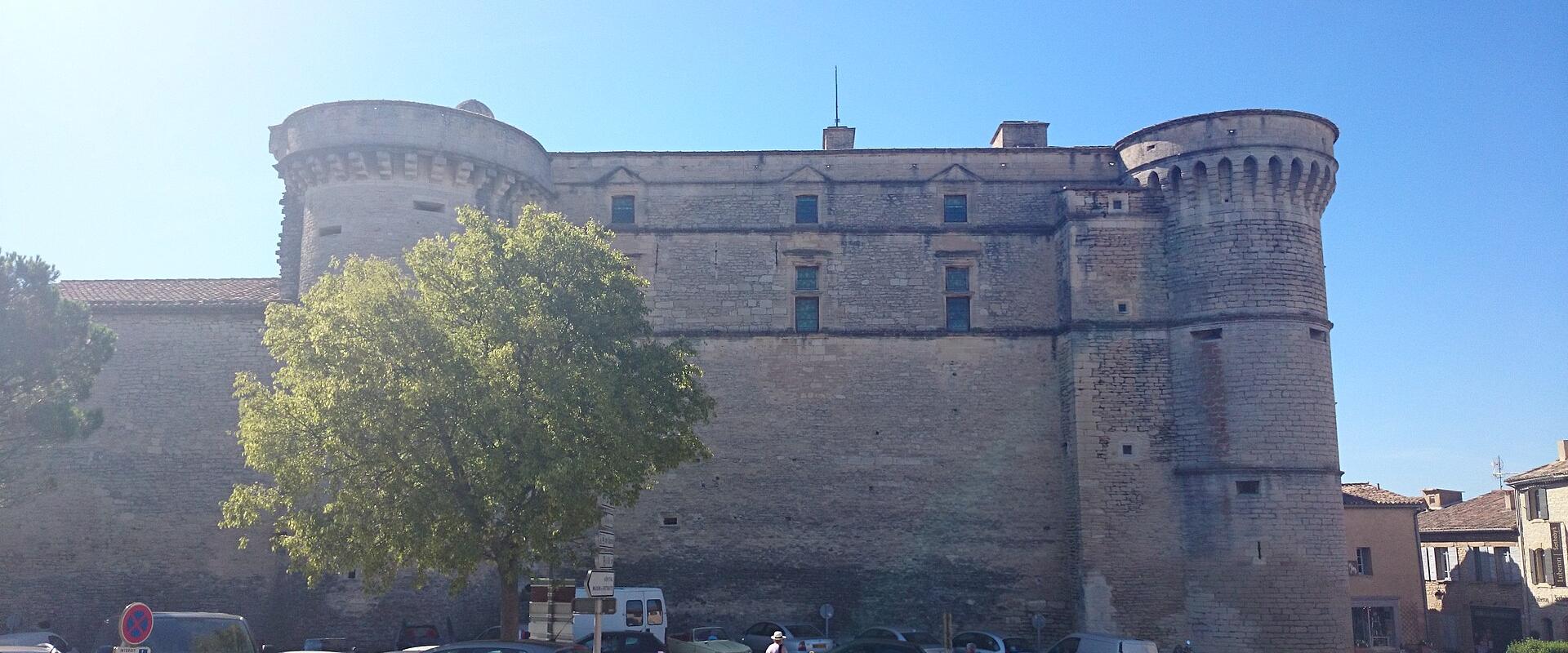
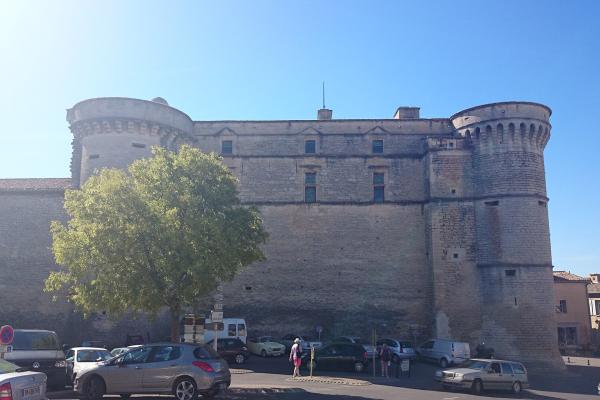
The museum of Gordes is housed in the castle at the top of the village, and the history it holds is the history of a hill town in the Luberon, in the Vaucluse, about thirty kilometres from Avignon. The building is a Renaissance castle on a rocky spur, rebuilt in the sixteenth century on much older foundations, and it is described at greater length under the castle itself. What follows looks at what a visit teaches about Gordes and its surroundings, which is the purpose of a local museum in a place like this.
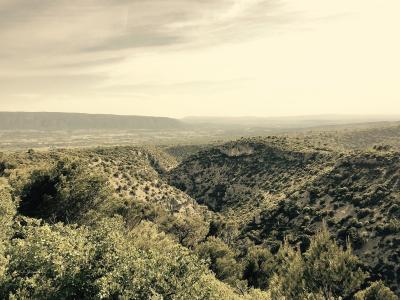
The village of Gordes has been settled since antiquity. The Romans were in the area, and the Luberon landscape of limestone ridges, scrub and olive terraces has been farmed for thousands of years. In the Middle Ages the village was part of the Comtat Venaissin, a territory of the papacy that remained separate from the kingdom of France until the Revolution, and the lords of Gordes were powerful regional figures. The stone houses that rise in tiers up the hill, built of the local pale limestone and roofed with round clay tiles, date largely from that period and the following centuries, and the village was a prosperous centre for farming, the weaving of cloth and the milling of oil.
The twentieth century brought new life. After the Second World War, artists and writers discovered the village and its light. Marc Chagall lived near Gordes during the war, the painter André Lhote and the Op Art pioneer Victor Vasarely were associated with the place, and for many years the castle housed a museum devoted to Vasarely. Gordes became one of the most visited and best-known villages in the south of France, and the scenery of its stone houses against the blue sky appears in many photographs and films.
The surroundings give more to see. A few kilometres from the village the Village des Bories is a group of dry-stone huts with corbelled roofs, built without mortar in earlier centuries as shelters for shepherds and farmers, and they have been restored as an open-air museum. The Cistercian abbey of Sénanque, founded in the twelfth century in a narrow valley, is famous for its austere Romanesque church and for the lavender fields that bloom around it in late June and July. To the east, the ochre cliffs of Roussillon, and to the west, the Fontaine de Vaucluse with its great spring, offer other excursions.
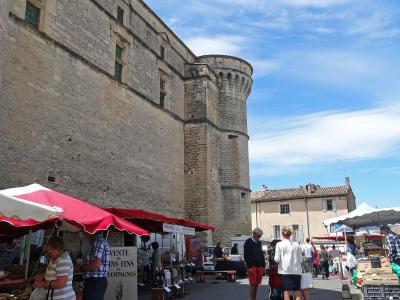
The interior of the castle is open for exhibitions and municipal uses, with hours that depend on the season and the programme, so check the tourist office before planning a visit. The streets and terraces around it are free to explore. The Chapelle Saint-Martin and the Luberon Regional Natural Park, with its walking and cycling routes, are other places to see in the area. Arrive early in the morning or late in the afternoon to avoid the crowds. The museum suits those interested in the heritage of Provence and in the story of artists in the region.
Categories
More photos coming soon
Nearby Attractions
Other places to visit in Gordes
Questions people ask
Quick Facts
Best Time to Visit
May to June and September to October offer mild weather and fewer crowds for optimal exploration.