







- Admission
- Free
- Hours
- Open daily
- Where
- Millau, Midi-Pyrénées
- Directions
- Directions
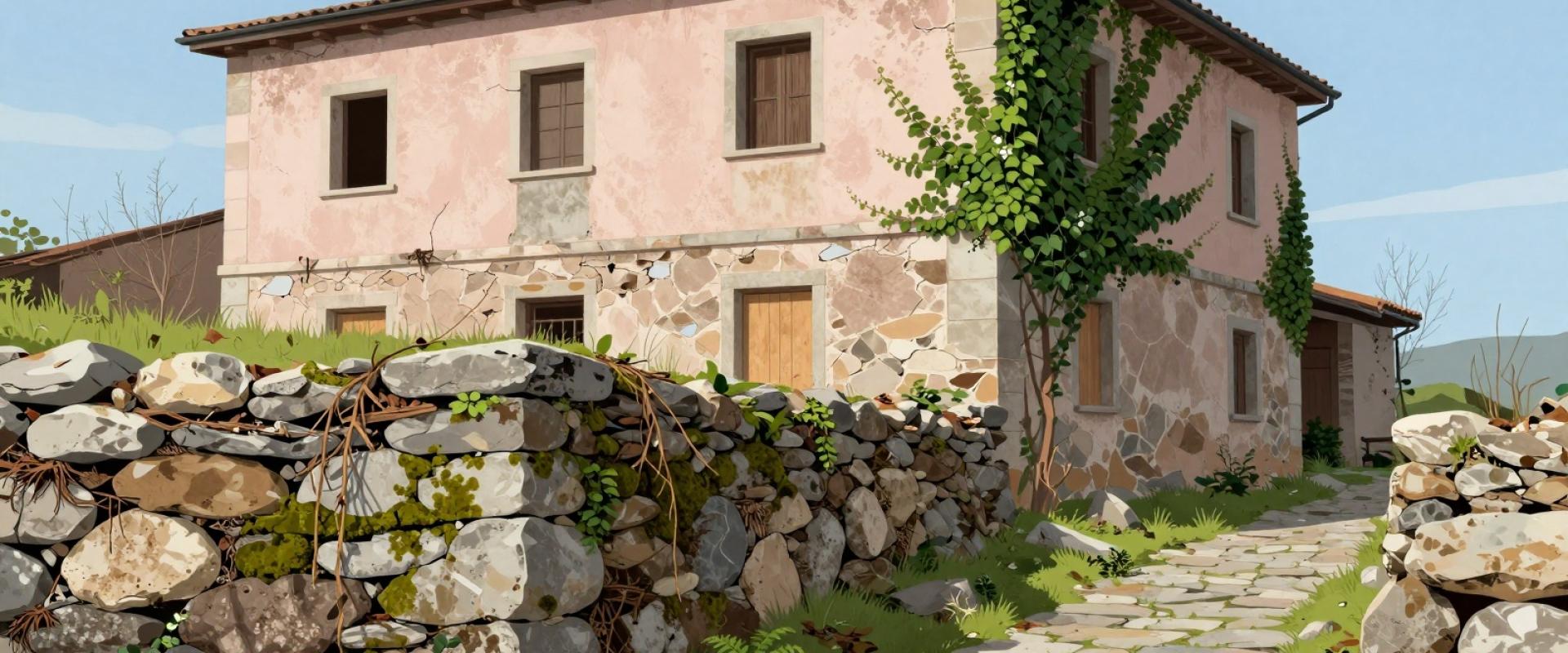
Millau is known worldwide for its viaduct, the tall cable-stayed bridge that carries the motorway across the Tarn valley, but the town beneath it has a much longer story, and the remains of its medieval castle belong to that story. Visitors should ask at the tourist office about access and about what can be seen.
Millau lies on the right bank of the Tarn, where the river leaves the deep gorges to the east and enters a broad basin ringed by limestone plateaus, the Grands Causses. This position has made the town a crossing point and a trading centre since ancient times. In Roman times, the nearby site of La Graufesenque was one of the biggest pottery workshops in Gaul, producing fine red tableware known as samian ware that was exported across the empire, and finds from the site are displayed in the town's museum. In the Middle Ages, Millau grew as a market town, and a castle, held by local lords and the kings of Aragon for a time, protected it. A belfry from the twelfth century still stands in the centre, a surviving symbol of civic pride.
The town became famous for glove-making, a craft that used the skins of lambs from the surrounding plateaus and made Millau a centre of fine gloves for centuries. The Roquefort cheese made in the nearby village of the same name uses milk from the sheep of the same region, so the plateaus have long shaped life here. The Larzac plateau to the south and the Gorges du Tarn to the north-east offer some of the finest landscapes in southern France, with cliffs, canyons and open grasslands.
The Millau Viaduct, designed by the engineer Michel Virlogeux with the architect Norman Foster and opened in 2004, is one of the highest bridges in the world, its pylons rising above the clouds on foggy mornings. A viewing area and a visitor centre allow close views. A walk up to any hilltop ruin above the town can give a good perspective on both the old town and the new bridge, linking medieval defence and modern engineering in a single glance.
The Marché de Millau, held on certain mornings, sells local produce, and canoeing and paragliding are popular in the valley. The Parc des Expositions et des Loisirs offers open space for events.
The ruins suit curious walkers and history lovers, and are best visited as part of a broader day in Millau. Wear sturdy shoes and check access in advance.
Categories
More photos coming soon
Hours & Fees
- Open
- Open daily
- Admission
- Free
Hours and prices change, especially out of season. Check with the venue before you go.
Nearby Attractions
Other places to visit in Millau
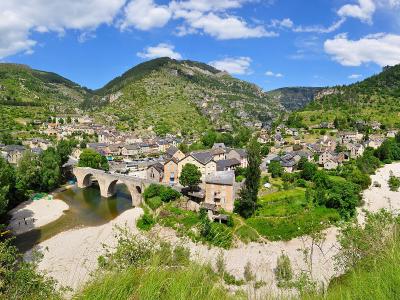
Gorges du Tarn
1905 tourist route through UNESCO limestone canyon
Guided Experiences · Nature & Parks
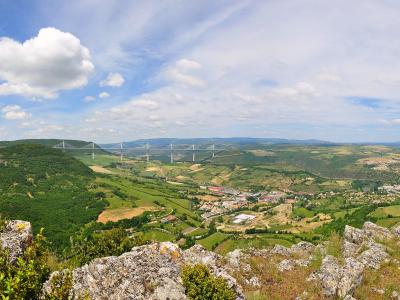
Millau Viaduct (Viaduc de Millau)
World's tallest bridge at 343m
From €4 Architectural Landmarks · Bridges
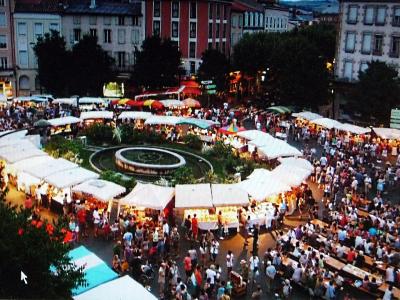
Marché de Millau
Weekly food market and local produce stalls in Millau
From €4 Local Cuisine · Markets
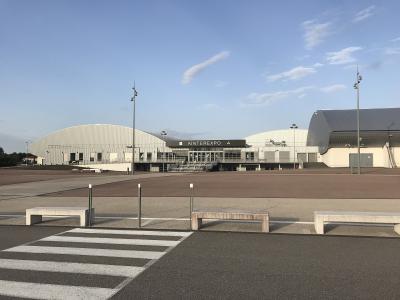
Parc des Expositions et des Loisirs
Exhibition and leisure park in Millau, France
Urban Exploration
Questions people ask
Quick Facts
Best Time to Visit
Late June to late August offers warm weather and ideal conditions for outdoor activities and sightseeing.