







- Hours
- June 15–Sept 15: 9:30am-12:30pm, 1:30pm-6:45pm; Sept 16–June 14: 9:30am-11:45am
- Where
- Pau, Aquitaine
- Directions
- Directions
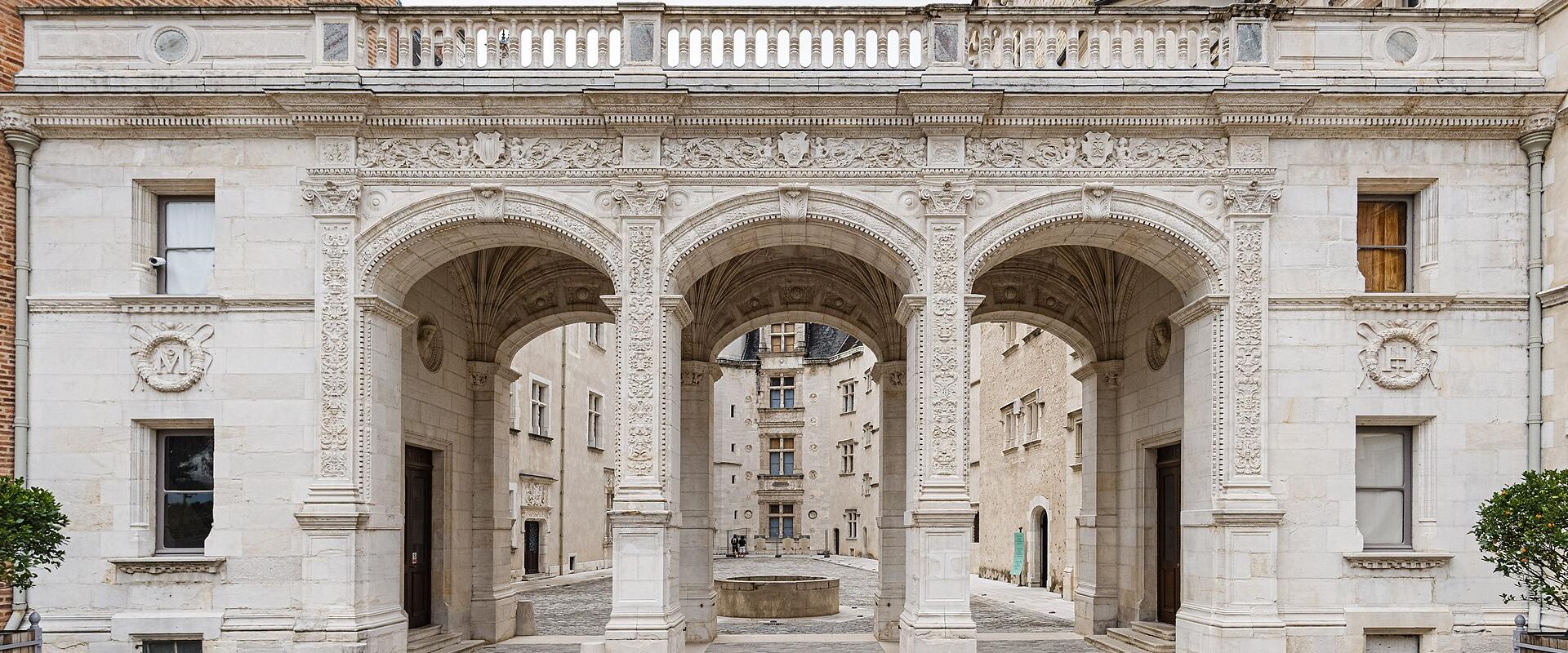
The Château de Pau stands on a rocky spur above the river Gave de Pau, with a long view toward the Pyrenees, and it is the building that made Pau a royal city. It is best known as the birthplace of Henry IV, born here on 13 December 1553, who grew up to become the first Bourbon king of France and one of the country's most popular rulers. But the château has a much longer history, and walking through it is a way of seeing several centuries of architecture and taste layered together.
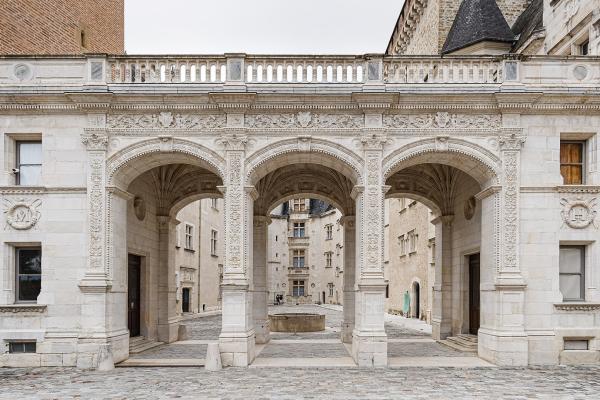
The oldest part, the brick keep, dates from the fourteenth century and was built under Gaston Fébus, Count of Foix and Béarn, a powerful lord who ruled much of the south-west of France independently of the French crown. The tower, still known as the Tour Gaston Fébus, is a plain, tall structure that recalls the days when the castle was a military stronghold. In the sixteenth century, Marguerite d'Angoulême, sister of King Francis I and queen of Navarre, who was Henry's grandmother, transformed the fortress into a Renaissance residence, adding an elegant wing with large windows and decorated stairs, and making the castle a centre of humanist culture. Her granddaughter-in-law Jeanne d'Albret, Henry's mother, continued to use it as a base.
The interior is a national museum, and its rooms contain furniture, paintings and decorative arts from the sixteenth to the nineteenth centuries. The collection of tapestries is among the best in France, with Flemish and Gobelins pieces covering the walls of the main apartments, and the rooms show the layers of taste, from the Renaissance through the restorations carried out in the nineteenth century under Louis-Philippe and Napoleon III, when the château was refurbished as a royal residence. A tortoise shell, said to have been the cradle of the infant Henry, is displayed as a famous curiosity. Pau also produced another notable figure, Jean-Baptiste Bernadotte, a general of Napoleon who became king of Sweden.
Outside, the château is surrounded by a park along the edge of the valley, with tree-lined paths and views of the mountains, and it opens onto the Place du Palais. The Boulevard des Pyrénées, close by, is a long promenade with panoramas of the peaks. Other attractions nearby include the Musée du Vieux Pau, the Musée des Beaux-Arts de Pau, the Cathédrale Saint-Louis, the Parc Beaumont and the Théâtre des Arts, and the Gave de Pau riverbanks provide a green walk.
Plan on one to two hours for the château, with guided tours often available. It suits history lovers and families. Opening hours and prices vary with the season, so check the official website before you go.
Categories
More photos coming soon
Opening Hours
- Open
- June 15–Sept 15: 9:30am-12:30pm, 1:30pm-6:45pm; Sept 16–June 14: 9:30am-11:45am
Hours and prices change, especially out of season. Check with the venue before you go.
Nearby Attractions
Other places to visit in Pau
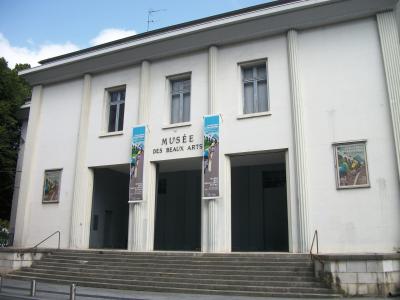
Musée des Beaux-Arts de Pau
19th-century French art in Art Deco building
Historic Architecture · Museums & Culture
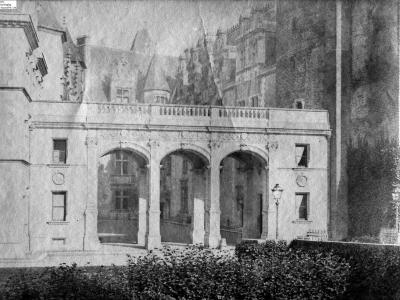
Musée du Vieux Pau
Birthplace of Henry IV in a 14th-century castle
Museums & Culture
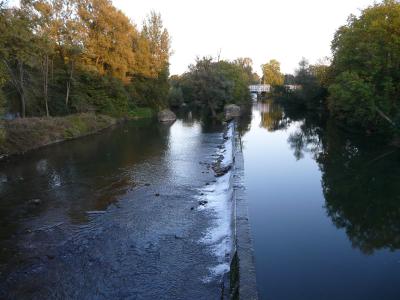
Gave de Pau Riverbanks
Scenic riverbanks along the Pyrenean Gave de Pau
Nature & Parks · Urban Exploration
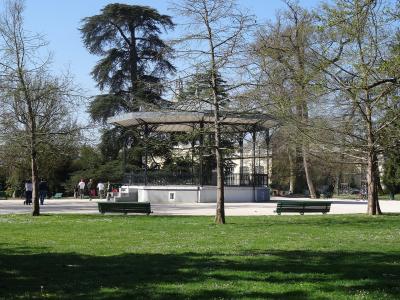
Parc Beaumont
Historic English-style park with century-old trees
Free Nature & Parks · Urban Exploration
Questions people ask
Quick Facts
Best Time to Visit
Mid-June to mid-September offers warm weather and ideal conditions for outdoor activities and sightseeing.