







- Hours
- Open daily 10:18 AM (specific closing time obscured)
- Where
- Collioure, Languedoc-Roussillon
- Directions
- Directions
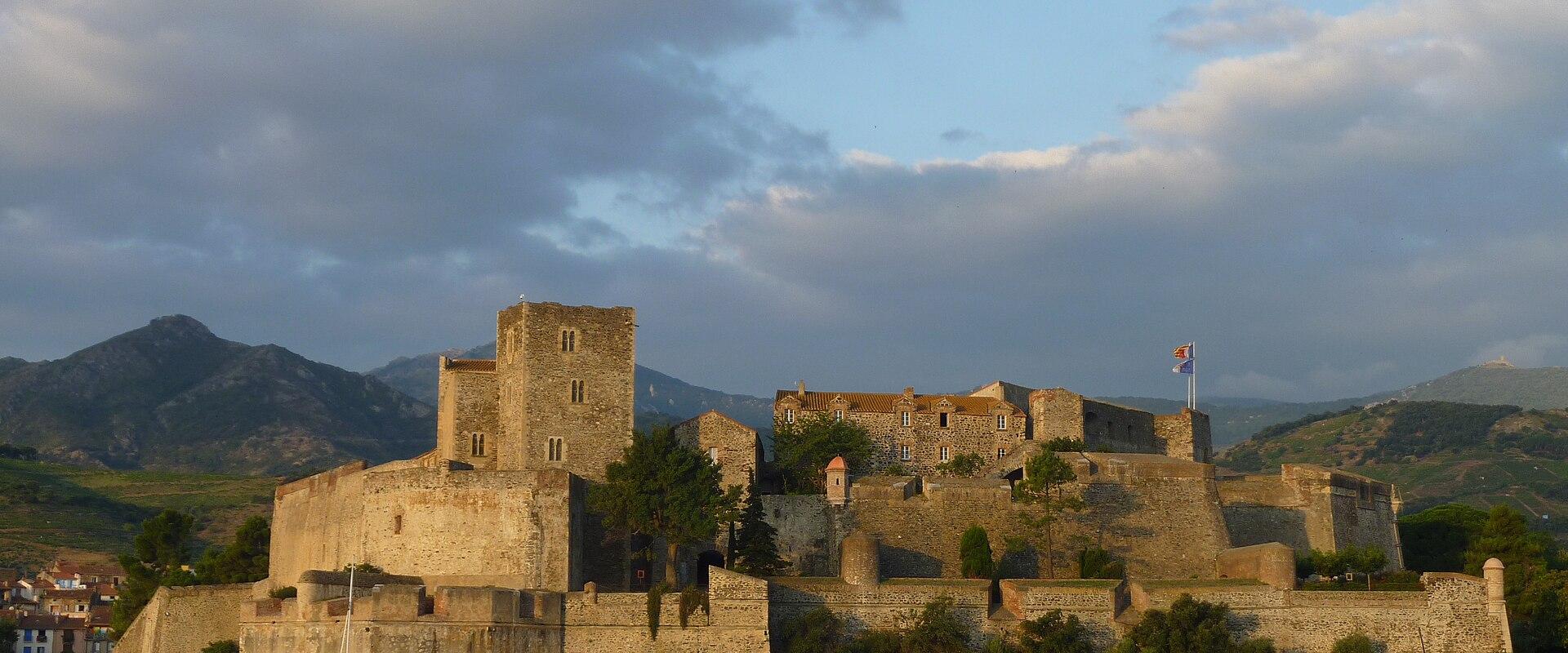
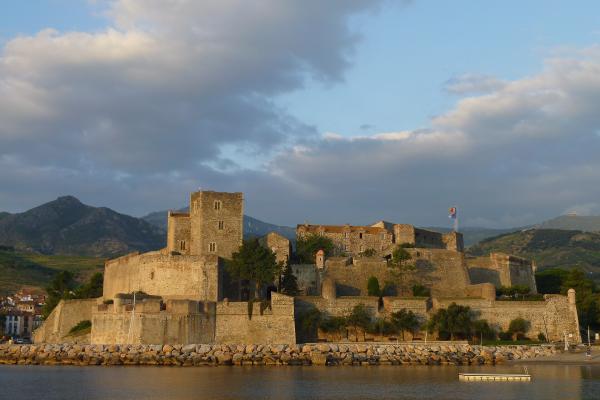
The Château Royal de Collioure rises right at the water's edge in the middle of the bay, between the harbour beach and the Boramar quarter, and it is the first thing you see in nearly every picture of the town. Its history is long. A fortress has stood here since early times, and in the Middle Ages it became the seat of power in this part of Roussillon. In the thirteenth and fourteenth centuries the kings of Majorca made it a royal palace, with a residence for the court inside the fortified walls. The Templars also held the site for a time before that.
After the Treaty of the Pyrenees of 1659 moved the border and Roussillon became French, the old castle was no longer enough. Engineers reshaped it as a modern fortification, and Vauban, Louis XIV's great military engineer, strengthened it further, which explains the thick bastions and low, sloping walls that you see today. In the sixteenth century, Charles V had already rebuilt parts of the defences, and some of the older rooms were cut away when the new works went in. The result is a layered monument where medieval royal halls, Spanish-era works and French fortifications stand side by side. It has been protected as a historic monument since 1922.
Walking through the château, you pass courtyards, ramparts, vaulted rooms, a chapel and a long covered gallery, and from the walls the view opens in two directions: out to the Mediterranean and back to the town. The pink-stone bell tower of the church of Notre-Dame-des-Anges, which was once a lighthouse, sits across the bay and frames the scene. The Vauban-era defences also extend onto the hillside above the town, so you can see the layout of the harbour and understand why the position was strategic.
The fortress also hosts exhibitions and events, so the interior can change with the season. Guided visits and audio guides are offered in several languages, so check what is available when you arrive.
Collioure itself is known for the painters who worked here early in the twentieth century. Matisse and Derain spent the summer of 1905 painting the bay, an episode usually seen as the birth of Fauvism, and the town's lanes, galleries and fishing port still draw artists. After the château, wander the Ruelles du Vieux Collioure, look at the work in the Galerie d'Art Contemporain, and have a drink near the Port de Pêche.
It suits history readers, families and anyone who wants the best view over the bay.
Categories
More photos coming soon
Opening Hours
- Open
- Open daily 10:18 AM (specific closing time obscured)
Hours and prices change, especially out of season. Check with the venue before you go.
Nearby Attractions
Other places to visit in Collioure
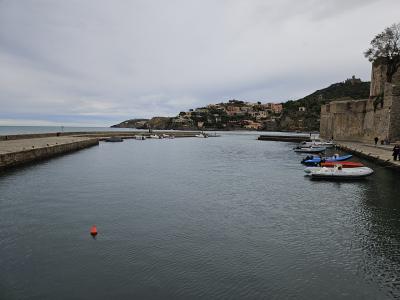
Port de Pêche
Historic fishing port in Collioure
Harbors · Local Cuisine
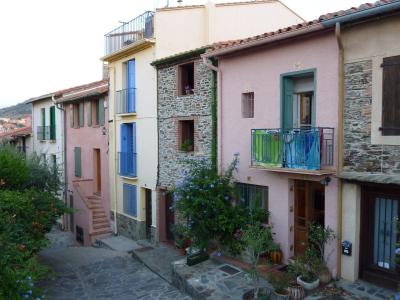
Ruelles du Vieux Collioure
Historic medieval streets in Collioure
Historic Architecture · Heritage Trails
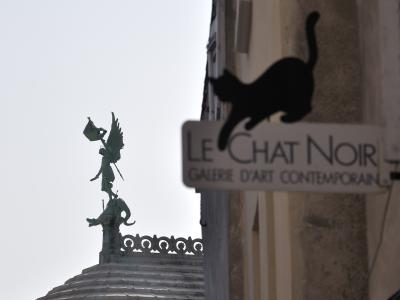
Galerie d'Art Contemporain
Contemporary art galleries in Collioure's historic port
Free Museums & Culture · Urban Exploration
Questions people ask
Quick Facts
Best Time to Visit
May to June and September to October offer mild weather and fewer crowds for optimal exploration.