







- Where
- Collioure, Languedoc-Roussillon
- Directions
- Directions
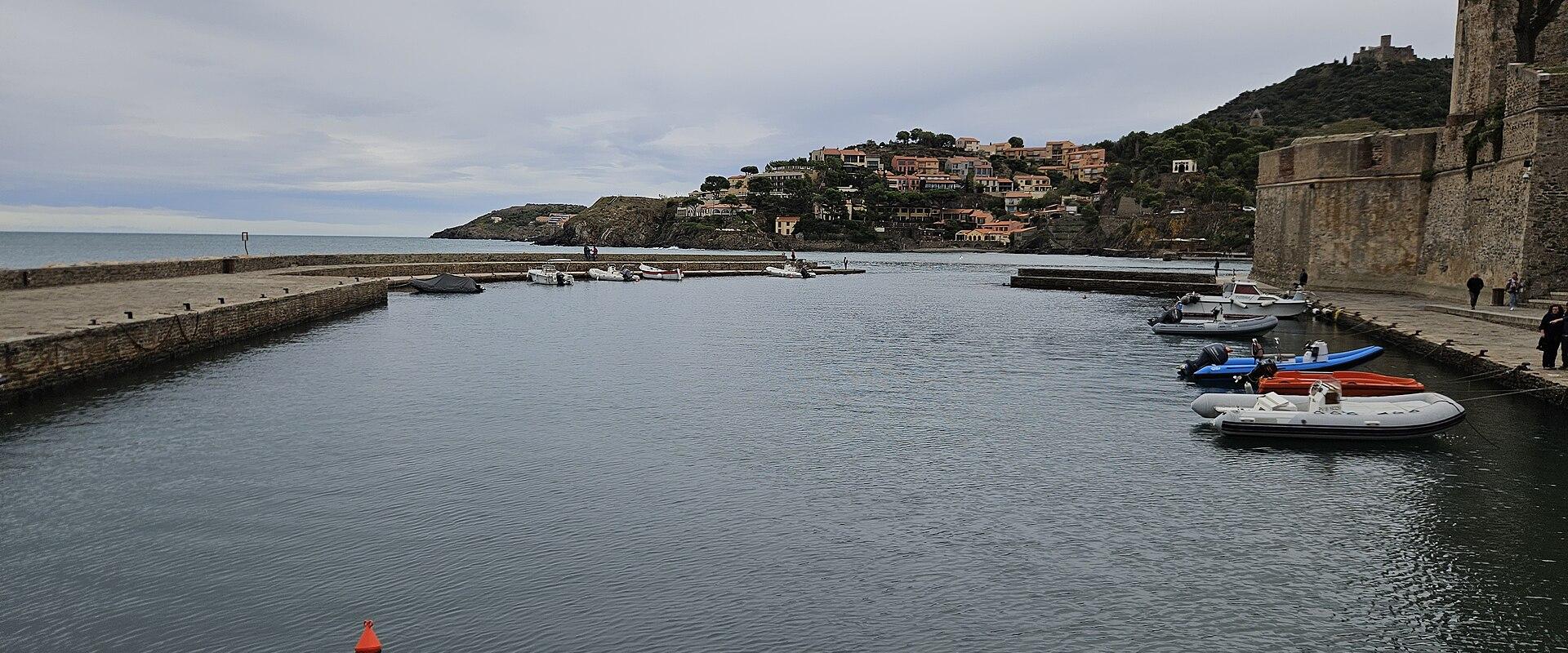
Collioure is a small Catalan town on the Mediterranean, in the Pyrénées-Orientales, a few kilometres from the Spanish border, and its fishing port sits at the foot of a view that has been painted countless times. A royal castle rises straight out of the water on one side, a church with a pink dome that was once a lighthouse stands on a spit on the other, and above the roofs the Fort Saint-Elme guards the hill. The town is one of the most photographed in France, and the port is its centre.
Collioure is known as the cradle of Fauvism. In the summer of 1905, Henri Matisse and André Derain worked here side by side and painted the harbour, the boats and the hills in violent, unnaturalistic colours, a break with the Impressionist tradition that shocked visitors to the Paris Salon that autumn and gave the movement its name. Later Picasso, Braque, Dufy and others visited too. Today, a trail through the old town, the Parcours Fauve, places reproductions of the paintings at the spots where they were made, so you can compare the view then and now.
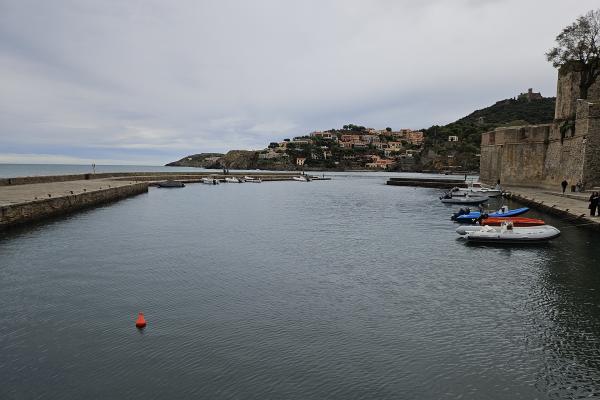
The port is still a working fishing harbour. Small boats, many of them painted in bright colours, are moored along the quay and in a narrow dock, and the fishermen land their catch of sardines and other fish. Collioure is famous for its salted anchovies, which have been processed here for centuries by families in the town, and they are sold in tins and jars in the shops. The wine of the area, from the terraced vineyards in the hills around Collioure and neighbouring Banyuls, is another speciality, a sweet fortified wine and a robust dry red. The port is subject to local rules about mooring, so visiting boats should consult the harbour office.
Around the harbour, the lanes of the old town, the Ruelles du Vieux Collioure, are full of galleries, craft shops and small restaurants. The Château Royal de Collioure, a fortress that was a residence of the kings of Majorca and was later strengthened by Vauban, is the main monument, and the church of Notre-Dame-des-Anges has a notable altarpiece. The Spanish poet Antonio Machado, who fled Spain at the end of the Civil War in 1939, died in Collioure and is buried in the cemetery.
The port suits couples, artists, photographers and anyone who likes to eat seafood by the water. It is busy in summer, so visit early or in the evening. Allow a few hours.
Categories
More photos coming soon
Nearby Attractions
Other places to visit in Collioure
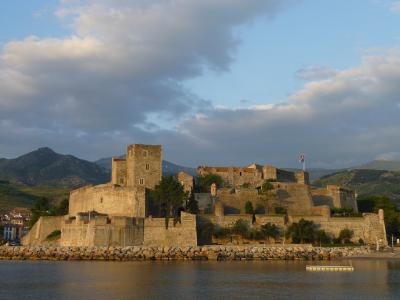
Château Royal de Collioure
Vauban citadel on Collioure Bay
Castles · Fortresses
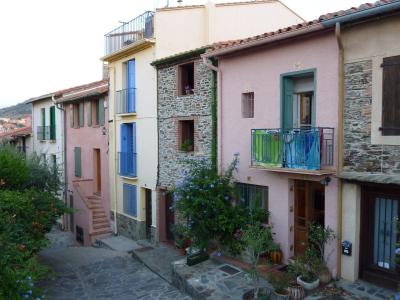
Ruelles du Vieux Collioure
Historic medieval streets in Collioure
Historic Architecture · Heritage Trails
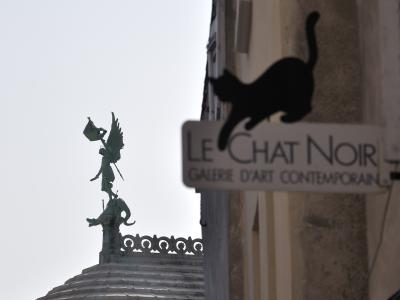
Galerie d'Art Contemporain
Contemporary art galleries in Collioure's historic port
Free Museums & Culture · Urban Exploration
Questions people ask
Quick Facts
Best Time to Visit
May to June and September to October offer mild weather and fewer crowds for optimal exploration.