Collioure
Catalan seaside village with colorful harbor and royal castle
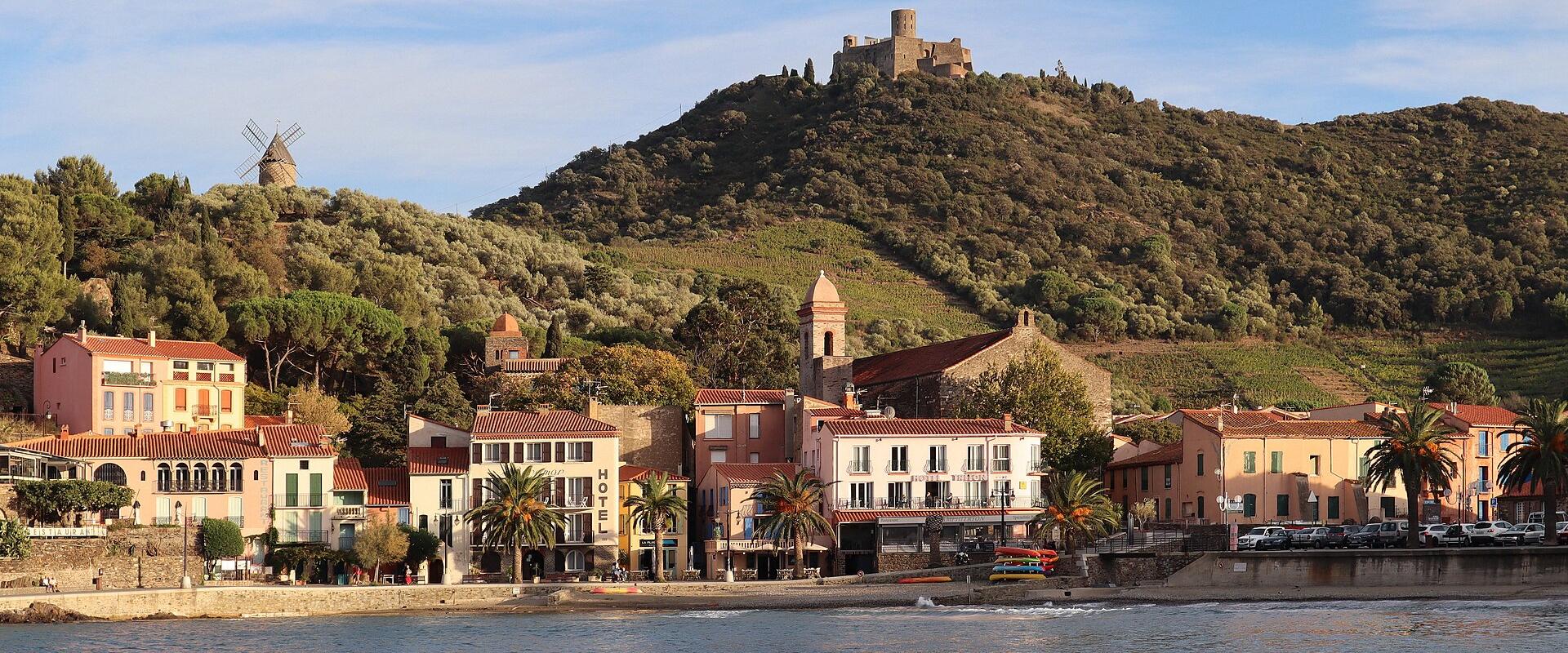
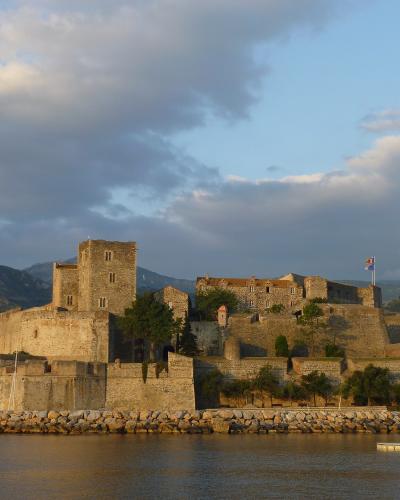
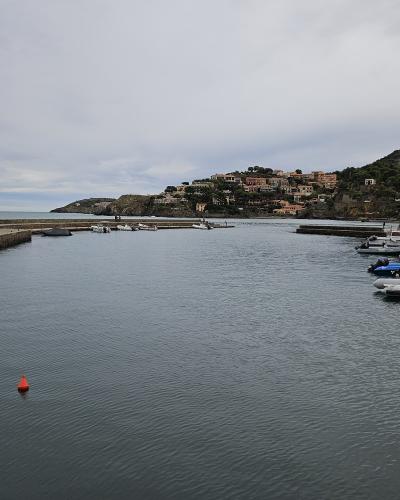
Collioure, situated in the Pyrénées-Orientales department of southern France, is a village with a profound historical and artistic identity. Historically, it was a significant fishing port and a strategic military location due to its position on the Mediterranean coast. The town was part of the Kingdom of Majorca in the Middle Ages and later became a point of contention between France and Spain, leading to the construction of the Royal Castle (Château Royal) in the 17th century to defend the harbor. The town's layout reflects its medieval origins, with narrow, winding streets and fortified walls. In the late 19th and early 20th centuries, Collioure became a haven for artists, particularly the Fauves, who were drawn to its intense light and vivid colors. This artistic legacy is celebrated in the town's galleries and cultural centers. The town's architecture is a blend of Catalan and French styles, with colorful houses lining the harbor and the beach.
The main attractions in Collioure revolve around its harbor, castle, and artistic heritage. The Royal Castle, perched on a hill overlooking the harbor, offers panoramic views of the sea and the surrounding mountains. The Fort Saint-Elme, located on the beach, is a 17th-century fortress that now houses a cultural center. The Church of Notre-Dame-des-Anges, with its distinctive bell tower, is a key religious landmark. The harbor itself is the heart of the town, filled with colorful fishing boats and lined with restaurants and cafes. The Centre Culturel de Collioure hosts exhibitions and events celebrating the town's artistic history. The beaches, including Plage de la Grande Plage and Plage de l'Abbaye, are popular for swimming and sunbathing. The surrounding area offers hiking trails, such as the Chemin de Fauvisme, which connects Collioure to nearby villages and offers scenic views.
Collioure offers various activities for visitors interested in history, art, and nature. Wine tasting is a central activity, with the surrounding vineyards producing renowned Banyuls and Collioure wines, including the famous sweet vin doux naturel. The town hosts various festivals throughout the year, including the Festival of the Sea and the Collioure Jazz Festival. The local cuisine features Catalan specialties, including paella, escalivada, and fresh seafood. The nearby town of Port-Vendres offers additional attractions, including the Grotte de la Baume and the Musée de la Mer. The surrounding Pyrenees mountains offer hiking and cycling opportunities. The town also has several art galleries showcasing local and regional artists.
Getting to Collioure is convenient via train, with regular services from Perpignan to Collioure station. The station is located near the town center, making it easily accessible. For those traveling by car, Collioure is accessible via the D914 road. The best time to visit Collioure is from May to June and September to October, when the weather is mild and pleasant, ideal for exploring the town and the surrounding beaches. July and August are the warmest months, with average highs around 31°C, but also the busiest. Spring and autumn offer milder weather and fewer crowds, making them suitable for sightseeing and wine tasting. Winter is cooler and quieter, offering a serene atmosphere for indoor museum visits. Collioure combines historical depth, artistic richness, and natural beauty, making it a compelling destination for travelers seeking an authentic Catalan experience.
Best Time to Visit
May to June and September to October offer mild weather and fewer crowds for optimal exploration.
Did you know?
Interesting, verified facts about Collioure
Collioure Keeps a Castle Story
HistoryThe town features a mix of historic architecture, including the Royal Castle and fortified walls, alongside charming narrow streets and beaches.
Source: The Château Royal de Collioure: A Majestic Fortress with a Multilayered ...Collioure Has Another Verifiable Detail
Notable PersonCollioure offers a blend of artistic heritage, maritime history, and Provençal-Catalan gastronomy.
Source: Collioure - WikipediaPlan Your Visit to Collioure
Essential travel tips and information for your trip to Collioure.
Suggested Itineraries
One Day in Collioure
1 dayPerfect for a quick visit. See the main highlights and get a taste of local culture.
Extended Collioure Experience
2-3 daysComprehensive exploration including nearby attractions and cultural experiences.
Travel Tips
Currency
EUR • Cards widely accepted
Language
French • English in tourist areas
WiFi
Free WiFi in cafes and hotels
Explore Collioure by Interest
Discover attractions and experiences in Collioure organized by your interests and travel preferences.
All attractions in Collioure
Sorted by our recommendation score
Quick Facts
Book your stay
Frequently Asked Questions
More destinations in Languedoc-Roussillon
Explore other amazing places in the Languedoc-Roussillon region