







- Where
- Collioure, Languedoc-Roussillon
- Directions
- Directions
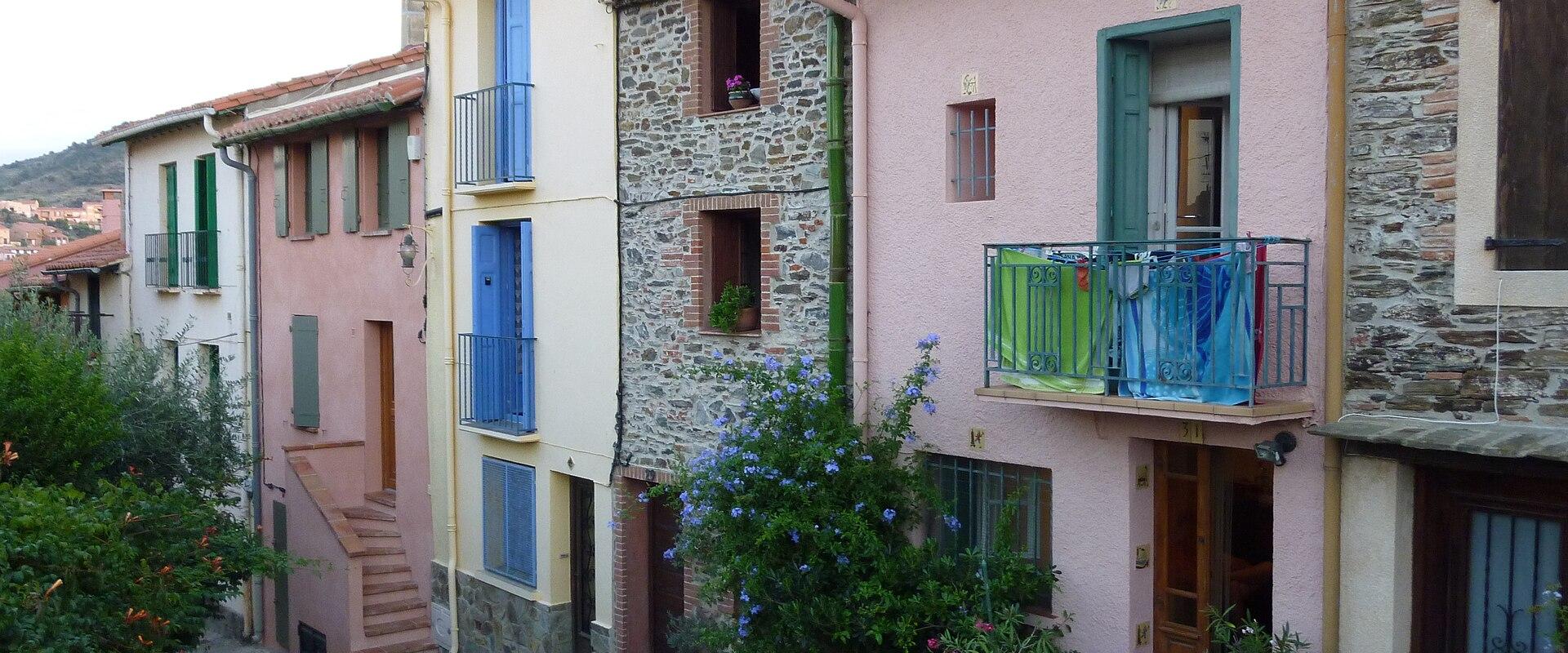
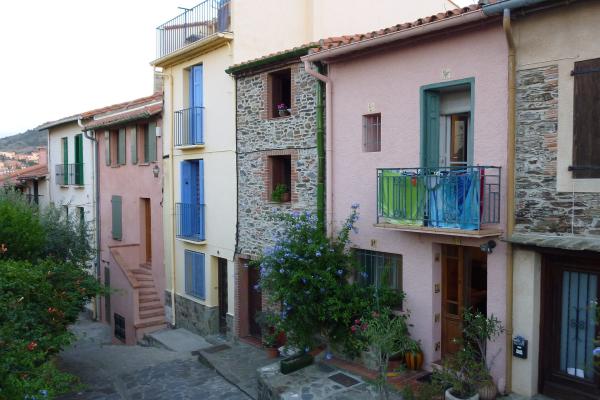
The old quarter of Collioure is a tangle of narrow, steeply sloping lanes that run between the castle, the church and the sea, and wandering through them is the best way to understand why artists fell in love with this small Catalan port. The quarter is known as the Mouré, and it lies on the western side of the bay, behind the old harbour. Its lanes are rarely straight and often end in steps, with tall houses leaning together overhead, so that the visitor passes from sunlight to shade and back again every few paces. Walls are painted in warm ochres, pinks and blues, and doors and shutters are bright with colour, while flower pots and bougainvillaea spill from balconies.
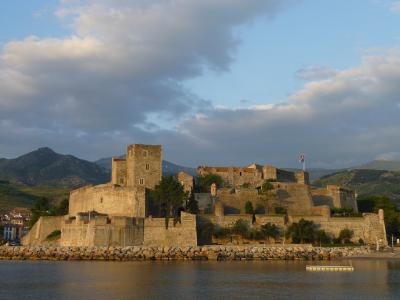
The layout reflects centuries of history. The town was a trading port from early medieval times, and in the late thirteenth and early fourteenth centuries it was a summer residence of the kings of Majorca, who held a small Mediterranean realm that stretched from the Balearic Islands to Roussillon and Montpellier. The Château Royal, which rises at the water's edge, is a reminder of that period. Later, when Roussillon passed to France in the seventeenth century, Vauban reshaped the fortifications, and the old quarter was squeezed within them, which helps explain the density and the tight corners of the streets. The church of Notre-Dame-des-Anges, rebuilt in the late seventeenth century, stands at the edge of the old quarter beside the sea, and its pink bell tower, once a lighthouse, is the symbol of the town.
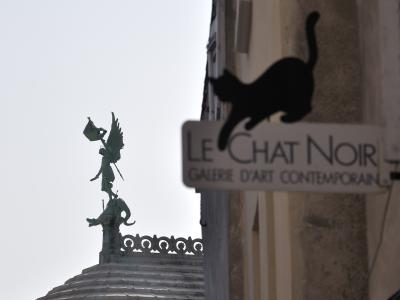
In 1905, Henri Matisse and André Derain spent the summer in Collioure, and the intense light, strong colours and clear lines of the town gave them the energy for a new way of painting that critics called Fauvism, from the French word for wild beasts. Later artists, including Picasso and Braque, also came. Today a trail called the Chemin du Fauvisme leads through the lanes and along the waterfront, with reproductions of the paintings placed at the very spots where they were painted, which is a lovely way to see how the town has changed and how it has stayed the same. The Galerie d'Art Contemporain and many small galleries in the old quarter continue the tradition of art.
Beyond art, Collioure is known for its anchovies, salted by hand in local workshops, and for the sweet and dry wines of nearby Banyuls and the Côte Vermeille, all of which can be sampled in the shops and bistros that line the lanes. The Port de Pêche, the fishing harbour, adds to the atmosphere with its boats and nets.
The lanes are free to explore and open at all times. Visit early or late to avoid the day crowds, wear shoes with grip for the steps and take time to follow the lanes upward for views over the roofs.
Categories
More photos coming soon
Nearby Attractions
Other places to visit in Collioure
Questions people ask
Quick Facts
Best Time to Visit
May to June and September to October offer mild weather and fewer crowds for optimal exploration.