







- Where
- Ajaccio, Corsica
- Directions
- Directions
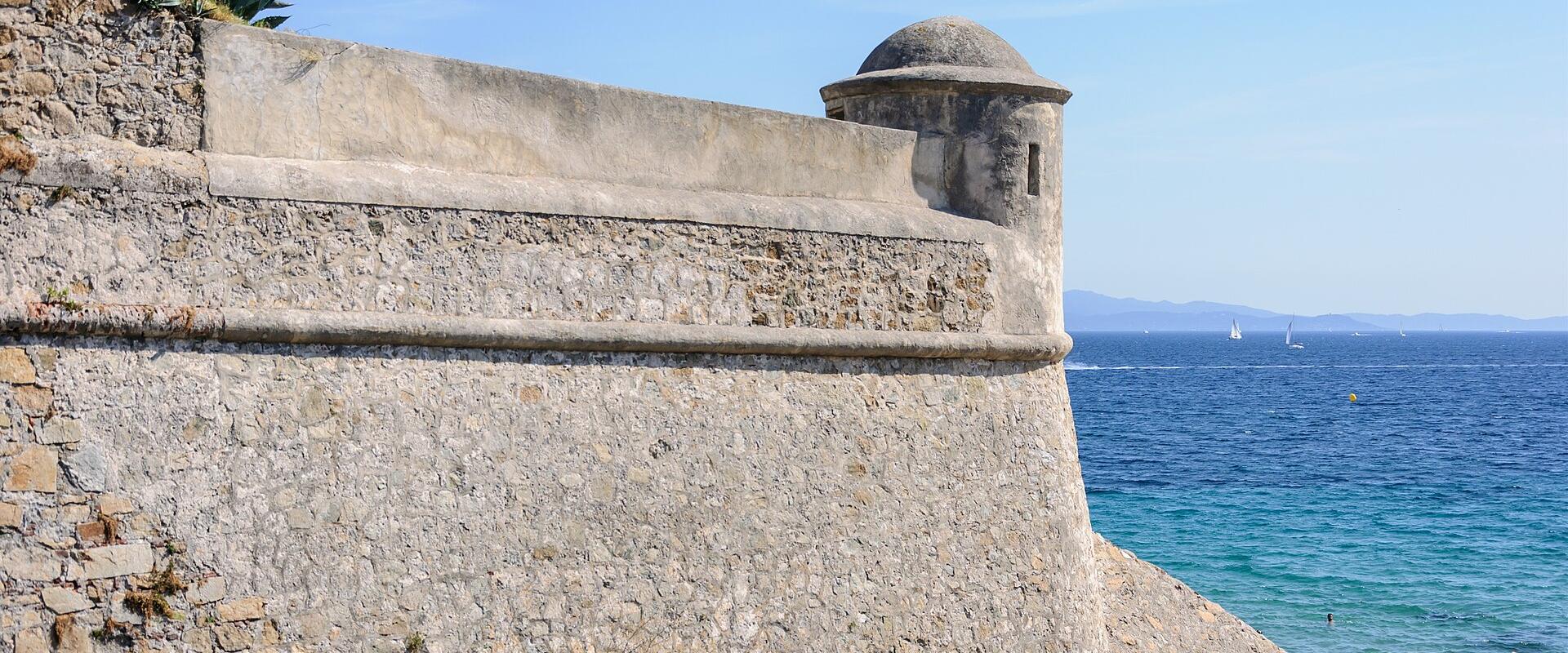
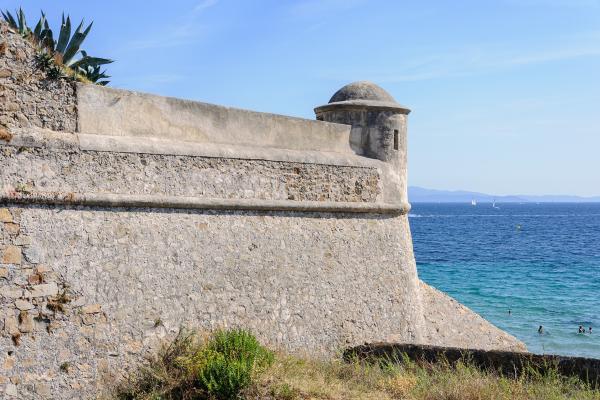
The Citadelle d'Ajaccio stands on the headland at the northern end of the old port, and its walls and bastions have guarded the town since the Genoese founded it. Ajaccio in its present position goes back to 1492, when the Republic of Genoa, through its bank, the Bank of Saint George, established a fortified town on the site as a base on the western coast of Corsica, and the first walls were raised in those years. The fortress was strengthened in the sixteenth century, in the age of gunpowder, with thick, low bastions, and the plan that visitors see on the map is typical of Renaissance military engineering. It sits on the point that separates the gulf from the harbour, and from its ramparts the view takes in the roofs of the town, the quays, the waters of the Gulf of Ajaccio and the mountains beyond.
For most of its history the citadel was a military site, and until recently it was reserved for the army, so access has been limited. Parts of the site have now been opened to civilians, and it is possible to visit certain areas, usually on guided visits or on set days, so check the current arrangements at the tourist office before planning. The areas that remain in military use are closed to the public. Because it is an active site and subject to change, the information about opening times and tickets is not always stable.
The citadel is part of the historical landscape that defines Ajaccio. The city was the birthplace of Napoleon Bonaparte, born in 1769 in a house in the old town that is now the Maison Bonaparte, a few minutes' walk from the citadel, and the whole centre has a Napoleonic flavour, with statues, streets and squares named after him and his family. The Palais Fesch, the fine arts museum built by Napoleon's uncle, Cardinal Fesch, holds one of the largest collections of Italian paintings in France, and the Chapelle Impériale, the chapel where Bonaparte family members are buried, stands next to it. Between the citadel and the town centre, the old port and the Place Foch have restaurants and cafés, and the market is held in the morning in Place Campinchi.
The pleasure of the citadel is largely the setting. From the shore path that runs beside the walls, the stone looks warm in the late afternoon, and the sea and the boats make a good picture. A walk around the outside of the citadel, along the water, gives views of the ramparts and the port, and it can be done in half an hour. The coast road continues toward the Sanguinaires, the headland at the western end of the gulf, which is famous for its sunsets.
The visit suits history lovers and photographers, and it gives a different view of Ajaccio from the more usual Napoleonic itinerary. Plan time for the Maison Bonaparte and the Palais Fesch, the Marché d'Ajaccio and the coastal path, the Sentier des Douaniers, which leads to the beaches and viewpoints of the coast, including Capo di Feno.
Categories
More photos coming soon
Nearby Attractions
Other places to visit in Ajaccio
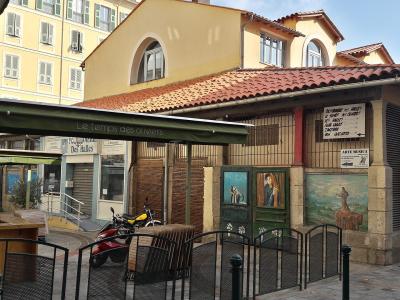
Marché d'Ajaccio
Daily Corsican market on Place Campinchi
Free City Centers · Local Cuisine
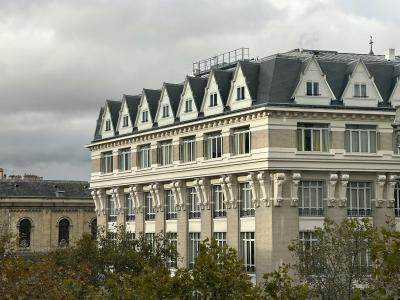
Fondation Fesch
19th-century palace housing Italian primitives
From €6 Historic Architecture · Museums & Culture
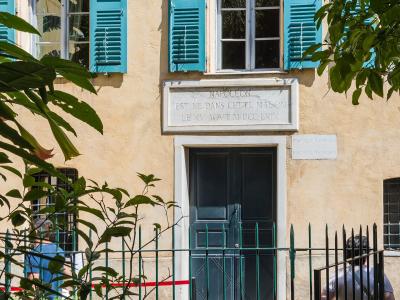
Maison Bonaparte
Napoleon's birthplace in Ajaccio's old town
From €10 Architectural Landmarks · History Museums
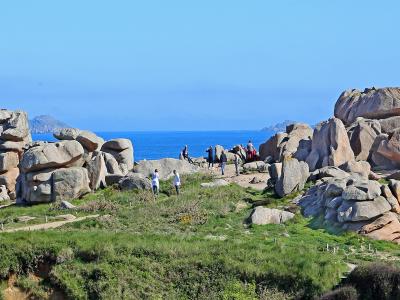
Sentier des Douaniers (Coastal Path)
Cliffside path with limestone caves and sea views
Cliffs · Coastal Promenades
Questions people ask
Quick Facts
Best Time to Visit
May to June and September to October offer warm weather and fewer crowds for optimal exploration.