







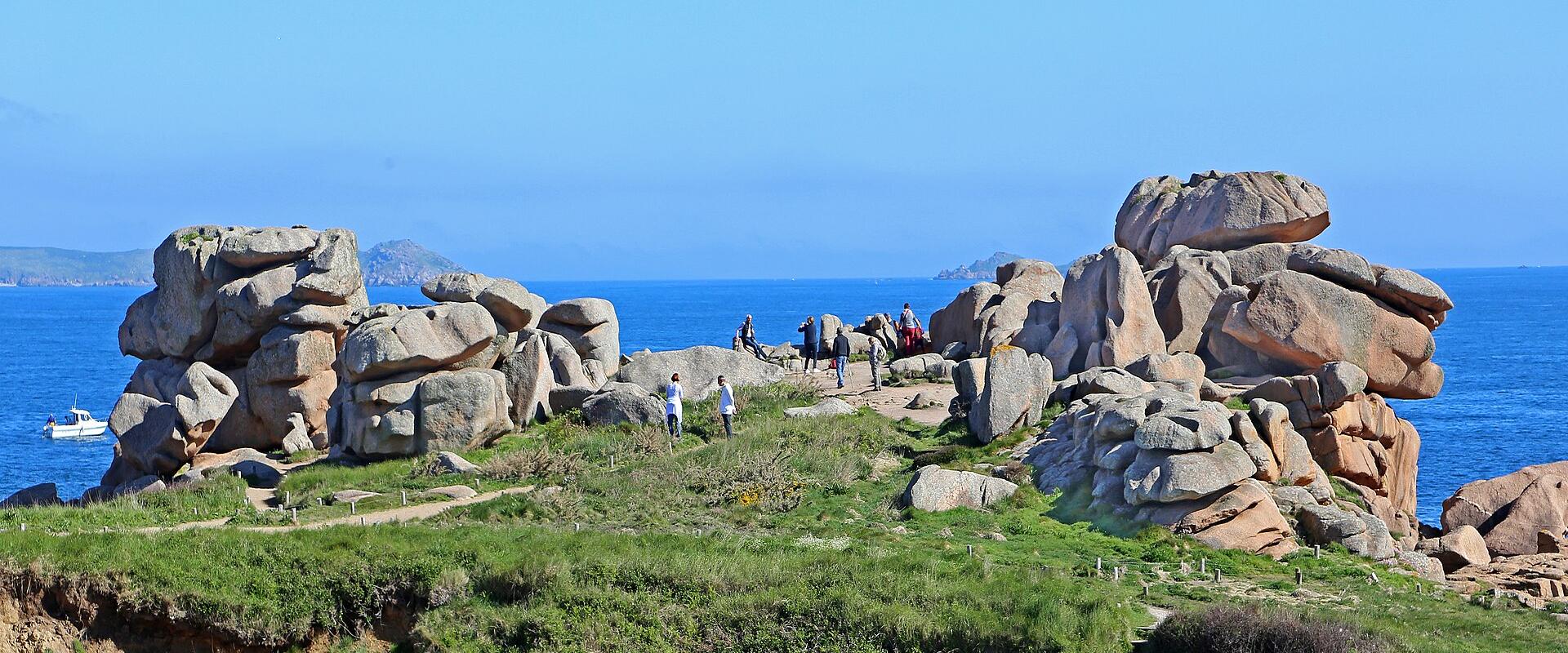
Sentier des Douaniers (Coastal Path)
Cliffside path with limestone caves and sea views
- Where
- Ajaccio, Corsica
- Directions
- Directions
West of Ajaccio, the road known as the Route des Sanguinaires runs for about a dozen kilometres along the shore of the gulf to the Pointe de la Parata, and from there the old customs path follows the coast through maquis toward the beaches of the north-west. The sentier des douaniers takes its name from the customs officers who patrolled the Corsican shore on foot, looking for boats that tried to land goods without paying duty. Today the same paths are used by walkers who come for the sea views, the scent of the scrub and the sunsets that make this stretch of coast the most photographed in Ajaccio.
The main sight along the way is the group of rocky islets called the Îles Sanguinaires, which lie just offshore from the Pointe de la Parata. The largest, Mezzu Mare, carries a Genoese tower and a lighthouse that has been working since the nineteenth century, and the name, meaning the bloody islands, is usually explained by the deep red colour the rocks take at sunset. The writer Alphonse Daudet described the lighthouse in his Lettres de mon moulin after a stay on the island. From the point you can see all of the islets lined up against the horizon, and the late-afternoon light on the water is the main reason to come at the end of the day. The Pointe de la Parata also has a Genoese watchtower of the sixteenth century, one of many that were built around the island's coast to guard against raiders from the sea.
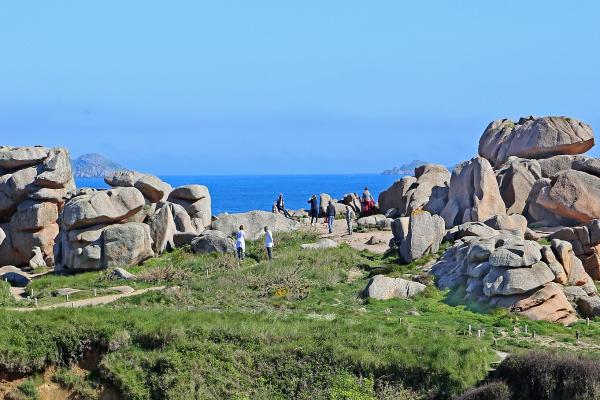
The path itself keeps close to the edge of the land, with views of the open sea and the coast of the gulf. It climbs and drops over rocky ground between low, scented vegetation, the maquis, which is a dense scrub of myrtle, cistus, strawberry tree, lentisc and wild rosemary, giving off a strong smell in warm weather. Pink granite outcrops, small coves and flat rocks used by swimmers and fishermen mark the way. The paths vary in difficulty, with short easy sections near the car parks and steeper, rougher stretches farther along, so wear sturdy shoes and carry water, since there is very little shade. Summer sun and wind can be intense, and in hot dry periods access to the maquis may be restricted for fire safety, so check conditions before setting out. Stay on the marked paths and away from unfenced cliff edges.
There is no charge for walking the path, and it is open at all times of the year. The tourist office in Ajaccio can supply maps and information on the routes. The beaches on this coast, including the exposed beach of Capo di Feno, are popular for surfing and swimming when the sea is calm.
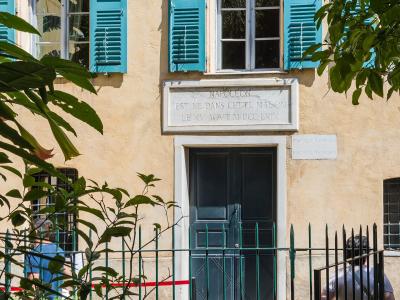
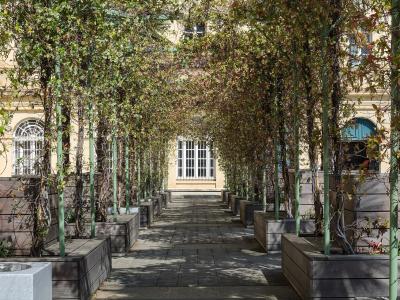
Back in the town, the Maison Bonaparte, the Palais Fesch with its collection of Italian paintings, the Citadelle d'Ajaccio and the Marché d'Ajaccio are easy to combine with a coastal walk. A visit to the path suits walkers, photographers and anyone who wants a taste of Corsican coastal scenery within easy reach of the city.
Categories
More photos coming soon
Nearby Attractions
Other places to visit in Ajaccio
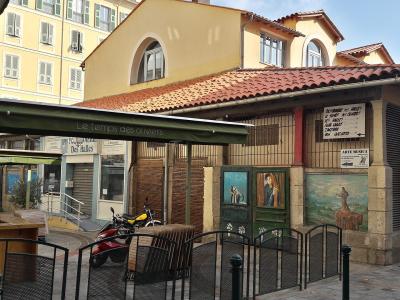
Marché d'Ajaccio
Daily Corsican market on Place Campinchi
Free City Centers · Local Cuisine
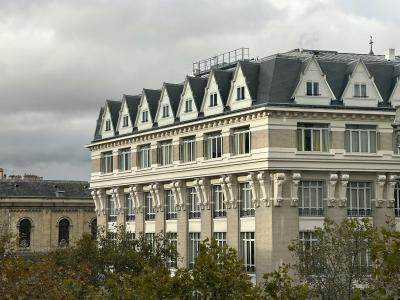
Fondation Fesch
19th-century palace housing Italian primitives
From €6 Historic Architecture · Museums & Culture
Maison Bonaparte
Napoleon's birthplace in Ajaccio's old town
From €10 Architectural Landmarks · History Museums
Palais Fesch
19th-century palace housing Cardinal Fesch's art collection
From €6 Historic Architecture · Museums & Culture
Questions people ask
Quick Facts
Best Time to Visit
May to June and September to October offer warm weather and fewer crowds for optimal exploration.