







- Admission
- No ticket prices listed
- Hours
- Usually open 8:00 AM to 6:30 PM; visits may be restricted during services.
- Where
- Issoire, Auvergne
- Directions
- Directions
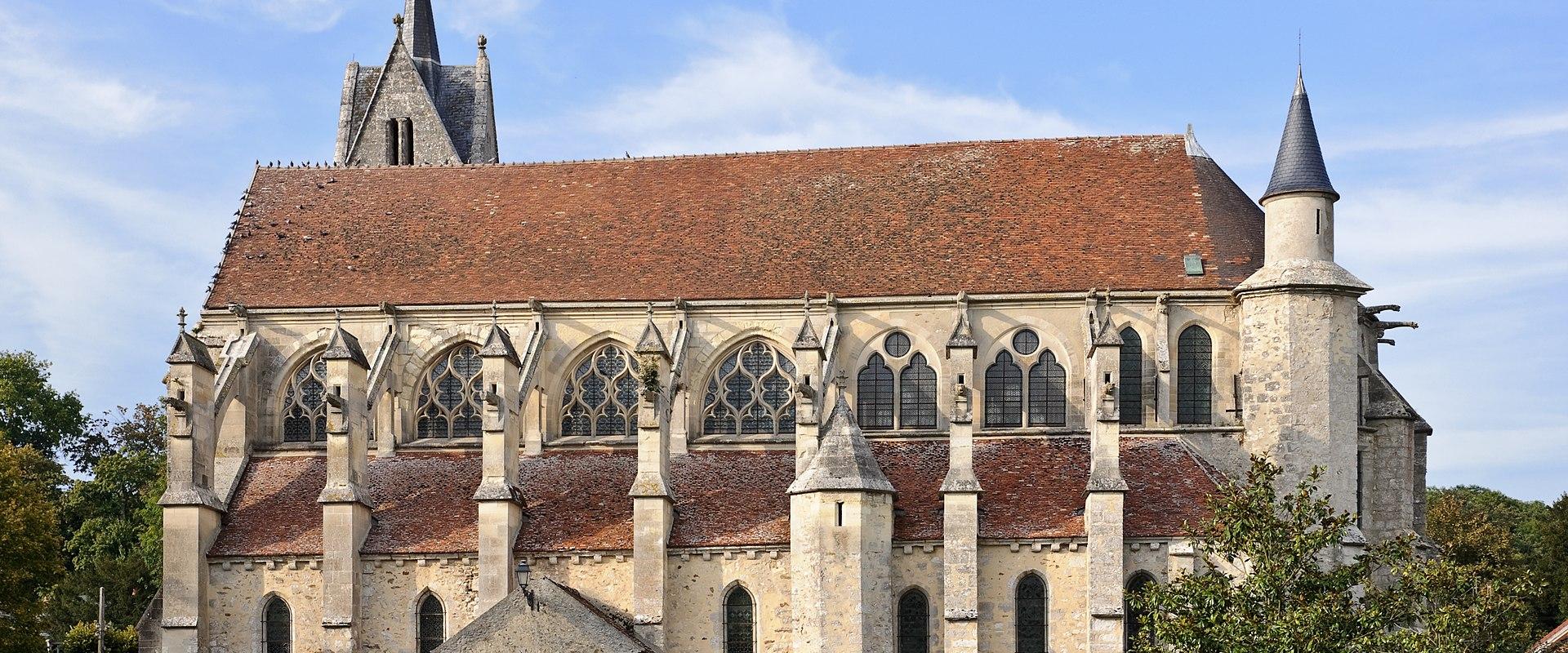
Issoire is a town on the Allier river, in the Auvergne, with a church that is one of the great monuments of Romanesque art in central France. The building that dominates the old town is large, solid and richly decorated, and it shows the sculptural tradition for which the Auvergne is known. It stands in the centre, a short walk from the market squares, and its long, rounded east end, with a cluster of apsidal chapels, is a textbook example of the regional style. The church is a place of worship and a monument, and visitors are welcome to look inside during opening hours.
The church belongs to a group known as the five great Romanesque churches of the Auvergne, along with those of Notre-Dame-du-Port in Clermont-Ferrand, Orcival, Saint-Nectaire and Saint-Saturnin. These buildings were built in the twelfth century by masons who shared a common design: a barrel-vaulted nave, with aisles and galleries, a transept topped by a tower and a choir surrounded by an ambulatory with radiating chapels. The exteriors are decorated with patterns made from local stones of different colours, creating a mosaic effect on the east end. The Issoire church has particularly fine carved capitals inside, with scenes from the Bible and from the life of Christ, as well as fantastic animals and foliage.
What sets this church apart is its painted interior. In the nineteenth century, the walls and columns were covered with colourful decoration in a medieval style, and the result is a rich and unusual effect, a reminder that Romanesque churches were originally painted. A large wall painting of the Last Judgment, dating from the seventeenth century, covers part of the west wall and adds a dramatic note. Visitors who enter from the bright street find themselves in a warm, coloured space where the patterns rise up the columns to the vaults.
The building has a long history. It was linked to an abbey said to have been founded in the sixth century, and the relics of Saint Austremoine, the first bishop of the Auvergne, were venerated here. The church and the town suffered during the Wars of Religion, and the building was restored in later centuries. The surrounding old town has houses of the sixteenth and seventeenth centuries and a clock tower, the Tour de l'Horloge, from the fifteenth century.
Issoire is a convenient base for exploring the Auvergne. The Saturday market is among the liveliest in the region, and the Parc Naturel Régional des Volcans d'Auvergne lies to the west, with its volcanic cones and lakes. Villages such as Saint-Nectaire, with its Romanesque church and its cheese, and Usson, a hilltop village with a ruined castle, can be visited in a day. The church suits lovers of architecture and sculpture and those who enjoy the Auvergne's heritage. Allow around forty minutes. Opening times vary by season, and visits may be restricted during services.
Categories
More photos coming soon
Hours & Fees
- Open
- Usually open 8:00 AM to 6:30 PM; visits may be restricted during services.
- Admission
- No ticket prices listed
Hours and prices change, especially out of season. Check with the venue before you go.
Nearby Attractions
Other places to visit in Issoire
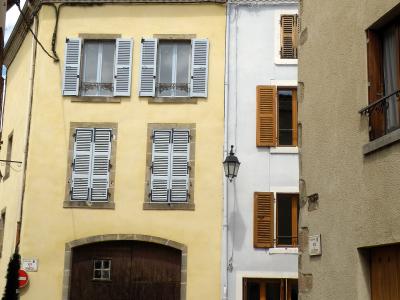
Vieux Issoire (Old Town)
Historic arcaded houses and the Tour de l'Horloge
Historic Architecture · Urban Exploration
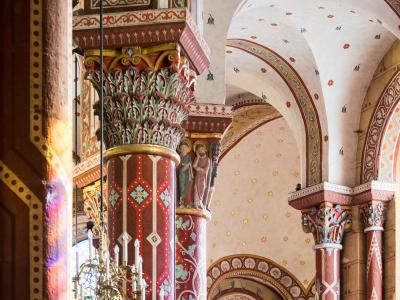
Église Saint-Austremoine
12th-century Romanesque abbey with sculpted zodiac
Free Historic Architecture
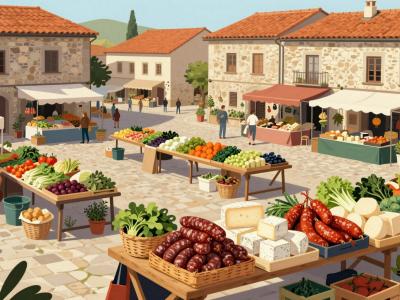
Marché d'Issoire
Weekly market in historic Auvergne town
Free Local Cuisine · Markets
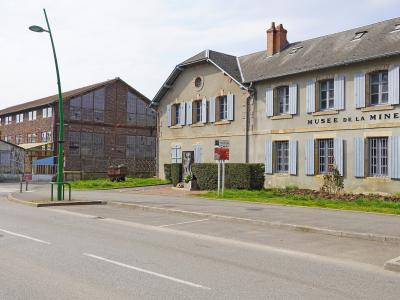
Musée de la Mine
Mining museum in Brassac-les-Mines, Issoire
From €7 Museums & Culture
Questions people ask
Quick Facts
Best Time to Visit
May through September offers mild weather ideal for exploring historic sites and outdoor activities.