







- Admission
- €7 for guided tour
- Where
- Issoire, Auvergne
- Directions
- Directions
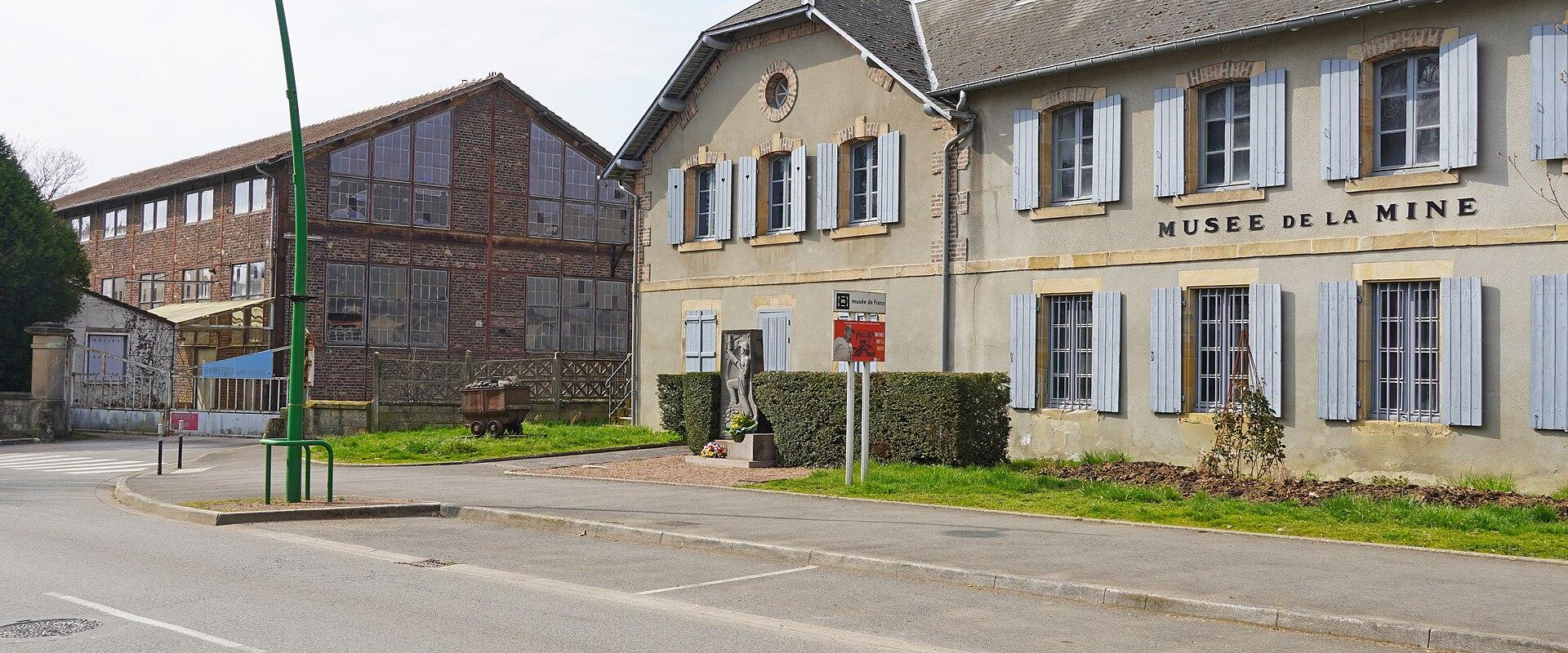
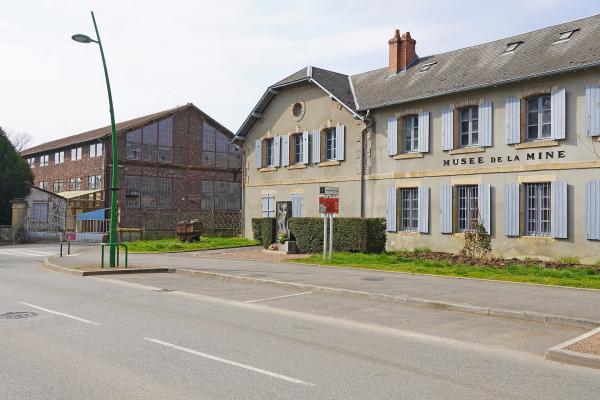
The Musée de la Mine is in Brassac-les-Mines, a small town in the valley of the Allier, about ten kilometres south of Issoire in the Puy-de-Dôme, and it tells the story of the miners who worked the coal basin of Brassac. The Brassac basin was a coalfield, not a lead and zinc mine, one of several small coalfields of the Massif Central that supplied fuel for local industry and for the railways, and the mines operated for generations before they closed in the later twentieth century. The museum is housed on a former mining site and is run by people who know the work at first hand, which makes it unusually personal.
The visit is a guided tour, and that is its strength. Guides, among them former miners, lead small groups through the reconstructed galleries underground, where the narrow tunnels, the low ceilings and the darkness give a direct impression of the conditions in which the men worked. The galleries are set up with the equipment that was used, such as the wooden props, the picks and drills, the lamps, the wagons and the ventilation systems, and the guides explain how the coal was cut, loaded and brought to the surface. Miners in coalfields like this one worked in cramped, hot, dusty conditions, often lying on their sides to hack at the seam, and the risks of rock falls, flooding, explosions of firedamp gas and lung disease were constant. The tour does not hide these dangers, but it does not dwell on them, and the tone is one of respect.
Above ground, the museum has exhibitions of tools, machinery, photographs and documents. It also tells the story of the miners' lives, of the villages built around the pits, of the families, the unions and the fight for better conditions, and of the effects of the closure on the community. Recorded testimonies from former miners add a human dimension. Visitors learn about the geology of the basin, formed when swamp forests of the Carboniferous period were buried and turned into coal about three hundred million years ago.
The tour lasts about two hours, with a charge of a few euros for the guided visit. Because the guides are often volunteers or part-time, tours are offered at set times and need to be booked, so check the schedule and reserve ahead. Wear sturdy shoes and a warm layer, as it is cool underground, and be aware that the passages are narrow and low, which may not suit anyone who is claustrophobic or has difficulty walking.
Issoire, the nearest town, has a fine Romanesque church, the abbey church of Saint-Austremoine, the largest Romanesque church in the Auvergne, as well as a clock tower, a market and the old town. The valley of the Allier and the volcanic mountains of the Sancy massif lie nearby. The museum suits families with older children, industrial history fans and anyone interested in the human side of the past.
Categories
More photos coming soon
Admission Fees
- Admission
- €7 for guided tour
Hours and prices change, especially out of season. Check with the venue before you go.
Nearby Attractions
Other places to visit in Issoire
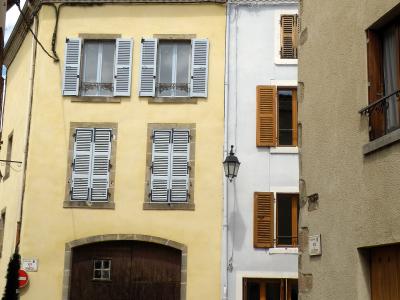
Vieux Issoire (Old Town)
Historic arcaded houses and the Tour de l'Horloge
Historic Architecture · Urban Exploration
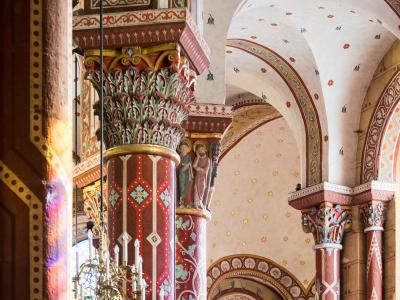
Église Saint-Austremoine
12th-century Romanesque abbey with sculpted zodiac
Free Historic Architecture
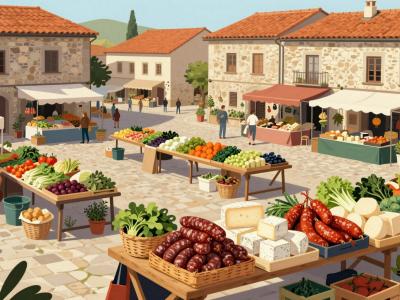
Marché d'Issoire
Weekly market in historic Auvergne town
Free Local Cuisine · Markets
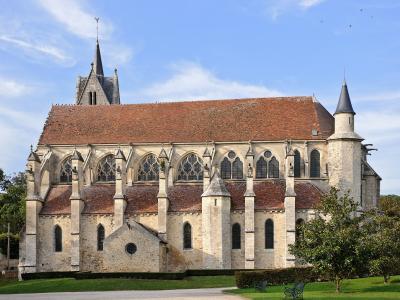
Collégiale Notre-Dame-de-l'Assomption
12th-century Romanesque church in Auvergne
Churches
Questions people ask
Quick Facts
Best Time to Visit
May through September offers mild weather ideal for exploring historic sites and outdoor activities.