







History
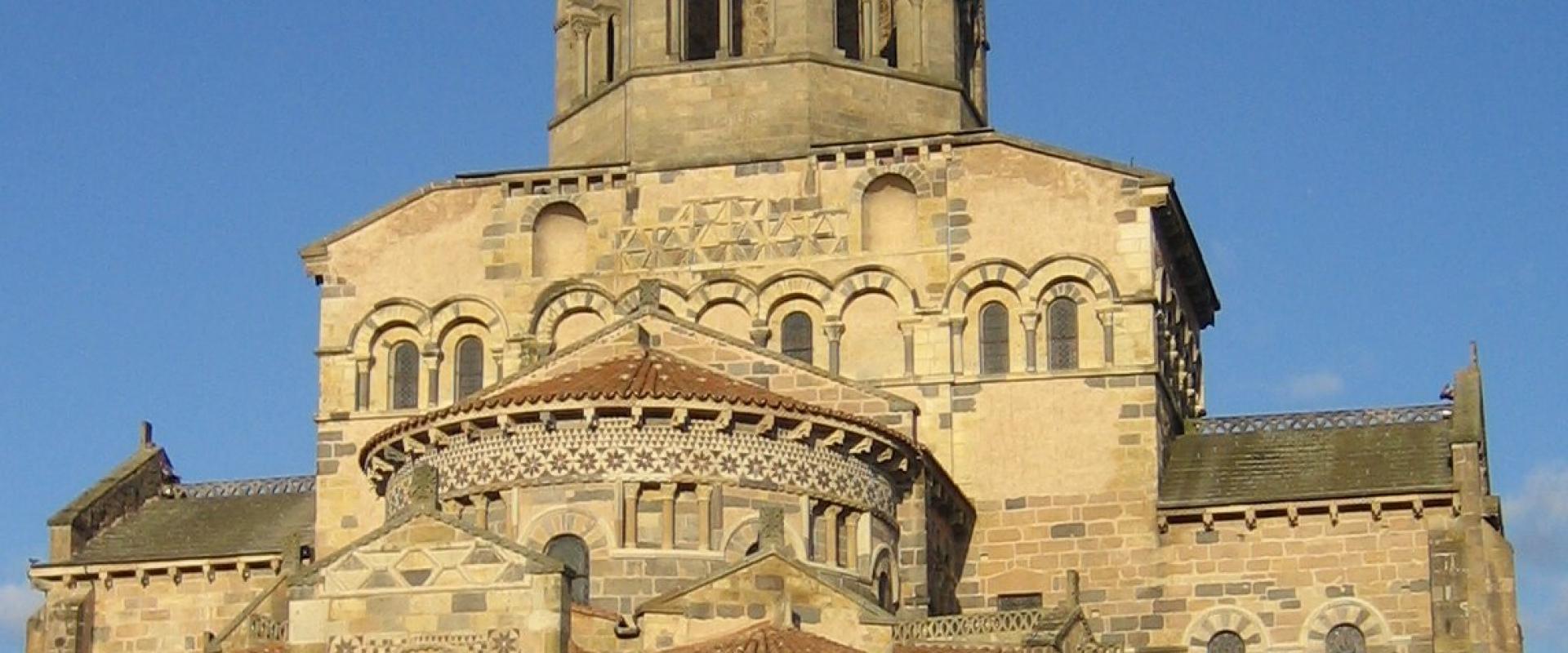
Issoire is a town where history is not merely preserved but lived, rooted deeply in the spiritual and architectural legacy of the Auvergne region. Situated in the Puy-de-Dôme department, its origins are tied to its strategic position at the confluence of the Allier and Couze Pavin rivers. For centuries, it served as a significant religious center, a status cemented by the founding of the Abbey of Saint-Austremoine in the 6th century. The town’s identity is inextricably linked to this monastic heritage, which flourished through the Middle Ages and left an indelible mark on the local landscape. As a historic town, Issoire has maintained its character despite the passage of time, evolving from a medieval pilgrimage stop into a vibrant community that honors its past while embracing modern life. Its location, approximately 25 minutes south of Clermont-Ferrand, has historically made it a gateway between the northern plains and the southern volcanic highlands, fostering a unique cultural blend that persists today.
Main Attractions
The crown jewel of Issoire is undoubtedly the Abbey Church of Saint-Austremoine, a masterpiece of 12th-century Romanesque art. This architectural marvel features a striking facade and a richly decorated interior that draws visitors from across Europe. The abbey stands as a testament to the town’s religious significance and artistic heritage. Beyond the abbey, the historic town center invites exploration with its picturesque streets and traditional Auvergne architecture.
For those willing to venture slightly further, the surrounding region offers exceptional cultural sites. Usson, often cited as one of the "most beautiful villages in France," is a short drive away and offers stunning views and well-preserved medieval structures. Nearby, Montpeyroux provides another glimpse into rural French heritage, while the Château de Villeneuve-Lembron showcases the grandeur of Renaissance châteaux. The region is also known for its natural wonders, including the Cézallier volcanic plateau and the Valley of the Saints, where ancient stone crosses dot the landscape, reflecting the deep spiritual connection of the local people to their land.
Activities
Issoire serves as an excellent base for outdoor enthusiasts and culture seekers alike. The surrounding volcanic landscapes offer diverse opportunities for hiking, mountain biking, and trail running. The rugged terrain of the Monts Dore range, including the nearby Puy de Sancy, provides challenging trails for experienced hikers and scenic walks for casual explorers. Road cyclists frequently traverse the region, drawn by the rolling hills and quiet country roads.
Cultural activities are equally abundant. Visitors can engage in wine tasting, sampling local Amethyst wines produced in the vineyards of Auvergne. The Auvergne Animal Park offers a family-friendly experience, allowing guests to observe local wildlife in naturalistic settings. For those interested in crafts and local products, the town hosts regular farmers' markets and exhibitions, providing insight into the region’s agricultural traditions. The area is also renowned for its amethysts, and visitors can explore local shops and geological sites to learn about this unique natural resource.
Getting There
Issoire is easily accessible by road, located just south of Clermont-Ferrand. The A75 motorway provides a direct link to the town, making it convenient for travelers coming from Lyon, Paris, or Toulouse. For those preferring rail travel, the nearest major train station is in Clermont-Ferrand, from which buses or rental cars can take you to Issoire in approximately 25 minutes. The town’s central location in the Auvergne region makes it a practical hub for exploring the broader area, including the volcanic parks and historic villages.
Best Time to Visit
The best time to visit Issoire depends on your interests. Summer months offer warm weather ideal for hiking and outdoor activities, with temperatures often reaching comfortable levels for exploring the volcanic landscapes. Spring and autumn provide mild conditions, perfect for sightseeing and wine tasting, with fewer crowds and vibrant seasonal colors. Winter brings a quieter atmosphere, suitable for those seeking peace and a deeper connection to the town’s historical sites, though some outdoor activities may be limited by weather conditions. Regardless of the season, Issoire offers a unique blend of history, nature, and culture that rewards visitors year-round.
Best time to visit
May through September offers mild weather ideal for exploring historic sites and outdoor activities.
What to see in Issoire
Our picks first.
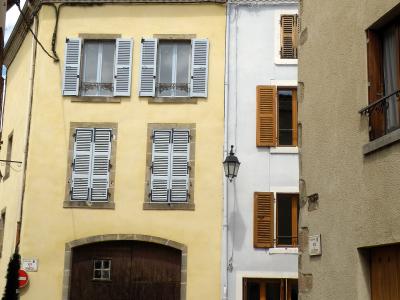
Vieux Issoire (Old Town)
Historic arcaded houses and the Tour de l'Horloge
Historic Architecture · Urban Exploration
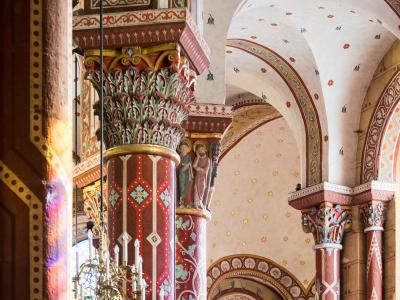
Église Saint-Austremoine
12th-century Romanesque abbey with sculpted zodiac
Free Historic Architecture
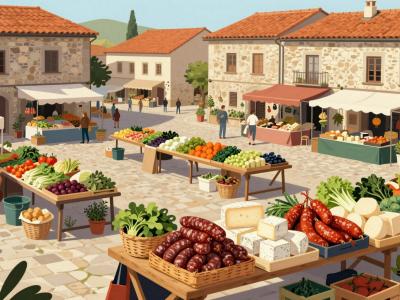
Marché d'Issoire
Weekly market in historic Auvergne town
Free Local Cuisine · Markets
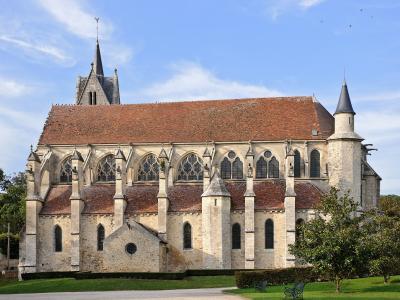
Collégiale Notre-Dame-de-l'Assomption
12th-century Romanesque church in Auvergne
Churches
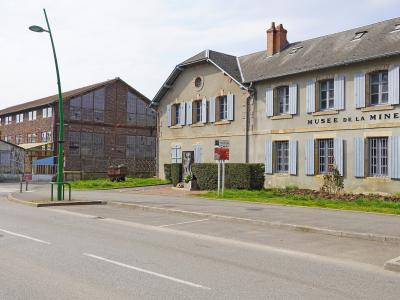
Musée de la Mine
Mining museum in Brassac-les-Mines, Issoire
From €7 Museums & Culture
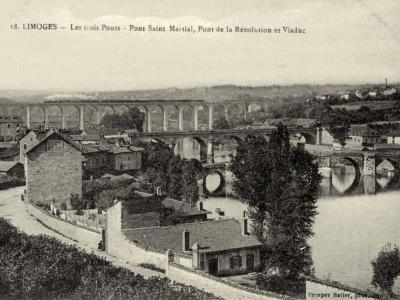
Pont de la Révolution
17th-century bridge in historic Issoire
Historic Architecture
Issoire by interest
The same sights, grouped by what you came for.
Planning a visit to Issoire
Good to know
- Currency
- EUR
- Language
- French
Quick Facts
Book your stay
Questions people ask
More places in Auvergne
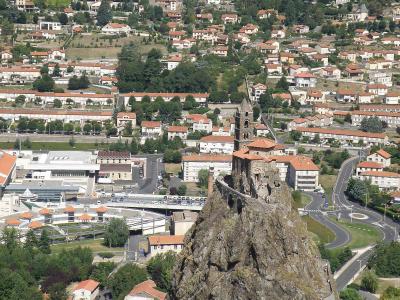
Auvergne
Le Puy-en-velay
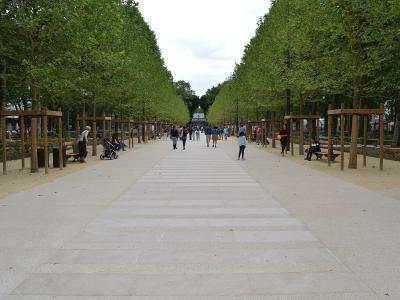
Volcanic town and starting point of the Way of St. James
Auvergne
Vichy
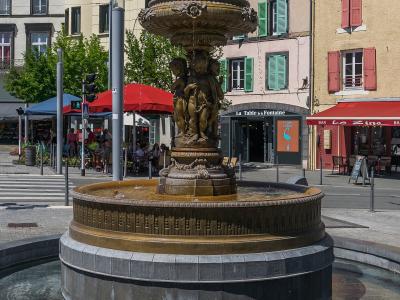
Historic spa town on the Allier River with Belle Époque architecture
Auvergne
Clermont-ferrand
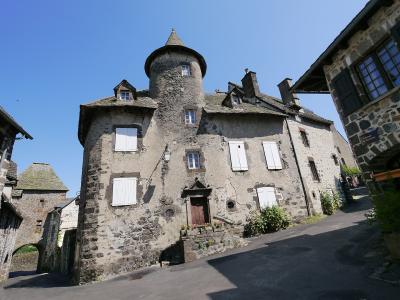
Volcanic Auvergne capital with black stone architecture and Michelin heritage
Auvergne
Salers
Medieval village on volcanic plateau known for cheese and cattle