







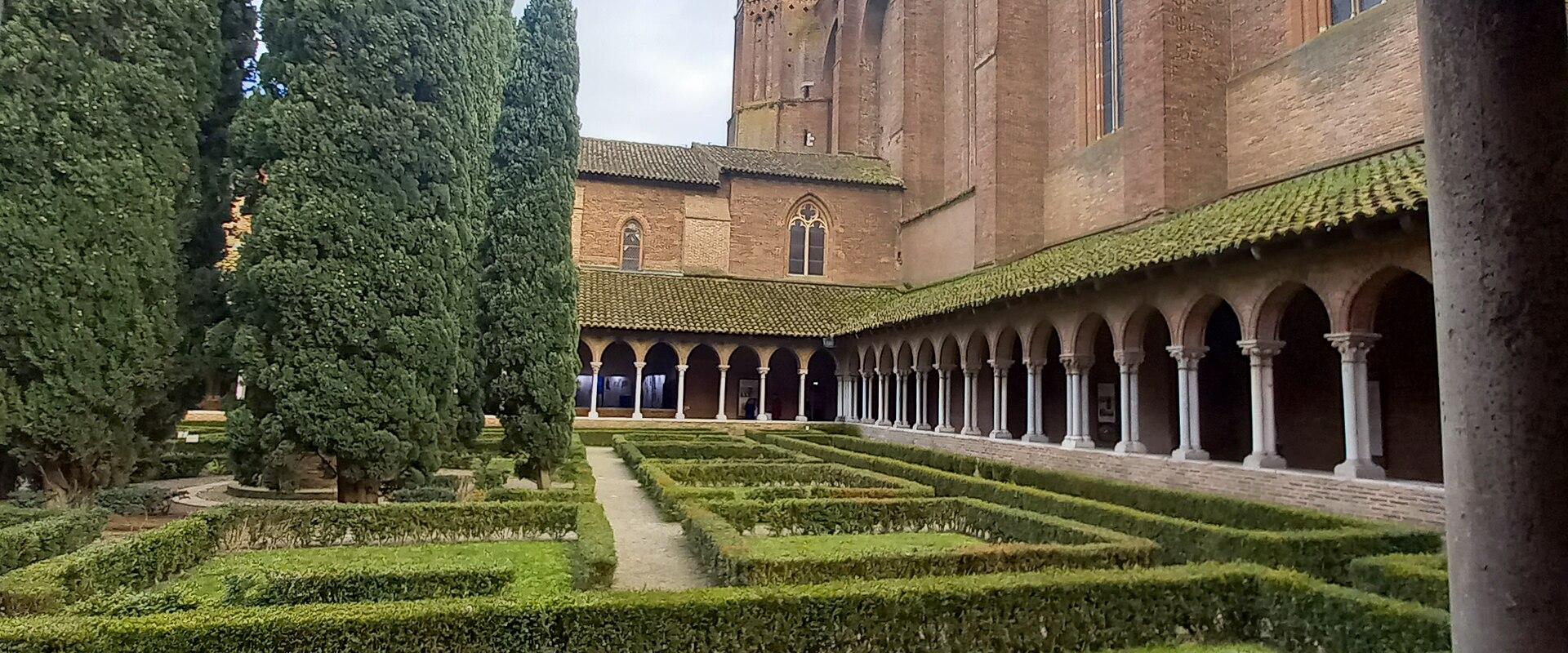
- Admission
- 5€ adults, 3€ reduced, free under 6
- Hours
- Thursday through Sunday 10:00 to 18:00
- Where
- Toulouse, Midi-Pyrénées
- Directions
- Directions
The Couvent des Jacobins is one of the greatest monuments of Gothic architecture in the south of France and the place where the Dominican order was born. It stands in the centre of Toulouse, a short walk from the Capitole, and its walls of pink brick, the characteristic building material of the city, rise above a quiet square. Today, the convent houses a museum and cultural space, and its church, cloister and chapels are open to visitors, who find in them a calm, luminous interior that comes as a surprise after the busy streets outside.
The story begins in the early thirteenth century. Dominic de Guzmán, a Castilian priest, came to the Languedoc to preach against the Cathar heresy and, in 1215, founded in Toulouse a community of preaching friars with the support of the bishop. This was the first house of the order that became the Dominicans, who were also known in France as Jacobins, after the Rue Saint-Jacques in Paris where their convent stood. The Toulouse convent was soon enlarged, and the church was built in several phases through the thirteenth and fourteenth centuries, with a bell tower finished at the end of the thirteenth century that became a model for the octagonal brick towers of the region.
The church is exceptional. Its nave is divided in two by a central row of columns, forming a double nave, a plan that reflects the Dominicans' need for a large space for preaching. The columns are very slender and tall, and at the east end they open into a spectacular fan of ribs, known as the palm tree, which spreads over the vault in twenty-two branches. It is one of the most celebrated pieces of vaulting in Gothic architecture, and standing beneath it gives an impression of extreme lightness. The walls are painted with decoration that imitates marble and other stonework, and the stained glass casts coloured light across the brick. Beneath the high altar lie the relics of Saint Thomas Aquinas, the great theologian of the order, who died in 1274 and whose body was brought to Toulouse in 1369.
The convent buildings include a cloister of the late Middle Ages, with slender columns and a calm garden, as well as chapels and a chapter house where the friars gathered. After the Revolution, the convent was turned into a barracks and stables, and it was restored in the twentieth century. Concerts of classical and early music take place in the church, since the acoustic is excellent, and temporary exhibitions are held in the buildings. The museum offers interactive tablets and trails for families, and it explains the history of the site.
The convent is part of a rich architectural heritage in Toulouse, known as the Pink City. The Basilique Saint-Sernin, the largest Romanesque church in Europe, the Capitole, the Hôtel d'Assézat and the Musée des Augustins are within easy reach. The covered Marché Victor Hugo, the Garonne river and the Canal du Midi offer other pleasures, and the Cité de l'Espace is a space-themed attraction on the edge of the city. The museum suits architecture lovers, families and anyone interested in medieval religion. Allow one to two hours. Opening days and hours vary, so check before going.
Categories
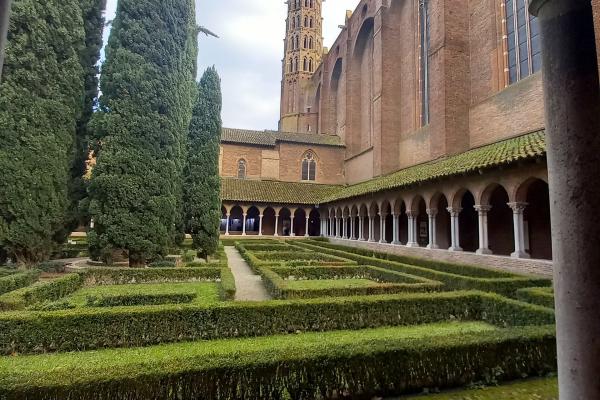
More photos coming soon
Hours & Fees
- Open
- Thursday through Sunday 10:00 to 18:00
- Admission
- 5€ adults, 3€ reduced, free under 6
Hours and prices change, especially out of season. Check with the venue before you go.
Nearby Attractions
Other places to visit in Toulouse
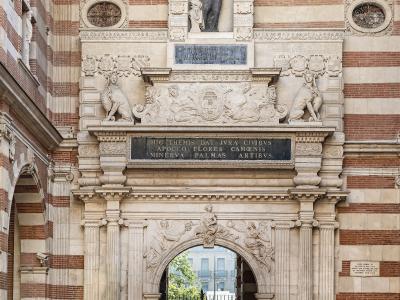
Capitole de Toulouse
Pink-brick 1750 town hall and opera house
Free Historic Architecture · Museums & Culture

Cité de l'Espace
Space museum with a 52m Ariane 5 rocket and Apollo 15 moo...
Museums & Culture
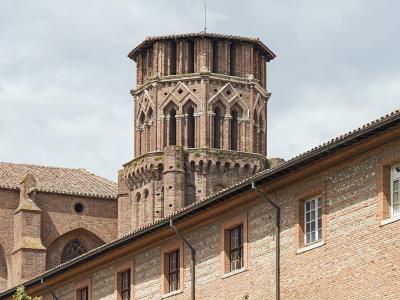
Musée des Augustins
14th-century monastery housing fine arts
From €3 Historic Architecture · Museums & Culture
Marché Victor Hugo
Covered market with 80 stalls and upstairs restaurants
Free Food & Wine · Urban Exploration
Questions people ask
Quick Facts
Best Time to Visit
Early June to late September offers warm weather and ideal conditions for outdoor activities and sightseeing.