







- Hours
- Open between April and September
- Where
- Quimper, Brittany
- Directions
- Directions
Quimper has been making painted earthenware for more than three centuries, and the Musée de la Faïence tells that story in the quarter where it began. It is in the Locmaria district, on the bank of the Odet river south of the old town, close to the Romanesque priory church of Locmaria and the working pottery that still produces the colourful tableware known across France as Quimper faïence. The district has the feeling of a village within the city, and the museum is part of a small circuit that includes the factory and its shop.
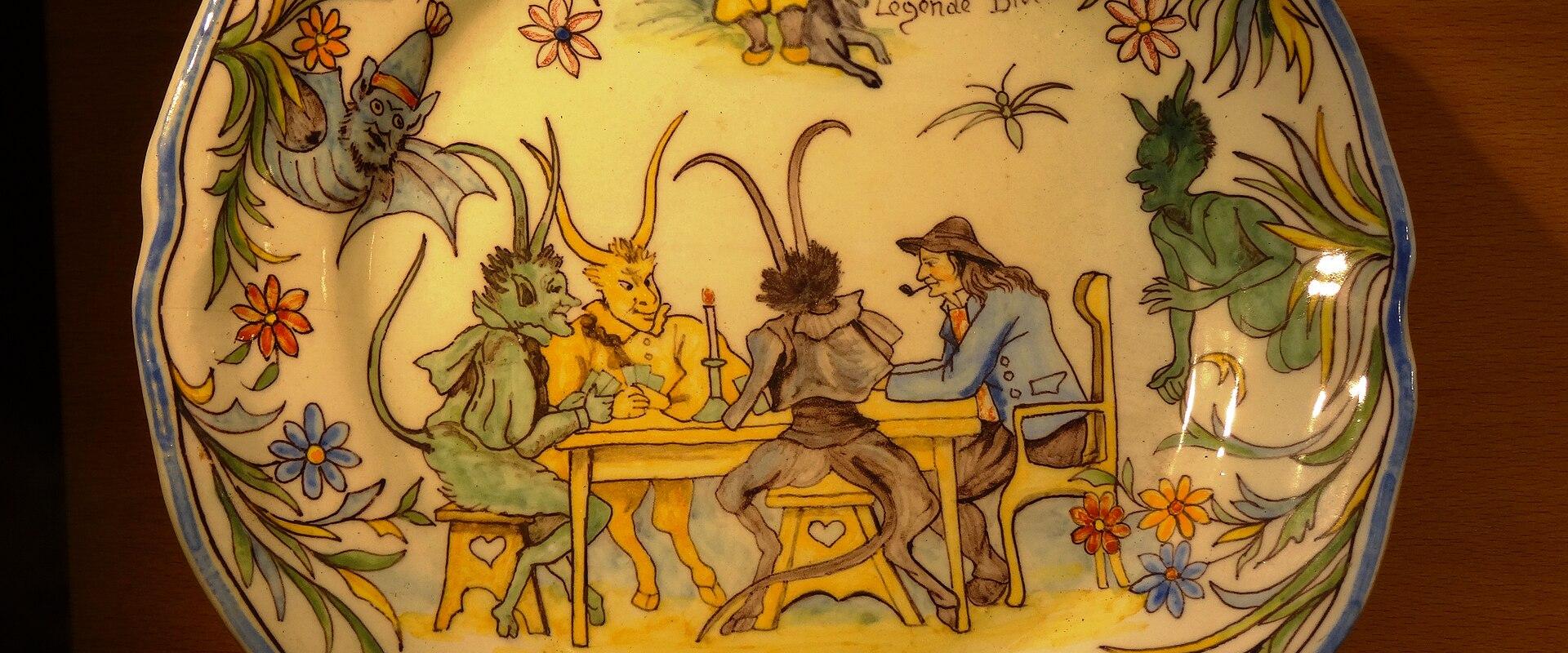
The tradition began in 1690, when Jean-Baptiste Bousquet, a potter from the south of France, set up a workshop at Locmaria, using local clay and the technique of tin-glazed earthenware that was fashionable across Europe. The pottery flourished in the eighteenth and nineteenth centuries, when several workshops competed in the quarter, and its products became part of the identity of Brittany. The designs developed from simple floral patterns to scenes of Breton life, in which men and women in traditional costume, painted by hand in bright blues, yellows, greens and reds, became the emblem of the factory. Today, the workshops continue to decorate by hand, and the museum shows how the craft developed.
The museum displays several hundred pieces on two levels, selected from a larger reserve. They include plates, bowls, jugs, vases, statuettes and decorated panels, arranged to show the evolution of styles and techniques. Exhibits explain how the clay is shaped and fired, how the tin glaze is applied and how the painters work, and they show the range of motifs that Quimper artists used, from the little Breton figures with their wide-brimmed hats and lace headdresses to flowers, birds, religious subjects, and later Art Deco and modernist patterns. Seasonal exhibitions explore themes in more depth, and the museum is accessible to visitors with reduced mobility.
The pottery tradition is part of Quimper's wider character as a city of Breton culture. The Cathédrale Saint-Corentin, with its twin spires and the statue of King Gradlon between them, rises above the old town, and the Musée Départemental Breton, housed in the former bishop's palace, shows the regional costumes, furniture and archaeology of Finistère. Narrow lanes with timber-framed houses lead down to the quays of the Odet, and every July the Festival de Cornouaille fills the streets with Breton music and dance. The Place de la Cathédrale and the Quartier de la Cornouaille are good places to walk.
The museum suits anyone interested in crafts, design and Breton heritage. A visit takes an hour or so, and it can be combined with the pottery's shop, where the pieces can be bought. The museum is open between April and September, and the hours may change, so confirm before you go. A walk along the river from the old town to Locmaria takes about fifteen minutes and is pleasant in good weather.
Categories

More photos coming soon
Opening Hours
- Open
- Open between April and September
Hours and prices change, especially out of season. Check with the venue before you go.
Nearby Attractions
Other places to visit in Quimper
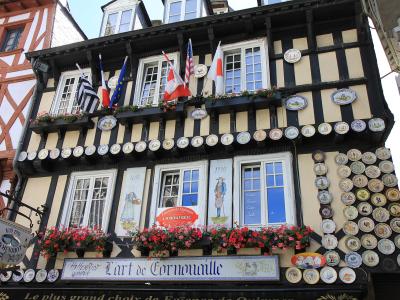
Quimper Ceramics (Faïencerie)
300-year-old Breton faience factory and museum
Museums & Culture · Craft Workshops
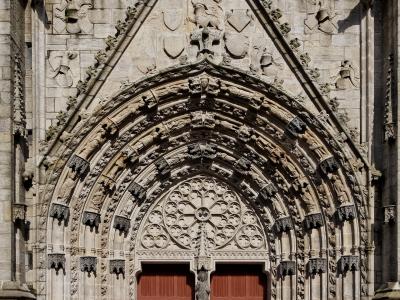
Cathédrale Saint-Corentin
Breton Gothic cathedral with openwork spires
Architectural Landmarks · Churches
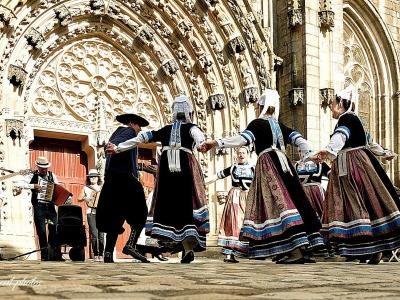
Place de la Cathédrale
Gothic cathedral dominating Quimper's old town
Free Churches · Historic Towns
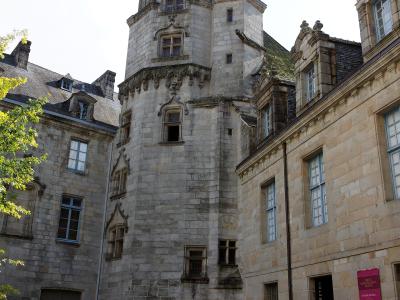
Musée Départemental Breton
16th-century palace housing Breton archaeology and Quimpe...
Historic Architecture · Museums & Culture
Questions people ask
Quick Facts
Best Time to Visit
Late June to early September offers warm weather and ideal conditions for outdoor activities and sightseeing.