







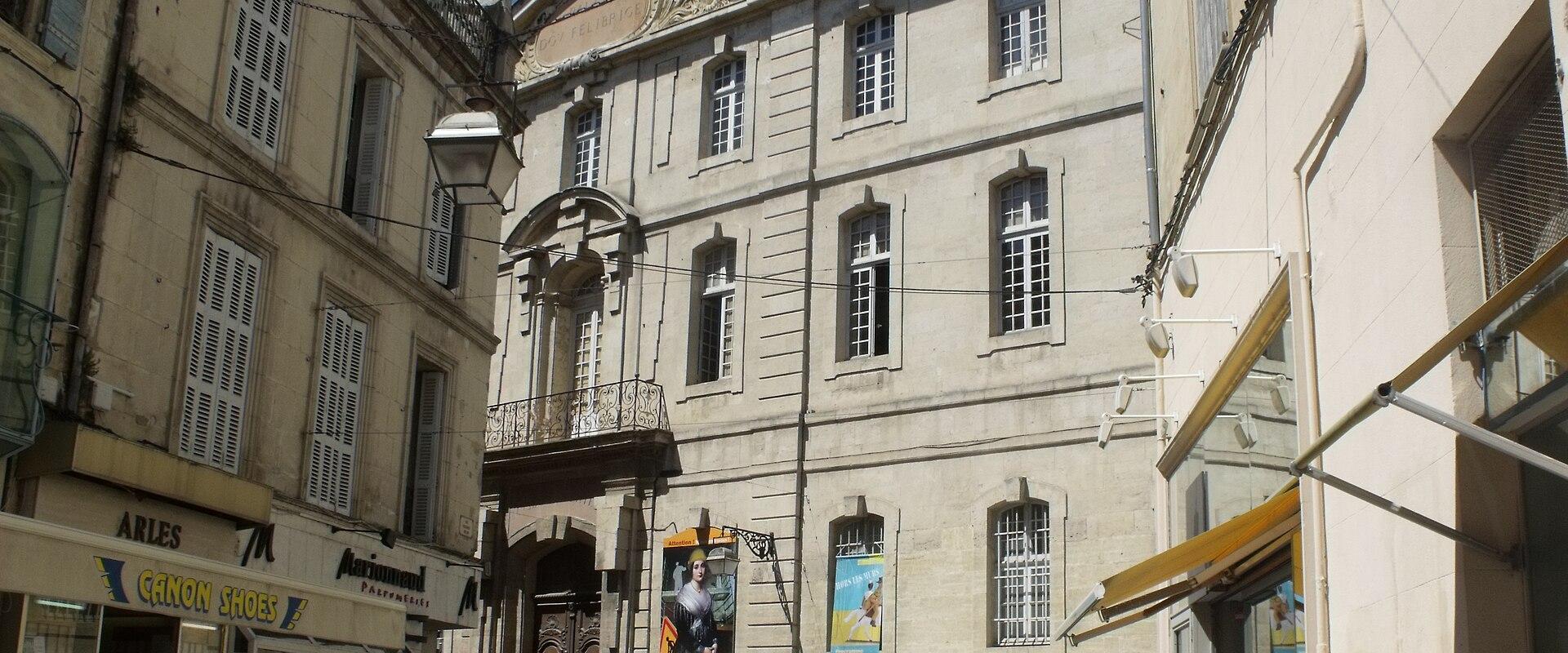
- Where
- Arles, Provence-Alpes-Côte d'Azur
- Directions
- Directions
Arles has some of the richest Roman remains in France, and the museum devoted to them stands on the bank of the Rhône, in a boldly modern building. The Musée départemental Arles antique, also known as the Musée de l'Arles et de la Provence antiques, was designed by the architect Henri Ciriani and opened in 1995. Its long, deep blue triangular form was built on the site of the Roman circus, the chariot-racing track, and its calm geometry contrasts with the ancient stones and the old town in the distance. The museum is dedicated to the history of Arles and Provence from prehistory to late antiquity, and it holds one of the most important archaeological collections in Europe.
The Roman city of Arelate was one of the most important in Gaul. It became a colony of Julius Caesar's veterans in the first century BC, and under the emperor Constantine it grew into a major administrative centre, with an imperial palace, baths, a theatre, an amphitheatre and a circus. Its position at the head of the Rhône delta, where the river divides and flows to the sea, made it a great river port, linking the Mediterranean with the interior. The museum's collections trace this history through statues, mosaics, inscriptions, sarcophagi, everyday objects and architectural fragments, arranged in galleries that follow the stages of the city's development.
Several pieces are highlights. A marble bust of Julius Caesar, found in the Rhône in 2007 during underwater excavations and thought to be among the oldest known portraits of him made in his lifetime, is a star exhibit. The museum also displays an almost complete Roman river barge, a cargo boat about thirty metres long, which was recovered from the Rhône and conserved over several years, and it gives a vivid sense of how goods were shipped to and from the city. Magnificent mosaics, some of them taken from the floors of Roman villas, show scenes of mythology and daily life, and a collection of carved sarcophagi from the cemeteries of Arles reflect the early Christian community. Smaller objects, such as coins, statuettes, glassware and vases, show the daily life of the people.
The museum is part of a wider archaeological landscape. The Roman amphitheatre, which still hosts bullfights and concerts, the ancient theatre, the Cryptoportiques beneath the forum, the baths of Constantine and the necropolis of the Alyscamps, form a circuit through the city that is part of a UNESCO World Heritage Site. In the town, the Museon Arlaten, founded by the poet Frédéric Mistral, presents the traditions of Provence, including the costume of the Arlésienne, the local woman's dress with its distinctive lace shawl and headdress that became a symbol of Provençal identity. Van Gogh, who painted in Arles in 1888 and 1889, is remembered at the Fondation Vincent van Gogh.
The museum suits history and archaeology enthusiasts, families and anyone fascinated by the Roman world. Plan for two hours. It is a short walk or a short bus ride from the old town, and the surroundings along the river are pleasant. Check the opening hours, which vary by season.
Categories
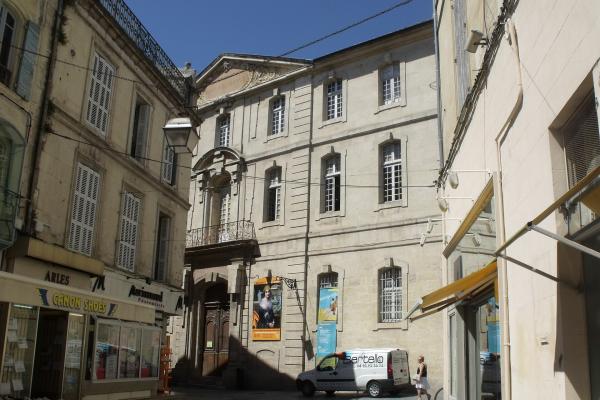
More photos coming soon
Nearby Attractions
Other places to visit in Arles
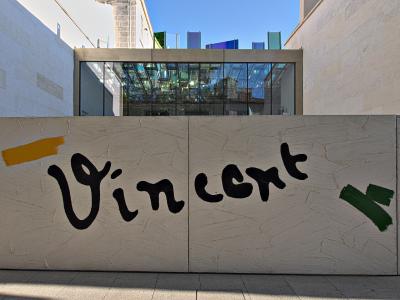
Van Gogh Foundation (Fondation Van Gogh Arles)
Van Gogh’s Arles home hosting contemporary art
From €8 Art Museums · Cultural Centers
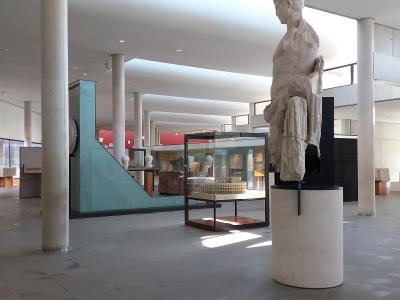
Arles Antique Museum (Musée Départemental Arles Antique)
Roman antiquities museum housing the oldest bust of Juliu...
From €5 Heritage Trails · History Museums
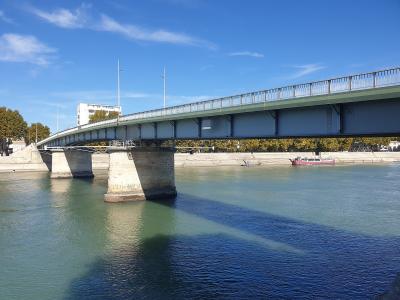
Pont de Trinquetaille
19th-century metal bridge with Van Gogh stairs
Bridges · Heritage Trails
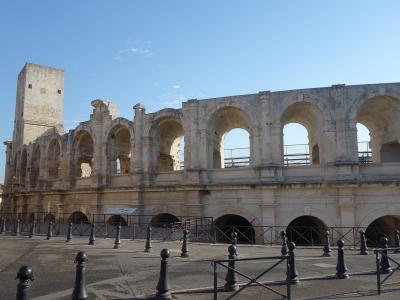
Arles Amphitheatre
UNESCO Roman amphitheatre hosting bullfights
Architectural Landmarks · History Museums
Questions people ask
Quick Facts
Best Time to Visit
April to June and September to October offer mild weather and fewer crowds for optimal exploration.