







- Admission
- €6.00
- Free under 26; Free 17:00-18:00
- Hours
- Tue-Sun 10:00-18:00; Closed Mon, Nov 1, Nov 11, Dec 25, Jan 1, May 1
- Where
- Angers, Pays de la Loire
- Directions
- Directions
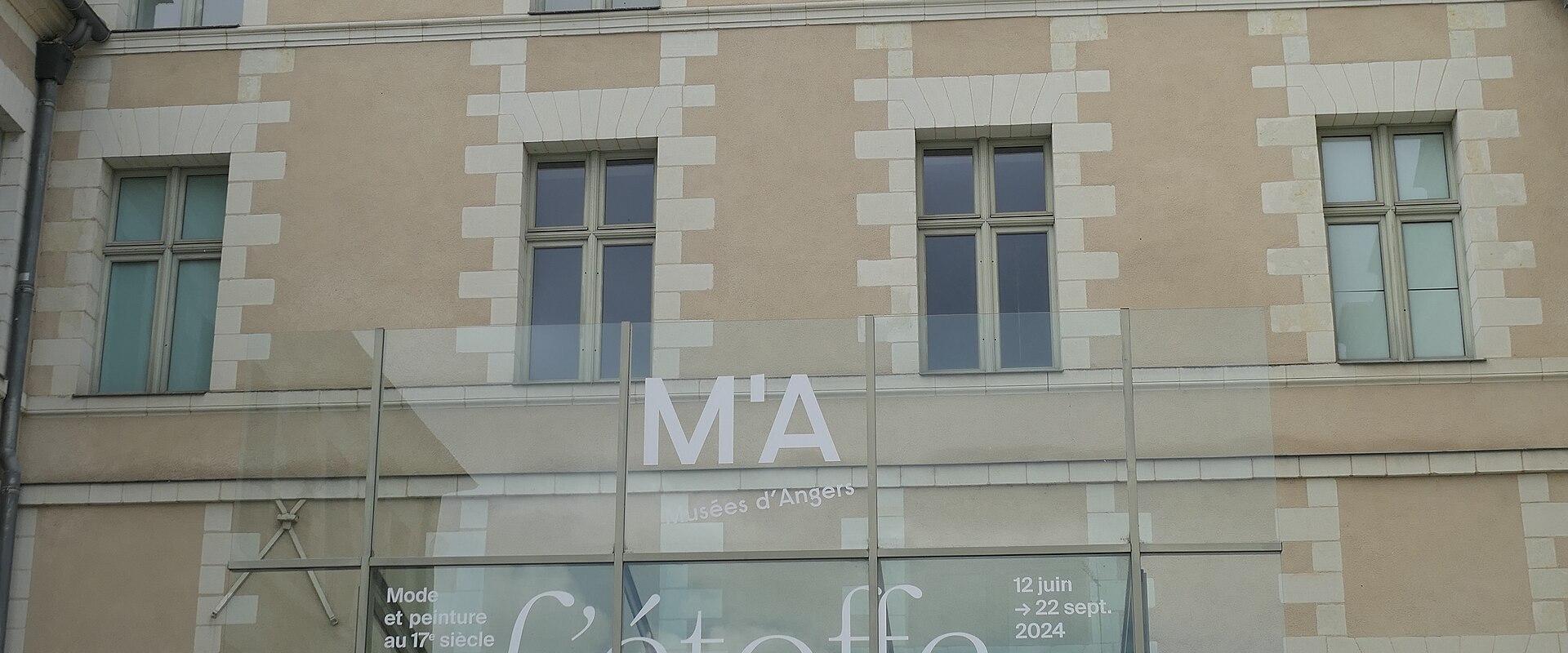
Angers is a city that wears its history in black and white: dark slate roofs, pale tuffeau stone and the huge schist walls of its medieval château. The Musée des Beaux-Arts d'Angers, found in the old town a few minutes from the castle and the cathedral, tells a different part of the story, that of the city's art and its past, in a historic mansion with a modern extension. It is a museum of modest size and calm character, and it makes a good complement to the monuments that most visitors come for.
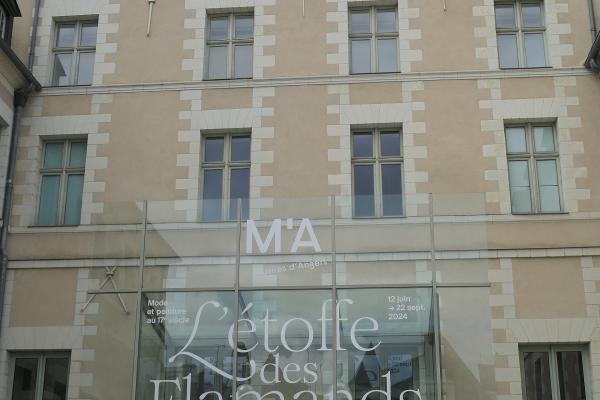
The museum is housed in the Logis Barrault, a late fifteenth-century town house built for Olivier Barrault, a royal treasurer from Brittany who made his fortune in the service of the dukes. The building later became a seminary and was used as a museum from the early nineteenth century, when the French state placed works of art in provincial towns after the Revolution. Following a lengthy renovation and an extension, the museum reopened in the early twenty-first century with two permanent exhibitions: one devoted to fine arts, with paintings and sculptures from the fourteenth century to the present, and the other to the history of Angers, from prehistory through the Roman and medieval periods.
The art collection is intended to give an overview of the French and European schools through selected works. Visitors move through religious paintings of the Middle Ages and Renaissance, portraits and scenes of the classical period, landscapes and academic painting of the nineteenth century, and works of the twentieth and twenty-first centuries. The collection also includes sculpture, with works by artists with local connections, and Angers has a particular link to sculpture through David d'Angers, the nineteenth-century artist born in the town, whose works fill a gallery in a separate former abbey church. The history section uses archaeological finds, maps, models and documents to explain the growth of the town, from its origins as a Gaulish settlement and Roman city, through its role as the capital of the counts of Anjou, to the modern period.
The museum is a good place to start a visit to Angers, giving background that illuminates the rest of the sights. Anjou was the home of the Plantagenet dynasty, and the counts of Anjou became kings of England in the twelfth century. The Château d'Angers, with its seventeen towers, houses the great Apocalypse Tapestry, a masterpiece of medieval weaving from the fourteenth century, and the Cathédrale Saint-Maurice displays a distinctive Angevin Gothic style. The Musée Jean-Lurçat, devoted to contemporary weave, the Place du Ralliement with its theatre and the lanes of the Quartier Saint-Aubin make up a pleasant walk, and the banks of the Maine river are close by.
The museum suits art and history lovers and families, and it offers guided tours, workshops and events. Allow about two hours. Opening days and times change, with closures on Mondays and certain holidays, and there are reduced rates and free hours for certain visitors, so check before going. The building is designed to be accessible to most visitors, and bicycle parking and car parks are nearby.
Categories
More photos coming soon
Hours & Fees
- Open
- Tue-Sun 10:00-18:00; Closed Mon, Nov 1, Nov 11, Dec 25, Jan 1, May 1
- Admission
- €6.00; Free under 26; Free 17:00-18:00
Hours and prices change, especially out of season. Check with the venue before you go.
Nearby Attractions
Other places to visit in Angers
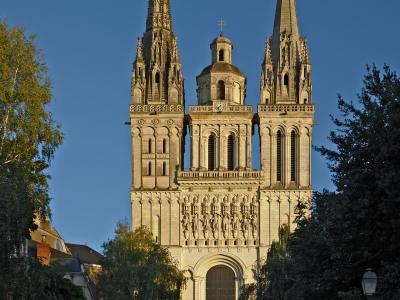
Cathédrale Saint-Maurice
12th-century Gothic cathedral with stained glass
Historic Architecture · Museums & Culture
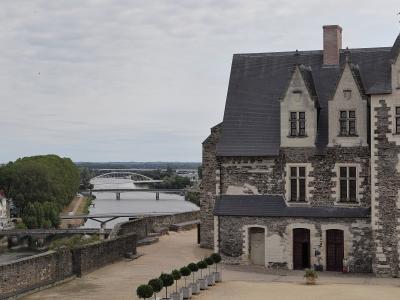
Château d'Angers
Medieval fortress housing the Apocalypse Tapestry
From €11 Castles · Gardens
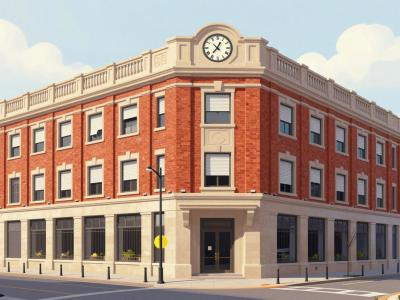
Quartier Saint-Aubin
Free historic tower with panoramic city views
Guided Experiences · Historic Architecture
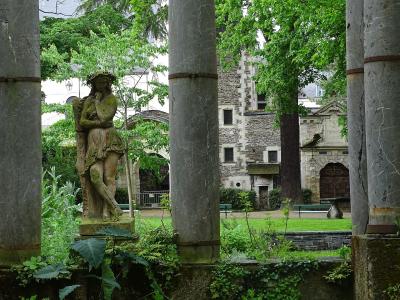
Musée Jean Lurçat et de la Tapisserie Contemporaine
Jean Lurçat’s Le Chant du Monde in a 12th-century hospital
From €6 Historic Architecture · Museums & Culture
Questions people ask
Quick Facts
Best Time to Visit
Mid-June to mid-September offers warm weather and ideal conditions for outdoor activities and sightseeing.