







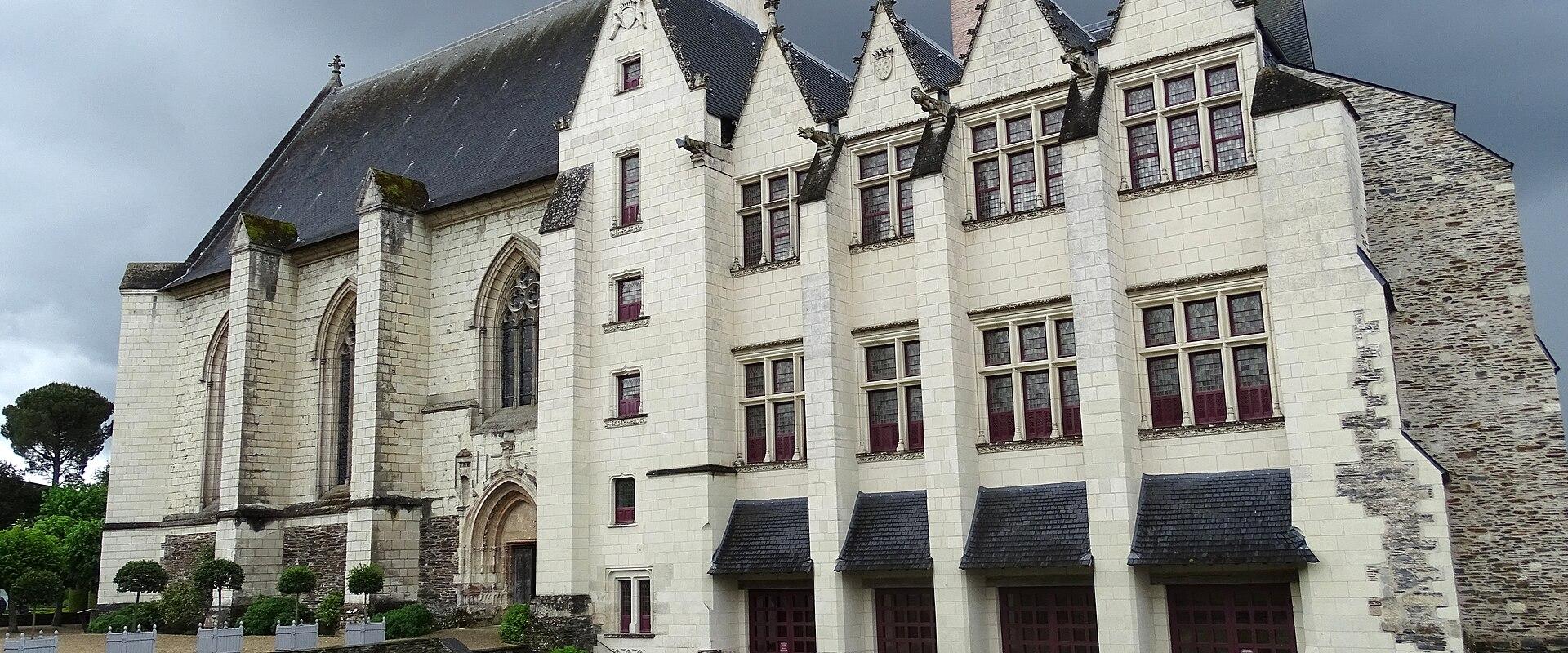
Angers, situated in the Maine-et-Loire department of western France, is a city with a profound historical and cultural identity. Historically, it was the capital of the County of Anjou, a powerful medieval state that played a key role in the history of France and England, with the Plantagenet dynasty emerging from it. The city's strategic location on the Maine River made it a fortified stronghold, with the Château d'Angers serving as the residence of the Counts of Anjou. The castle was rebuilt in the 13th century under Louis IX, and the famous Apocalypse Tapestry was commissioned in the 1370s by Louis I of Anjou. During the Hundred Years' War, Angers changed hands between the French and English, and it later became a center for the French Renaissance under the Valois dukes. The city also has a strong artistic tradition, particularly in the 19th and 20th centuries with the sculptor David d'Angers and the tapestry artist Jean Lurçat. The city suffered damage during World War II but was rebuilt, preserving much of its historic character.
The main attractions in Angers reflect its medieval and artistic heritage. The Château d'Angers is the city's most iconic landmark, featuring massive defensive walls and housing the Apocalypse Tapestry, a 14th-century masterpiece of medieval art depicting the Book of Revelation, in a museum gallery within the castle. The Cathédrale Saint-Maurice, a Gothic structure, is another significant religious site, known for its stained-glass windows and historic organ, and its domed vaults are called Angevin. The Musée des Beaux-Arts d'Angers houses an extensive collection of paintings, sculptures and decorative arts, including works by David d'Angers. The Musée Jean Lurçat et de la Tapisserie Contemporaine, in a former hospital, shows the 20th-century revival of tapestry. The Jardin des Plantes is a historic botanical garden in the city center. The Terra Botanica park, located just outside the city, is a large theme park dedicated to plants and nature, and the Parc de la Roseraie offers a quiet green space. The old town features narrow streets, half-timbered houses and the Place du Ralliement, a central square with a grand theatre, and the Quartier Saint-Aubin and the Pont d'Angers, a bridge over the Maine, are listed locally. A Musée de la Magie is also named in local guides.
Angers offers various activities for visitors interested in history, art and nature. The city is a starting point for exploring the Loire Valley châteaux, with many accessible by bike or car. The Anjou wine region offers wine tasting tours, particularly for Cabernet d'Anjou and Saumur wines, as well as the sweet wines of the Layon. The Maine River offers opportunities for canoeing and kayaking, and river cruises leave from the quay. The city hosts various festivals throughout the year, among them the Festival d'Anjou, a summer theatre festival. The local cuisine features Anjou specialties, including rillettes, foie gras and local cheeses, and the liqueur Cointreau was created here. The David d'Angers Gallery is dedicated to the life and work of the sculptor, in the roofless ruins of an old abbey church. The surrounding countryside offers hiking and cycling trails.
Getting to Angers is convenient via train, with TGV services connecting it to Paris in about an hour and a half, Nantes and other major French cities. The train station is located close to the city center, making it easily accessible. For those traveling by car, Angers is connected by the A11 and A85 motorways. The best time to visit is from mid-June to mid-September, when the weather is warm and pleasant, ideal for exploring the outdoor attractions and walking tours. July and August are the warmest months, with average highs around 25°C, but also the busiest. Spring and autumn offer milder weather and fewer crowds, making them suitable for sightseeing and wine tasting. Winter is cooler and quieter, offering a serene atmosphere for indoor museum visits.
Best time to visit
Mid-June to mid-September offers warm weather and ideal conditions for outdoor activities and sightseeing.
What to see in Angers
Our picks first.
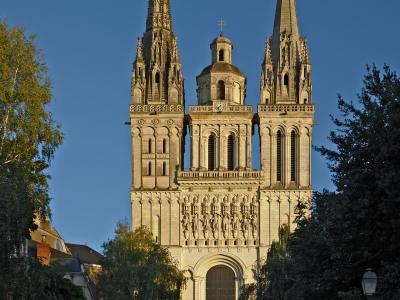
Cathédrale Saint-Maurice
12th-century Gothic cathedral with stained glass
Historic Architecture · Museums & Culture
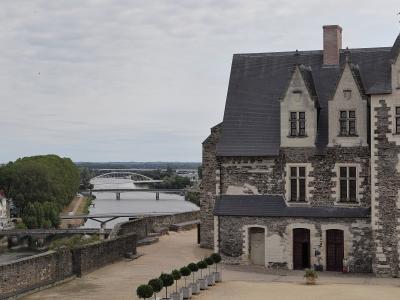
Château d'Angers
Medieval fortress housing the Apocalypse Tapestry
From €11 Castles · Gardens

Quartier Saint-Aubin
Free historic tower with panoramic city views
Guided Experiences · Historic Architecture
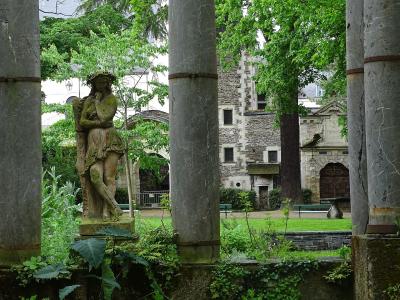
Musée Jean Lurçat et de la Tapisserie Contemporaine
Jean Lurçat’s Le Chant du Monde in a 12th-century hospital
From €6 Historic Architecture · Museums & Culture
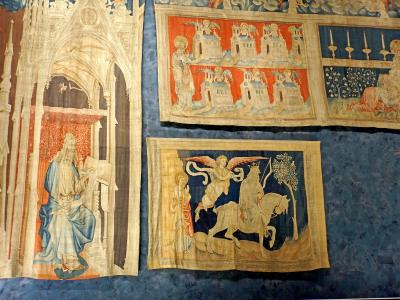
Musée de la Tapisserie de l'Apocalypse
Largest surviving medieval tapestry in the world
Historic Architecture · Museums & Culture
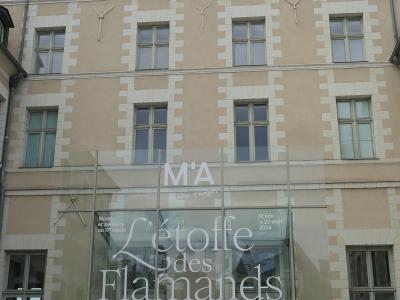
Musée des Beaux-Arts d'Angers
Fine art and local history in Angers
From €6 Art Museums · Guided Tours
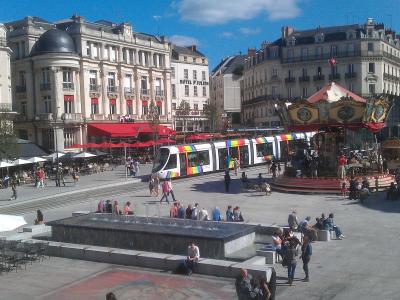
Place du Ralliement
Central Angers square near the castle
Free City Centers · Squares
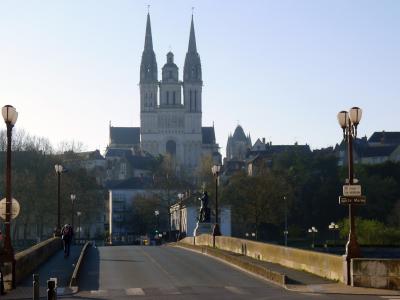
Pont d'Angers
1000-year-old medieval bridge with 100 arches
Free Historic Architecture
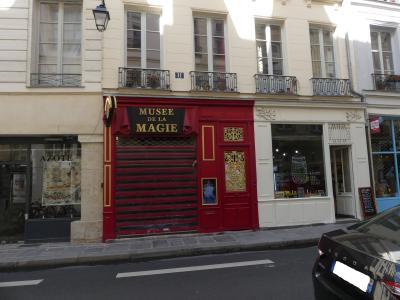
Musée de la Magie
Historic magic museum in Angers, France
Museums & Culture
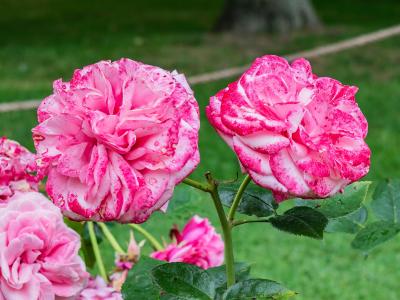
Parc de la Roseraie
World’s largest rose garden in Angers
Nature & Parks
Angers by interest
The same sights, grouped by what you came for.
Did you know?
Checked facts about Angers, each with its source.
-
Record
Apocalypse Tapestry: The World's Largest
The medieval center of Angers is home to the Apocalypse Tapestry, which is described in the source material as the 'biggest' tapestry, distinguishing it by its massive scale compared to other works.
Source: en.wikipedia.org
Planning a visit to Angers
Good to know
- Currency
- EUR
- Language
- French
Quick Facts
Book your stay
Questions people ask
More places in Pays de la Loire
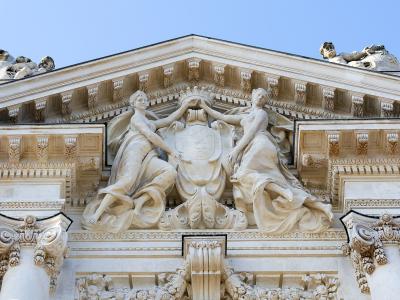
Pays de la Loire
Nantes
Creative Loire city with mechanical elephants and history
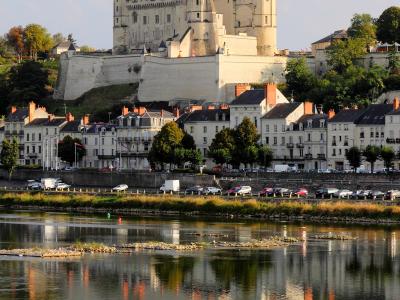
Pays de la Loire
Saumur
Loire Valley town known for castle, horses, and wine
Pays de la Loire
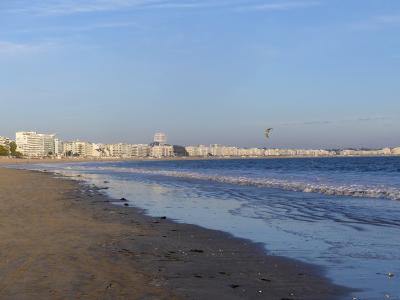
La Baule
Chic Atlantic resort with 8km sandy beach and Art Deco villas
Pays de la Loire
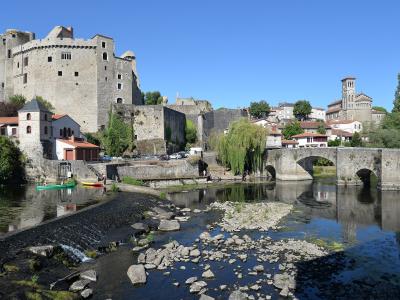
Clisson
Italianate river town of Muscadet country, rebuilt after the Vendée wars