







- Where
- Limoges, Limousin
- Directions
- Directions
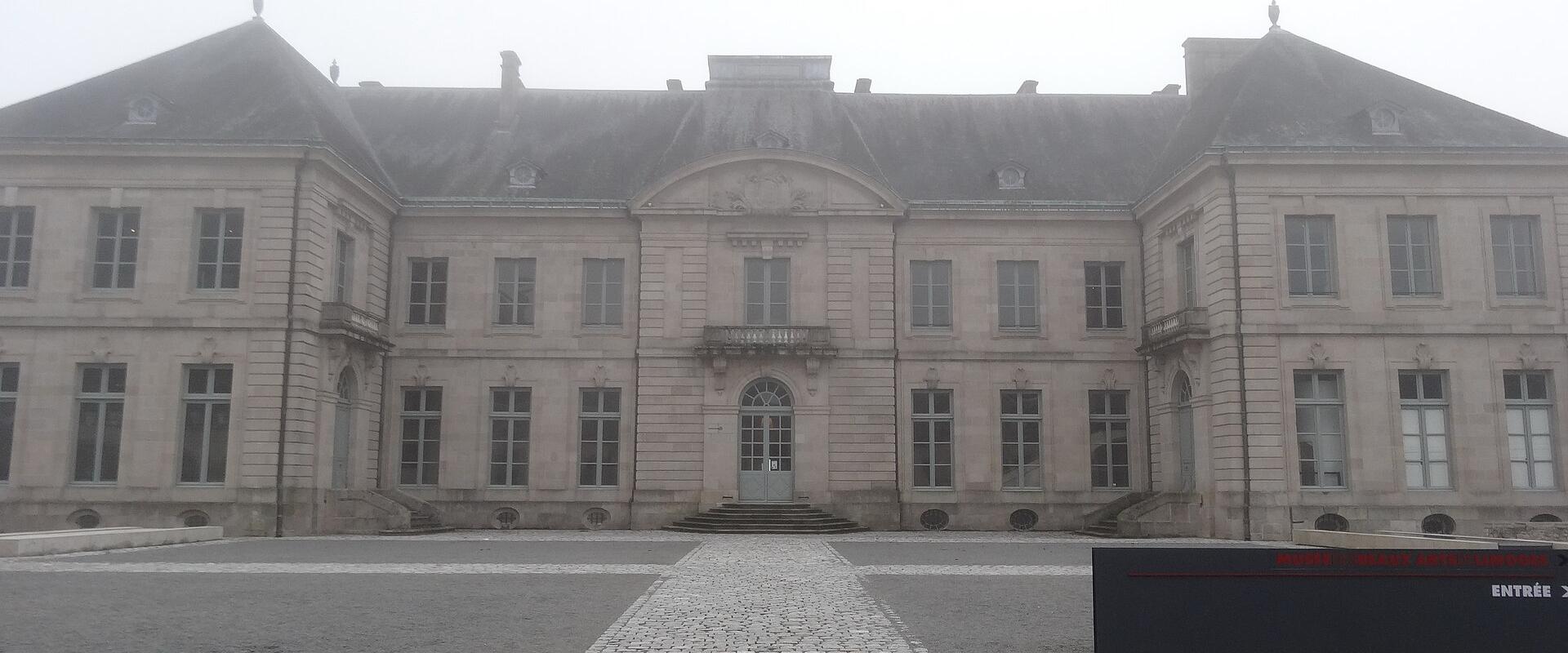
The Musée des Beaux-Arts de Limoges occupies the former bishop's palace of the city, a building put up in the second half of the eighteenth century and designed by the Brousseau brothers, who were local architects. It stands in the old Cité district, the ecclesiastical quarter above the river Vienne, right beside the Saint-Étienne Cathedral. The palace is built of local stone with a calm, symmetrical front, and from its gardens the land drops away toward the river and the arches of old bridges.
The gardens are a good reason to come. They are laid out in terraces that step down the slope in formal beds, hedges and clipped lawns, with paths and steps linking the levels. They are open to the public and make a peaceful place to sit, with views across the Vienne valley and the roofs of the lower town. Even if you have little time for the museum, a walk through the garden is worth it, and a short stroll links it to the cathedral nearby.
Inside the museum, the collection ranges from archaeology to the twentieth century and has a strong local focus. Limoges is famous for its enamels, which were made here from the Middle Ages onward and spread through European churches, and the museum's painted enamels from the Renaissance are among its best-known pieces. There are also paintings, sculpture and decorative arts, as well as ceramics and objects that illustrate the porcelain trade for which the city became known after kaolin was discovered nearby in the eighteenth century. Egyptian antiquities form another important part of the museum. The city is also the birthplace of the painter Auguste Renoir, which lends local interest to the French paintings of the nineteenth century.
The building has many period rooms, with wood panelling and painted ceilings, so the architecture is part of the experience. The visit is modest in scale and usually takes one to two hours, which suits a quiet morning. Opening days and hours change with the season, so it is wise to check before you set out. Special exhibitions are held in the building during the year, often linked to local artists and craftspeople.
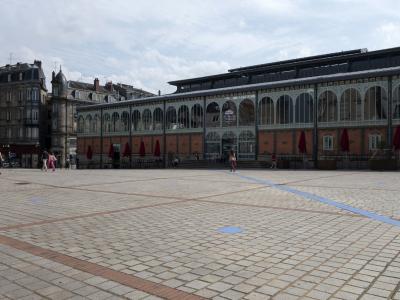
The museum is a good partner to the porcelain museum, Musée national Adrien Dubouché, which lies a short walk away in the town, and the Limoges Covered Market, which is the place to try local food. For anyone interested in how a provincial French city built its artistic identity on enamel and porcelain, this museum provides the background. It suits quiet, reflective visitors who like gardens as much as galleries.
Categories
More photos coming soon
Nearby Attractions
Other places to visit in Limoges
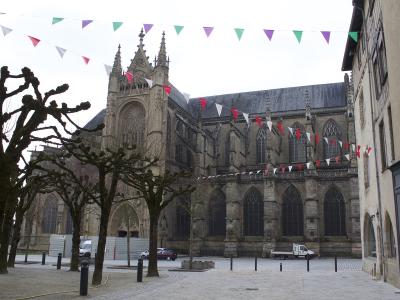
Saint-Étienne Cathedral
13th-century Gothic cathedral completed in the 19th century
Free Churches · Heritage Trails
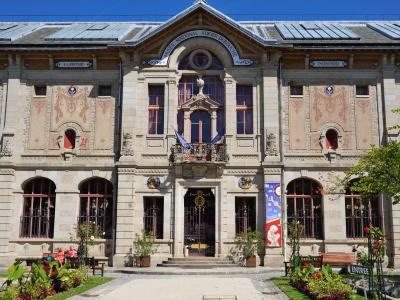
National Limoges porcelain Museum (Musée national des Beaux-Arts de Limoges)
World's largest Limoges porcelain collection
Historic Architecture · Museums & Culture
Limoges Covered Market (Marché Couvert)
19th-century metal hall with 328 porcelain tiles
Architectural Landmarks · Local Cuisine
Questions people ask
Quick Facts
Best Time to Visit
Late June to early September offers warm weather and ideal conditions for outdoor activities and festivals.