







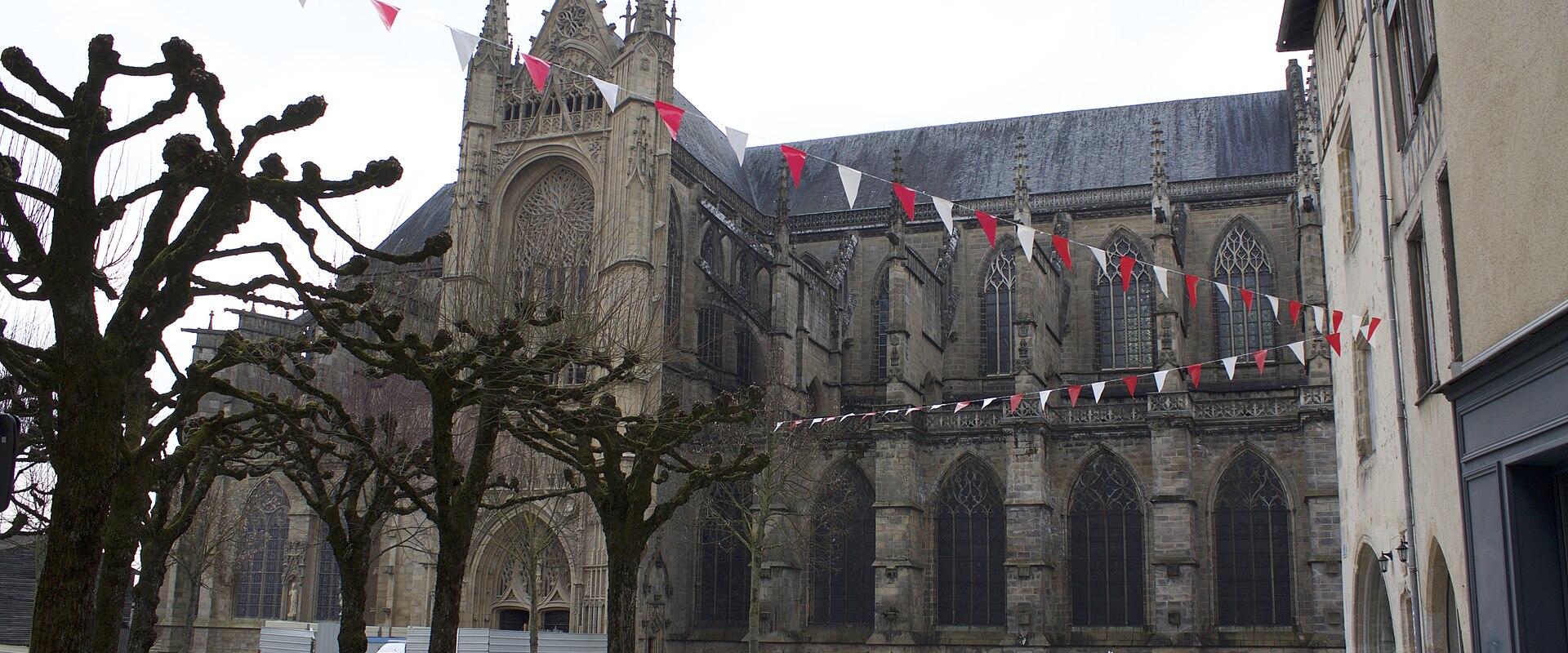
Saint-Étienne Cathedral
13th-century Gothic cathedral completed in the 19th century
- Admission
- Free admission
- Hours
- Mon-Sat 9:00 am-6:00 pm (5:00 pm in winter); Sun 10:00 am-12:00 pm, 2:00 pm-6:00 pm
- Where
- Limoges, Limousin
- Directions
- Directions
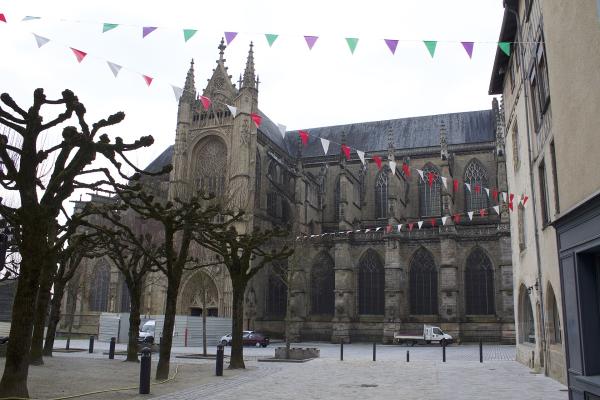
The Cathédrale Saint-Étienne de Limoges is the main Gothic cathedral south of the Loire built in the northern manner, and it stands on a terrace above the river Vienne in the old Cité district. The building took an exceptionally long time to complete. Work began in 1273, under Bishop Gilbert de Malemort, on the east end, and it continued in stages for several centuries. The nave was only finished in the nineteenth century, when it was joined to the old Romanesque bell tower, which had been left standing in the middle of the work. The long building history gives the cathedral a mixture of styles, from the strict early Gothic of the choir to the more elaborate forms of the Flamboyant period.
The church is built in local granite, which is hard and gives the facades a grey, sober appearance. The Saint-Jean portal, on the north side, is the most striking feature of the exterior, with delicate Flamboyant carving of the early sixteenth century. The bell tower, much older than the rest, rises to over sixty metres and is a landmark of the city skyline. At the base of the cathedral, earlier structures have been found. The site of the old Romanesque cathedral, which was replaced, is linked to the history of the dukes of Aquitaine, and it was in a church here that Richard the Lionheart was invested as duke in the twelfth century. Excavations beneath the building have also revealed an early baptistery of large size.
Inside, the church is spacious and light, with tall windows and a great vault. Its best-known piece of furniture is the Renaissance rood screen, or jubé, carved with columns and statues in the first half of the sixteenth century, which once separated the choir from the nave and now stands at the entrance to the choir. The cathedral contains the tombs of several bishops, among them richly carved Renaissance monuments, and the choir has carved stalls. A garden planted with medicinal herbs lies beside the cathedral and is open to the public.
The cathedral is a place of worship, so visits are best outside services. It is generally open on most days, with different hours on Sundays, and entry is free. The visit takes about one to two hours if you want to see the portal, the rood screen and the garden.
It stands close to the Musée des Beaux-Arts de Limoges, the former bishop's palace, with the terraced gardens above the river, and a walk along the Vienne leads to the old bridges. The Limoges Covered Market, with its ironwork, is a short distance away in the commercial centre. The cathedral suits architecture lovers and anyone interested in the history of the Limousin.
Categories
More photos coming soon
Hours & Fees
- Open
- Mon-Sat 9:00 am-6:00 pm (5:00 pm in winter); Sun 10:00 am-12:00 pm, 2:00 pm-6:00 pm
- Admission
- Free admission
Hours and prices change, especially out of season. Check with the venue before you go.
Nearby Attractions
Other places to visit in Limoges
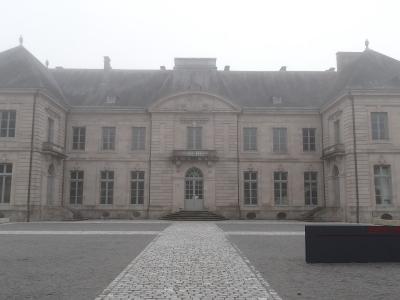
Musée des Beaux-Arts de Limoges
18th-century episcopal palace art museum
Historic Architecture · Museums & Culture
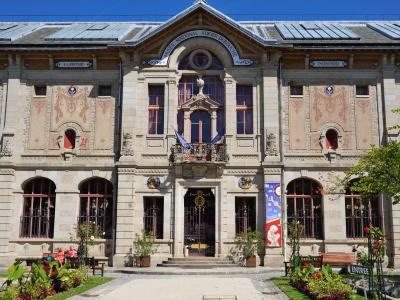
National Limoges porcelain Museum (Musée national des Beaux-Arts de Limoges)
World's largest Limoges porcelain collection
Historic Architecture · Museums & Culture
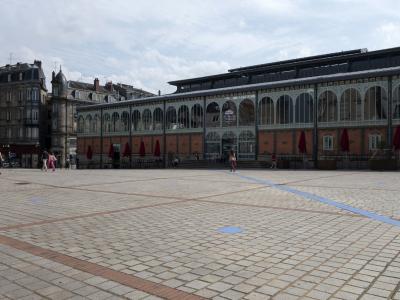
Limoges Covered Market (Marché Couvert)
19th-century metal hall with 328 porcelain tiles
Architectural Landmarks · Local Cuisine
Questions people ask
Quick Facts
Best Time to Visit
Late June to early September offers warm weather and ideal conditions for outdoor activities and festivals.