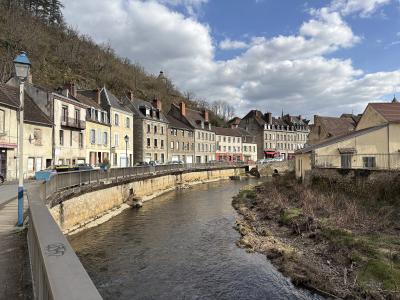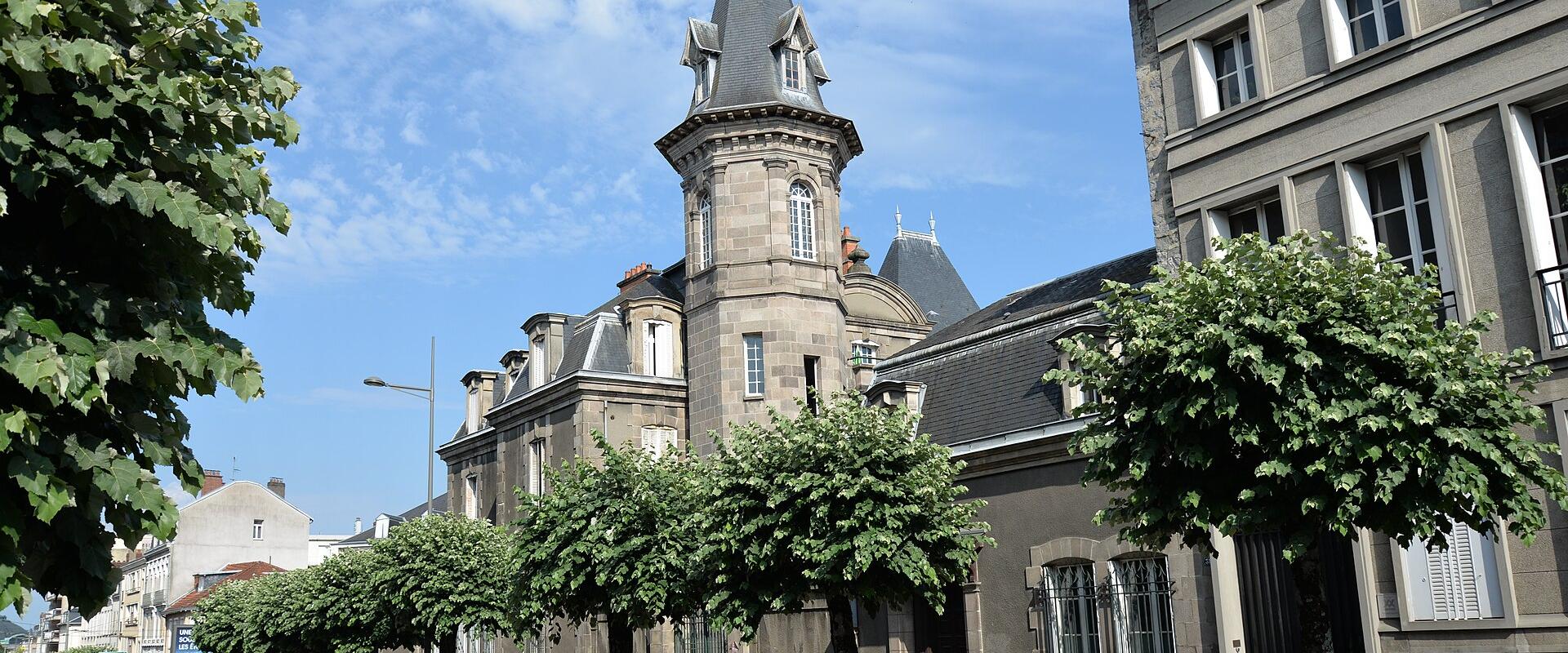
Limoges, situated in the Haute-Vienne department of southwestern France, is a city with a profound historical and artistic identity. Historically, it was a major ecclesiastical center, with the Abbey of Saint-Martial playing a crucial role in the development of Gregorian chant and medieval music, and its scribes developed early forms of musical notation. The city's strategic location in the Limousin region made it an important stop on the pilgrimage route to Santiago de Compostela. However, Limoges is most globally renowned for its porcelain. The discovery of kaolin, an essential ingredient for fine porcelain, in the late 18th century transformed the city into a major industrial hub. A royal porcelain factory, and numerous private factories established in Limoges set the standard for high-quality porcelain production, earning the city the nickname 'Porcelain Capital of the World.' This industrial heritage is intertwined with the city's artistic culture, which continues to thrive today, and the city's enamel tradition goes back to the Middle Ages.
The main attractions in Limoges reflect its dual identity as a religious and artistic center. The Cathedral of Saint-Étienne is a masterpiece of Gothic architecture, begun in the 13th century and finished much later, and its stained-glass windows include later pieces; Limoges is also known for the stained-glass workshop of Francis Chigot. The cathedral's cloister and treasury are also significant historical sites. The Musée National Adrien Dubouché is the premier museum for porcelain, housing an extensive collection of Limoges porcelain from the 18th century to the present day, as well as ceramics from around the world. The Musée des Beaux-Arts, in the former episcopal palace, displays a rich collection of paintings, sculptures and enamels. The old town features the Quartier de la Boucherie, a medieval district with half-timbered houses and narrow streets, offering a glimpse into the city's past. The Gare de Limoges-Bénédictins, a railway station with an Art Deco dome and clock tower, is an architectural landmark in itself. The Halles Centrales, the covered market, is a striking late 19th-century building.
Limoges offers various activities for visitors interested in art, history and nature. The city hosts the Limoges Biennale, a contemporary art festival, and the Fête de la Porcelaine, which celebrates the city's ceramic heritage. Visitors can take workshops to learn about porcelain painting and creation, and a few factories offer visits. Every seven years, the city holds the Ostensions, a procession of saints' relics, recognised by UNESCO. The surrounding Limousin region is known for its natural beauty, including the Millevaches plateau and the Corrèze valley, offering opportunities for hiking, cycling and exploring rural villages. The Parc Zoologique du Reynou provides a family-friendly attraction with a variety of animal species. The city also has a vibrant culinary scene, featuring Limousin beef, a local specialty, cherry clafoutis and regional wines.
Getting to Limoges is convenient via train, with regular services to Paris in about three hours, Lyon and other major French cities. The train station is located close to the city center, making it easily accessible. For those traveling by car, Limoges is connected by the A20 and A89 motorways. The best time to visit is from late June to early September, when the weather is warm and pleasant, ideal for exploring the outdoor spaces and attending festivals. July and August are the warmest months, with average highs around 25°C, but also the busiest. Spring and autumn offer milder weather and fewer crowds, making them suitable for sightseeing and museum visits. Winter is cooler and quieter, offering a serene atmosphere for indoor cultural activities.
Best time to visit
Late June to early September offers warm weather and ideal conditions for outdoor activities and festivals.
What to see in Limoges
Our picks first.
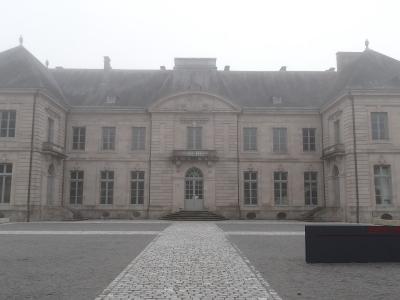
Musée des Beaux-Arts de Limoges
18th-century episcopal palace art museum
Historic Architecture · Museums & Culture
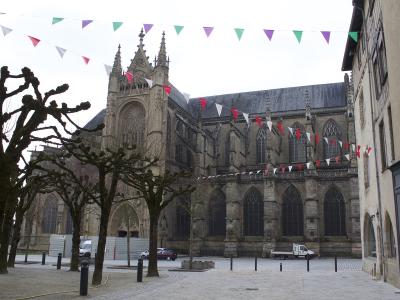
Saint-Étienne Cathedral
13th-century Gothic cathedral completed in the 19th century
Free Churches · Heritage Trails
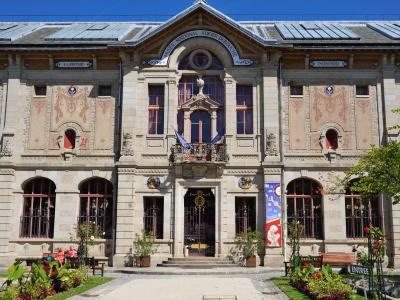
National Limoges porcelain Museum (Musée national des Beaux-Arts de Limoges)
World's largest Limoges porcelain collection
Historic Architecture · Museums & Culture
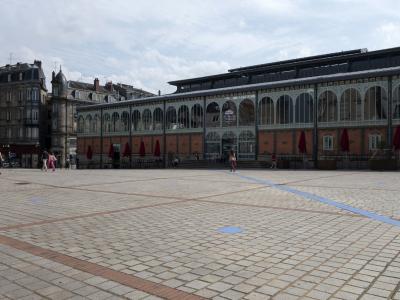
Limoges Covered Market (Marché Couvert)
19th-century metal hall with 328 porcelain tiles
Architectural Landmarks · Local Cuisine
Limoges by interest
The same sights, grouped by what you came for.
Did you know?
Checked facts about Limoges, each with its source.
-
History
Limoges Has Another Verifiable Detail
Limoges provides a relaxed atmosphere with a rich history of religious significance and industrial innovation, making it a unique destination for those interested in art history and traditional crafts.
Source: Enamels of Limoges, 1100–1350
Planning a visit to Limoges
Itineraries that include Limoges
Good to know
- Currency
- EUR
- Language
- French