







- Where
- Bourges, Centre-Val de Loire
- Directions
- Directions
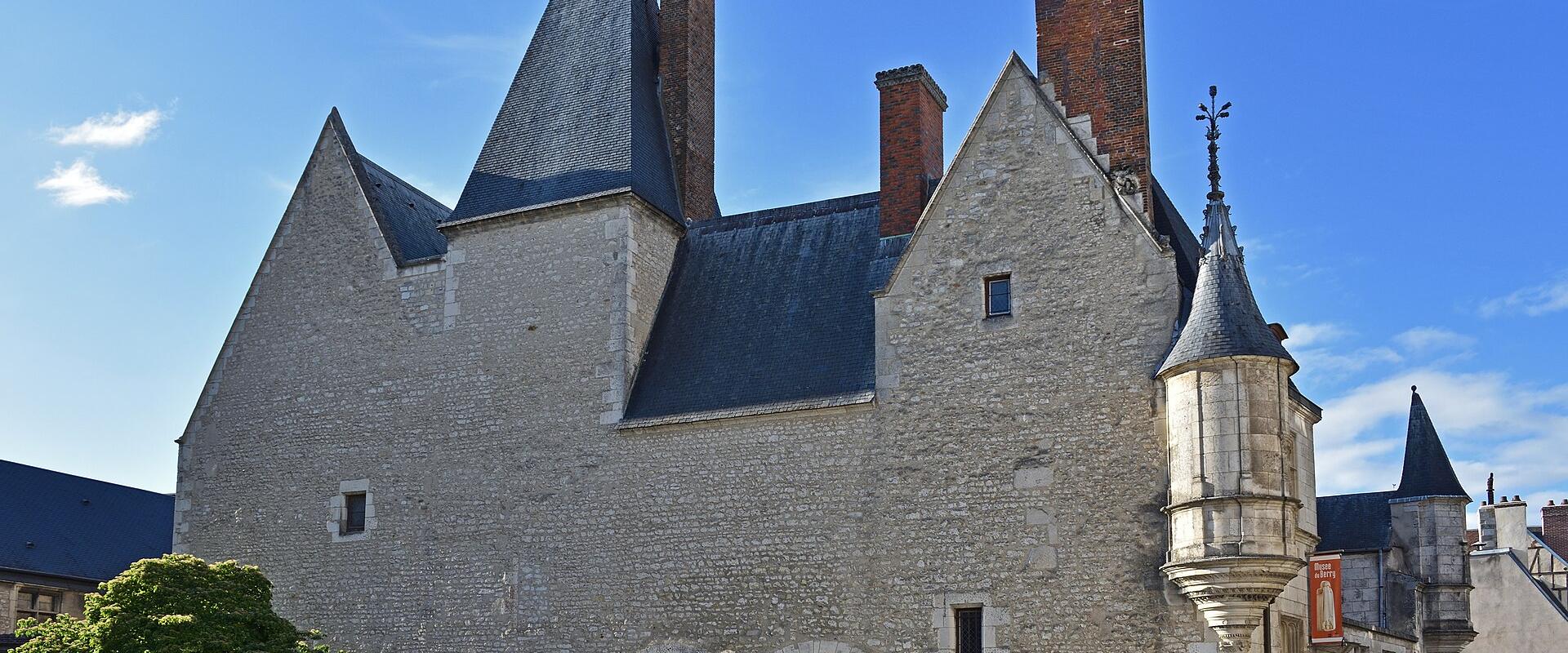
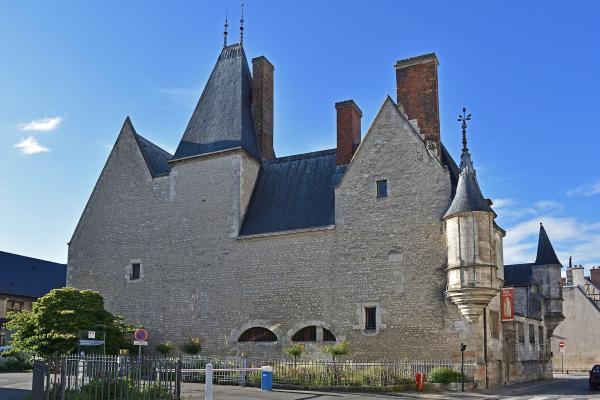
Bourges was once the capital of a province, the seat of a duke and, in the early fifteenth century, the refuge of the French king Charles VII, who was mockingly called the King of Bourges when most of northern France was in English hands. The Musée du Berry is the museum of that long history, and it is housed in the Hôtel Cujas, a fine Renaissance mansion in the old centre. The building takes its name from Jacques Cujas, one of the most celebrated jurists of the sixteenth century, who taught at the university of Bourges, and it has been a museum since the late nineteenth century.
The museum's collection goes back to 1834, when the antiquarian Claude-Denis Mater began gathering archaeological finds and historical objects for the town, and over time the museum moved between several buildings before settling in the Hôtel Cujas. It was named the Musée du Berry in 1912. The collection reflects the history of the Berry region, a rural area in the centre of France, and includes material from prehistory, the Gallo-Roman city of Avaricum, the Middle Ages and the Renaissance. Avaricum, the ancient name of Bourges, was a major Gaulish town, and it fell to Julius Caesar in 52 BC after a famous siege, an episode that Caesar recounts in his Gallic War.
Visitors will find Gallo-Roman inscriptions, sculptures and everyday objects, as well as medieval carvings and works of art from local churches and houses. The setting contributes to the experience, since the Renaissance courtyard and rooms of the Hôtel Cujas offer an example of the architecture of the period, and the layout allows you to see how the collections develop from the oldest periods to the more recent. The museum is a calm and moderate-sized place, and it suits visitors who like to see an area's story told through objects found in its soil.
Bourges has many other sights within walking distance. The Cathédrale Saint-Étienne, a Gothic cathedral on the UNESCO World Heritage List, rises above the old town with its great sculpted portals and stained glass, and the Palais Jacques-Cœur, a fifteenth-century mansion built for a rich merchant and financier who served Charles VII, is one of the finest examples of civil Gothic architecture in France. The Église Saint-Ursin, the Musée des Beaux-Arts de Bourges and the Parc de la Garenne Lemot add further variety. The Marais de Bourges, a network of market gardens and canals on the edge of town, is a pleasant place for a walk or a boat trip.
The museum suits history and archaeology enthusiasts, and it combines well with a half-day exploring the old centre. For current opening hours and admission fees, check with the local tourist office or the museum itself before travelling.
More photos coming soon
Nearby Attractions
Other places to visit in Bourges
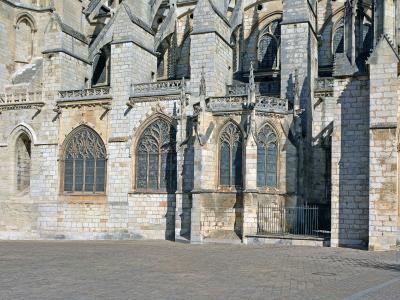
Bourges Cathedral (Cathédrale Saint-Étienne)
UNESCO Gothic cathedral with rare stained glass
From €7 Architectural Landmarks · Churches
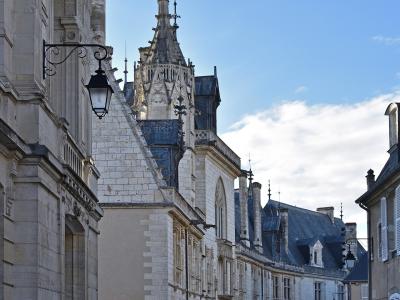
Palais Jacques-Cœur
15th-century Renaissance palace in Bourges
Free History Museums · Palaces
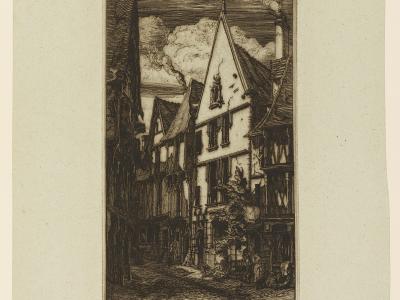
Musée des Beaux-Arts de Bourges
18th-century palace housing French and Italian art
Art Museums
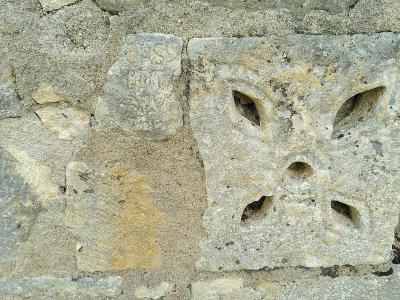
Église Saint-Ursin
16th-century church in Bourges
Free Historic Architecture · Churches
Questions people ask
Quick Facts
Best Time to Visit
May to June and September to October offer mild weather and fewer crowds for optimal exploration.