







- Admission
- Free cancellation (24 hours notice)
- Hours
- Generally 9:30 AM-12:15 PM and 2:00 PM-5:15 PM; specific day shows 10:00-12:45 and 14:00-1...
- Where
- Bourges, Centre-Val de Loire
- Directions
- Directions
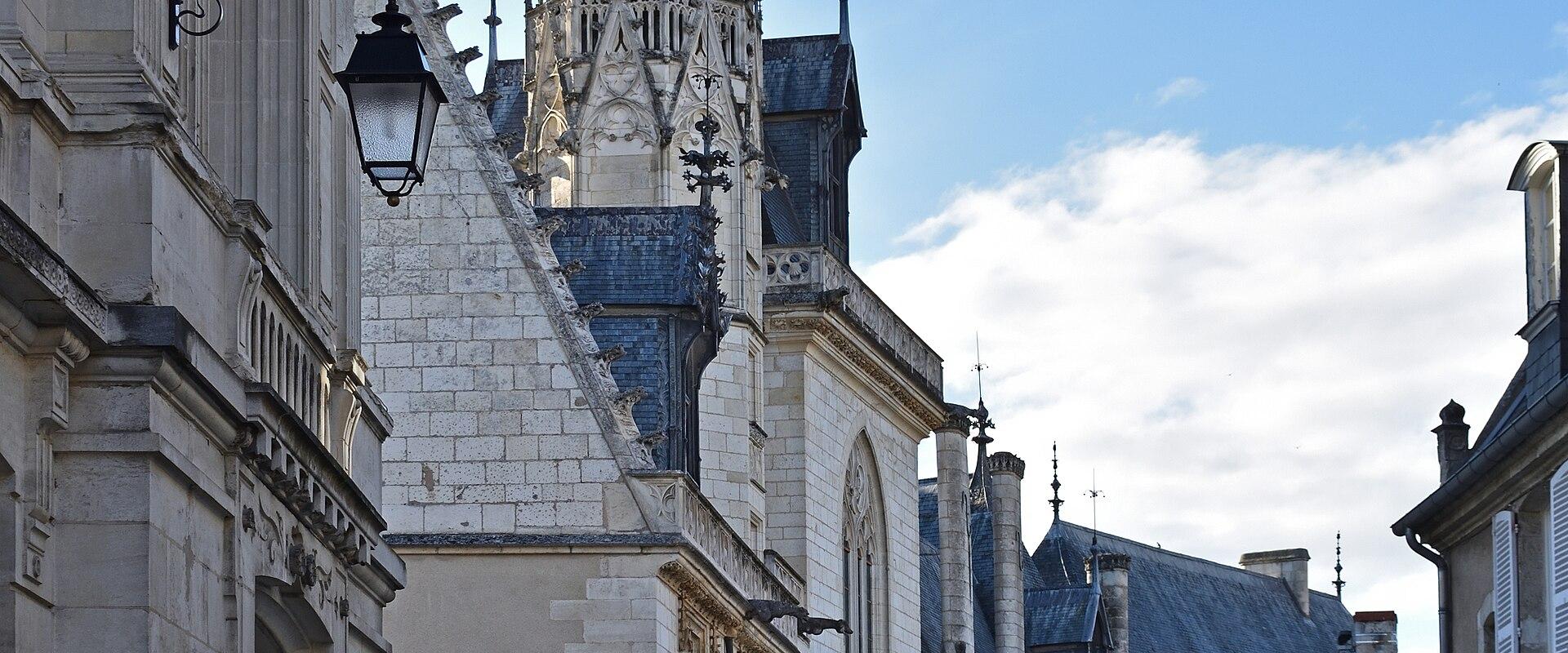
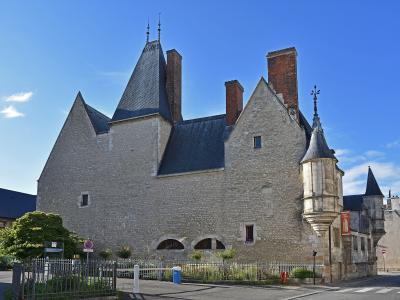
The Palais Jacques-Cœur is a fifteenth-century town house in Bourges that is one of the finest examples of late Gothic civil architecture in France. It was built between about 1443 and 1451 for Jacques Cœur, a merchant from Bourges who rose to become the royal treasurer, the argentier, of King Charles VII. Cœur had made a fortune trading with the Levant, bringing silk, spices and other luxury goods to France, and he lent money to the king during the final stage of the Hundred Years' War, which helped to finance the reconquest of Normandy. His palace was meant to show his wealth and status.
The building leans against the old Gallo-Roman wall of the city, and its facade overlooking the street is as much a statement as a defence. Stone figures in the windows and doorways, painted as servants looking out of their windows, give a touch of humour, and the carved emblems of the owner, hearts and scallop shells, are repeated across the decoration, as a play on his name and his trading voyages. His motto, A vaillans cœurs riens impossible, meaning nothing is impossible to a valiant heart, is recorded in the building. A fine staircase tower and a courtyard with galleries are among its most admired features.
Inside, the palace was arranged as a comfortable residence, with a chapel with painted ceiling and sculpted decoration, grand halls with large chimneypieces, and the steam rooms and baths, called étuves, which were rare in a private house of the time. Painted and carved details are found throughout, and the rooms are mostly empty of furniture but the architecture speaks for itself. Guides and information panels explain the daily life of a rich merchant and his household.
Cœur's fortune ended abruptly. In 1451 he was arrested on charges that included poisoning the king's mistress, Agnès Sorel, and he was imprisoned and stripped of his property. He escaped with help from friends and took refuge in Rome, and he died in 1456 on the island of Chios, fighting in a papal fleet. The palace was seized and passed through many hands, later serving as a court and an official building, before it was restored as a historic monument.
Opening hours differ by season, so check them before you go, and expect to buy a ticket. A visit takes about an hour. The palace suits those interested in medieval history, architecture and the story of a remarkable career. It stands a few minutes' walk from Bourges Cathedral, the Musée du Berry and the old streets of the city.
Categories
More photos coming soon
Hours & Fees
- Open
- Generally 9:30 AM-12:15 PM and 2:00 PM-5:15 PM; specific day shows 10:00-12:45 and 14:00-18:15
- Admission
- Free cancellation (24 hours notice)
Hours and prices change, especially out of season. Check with the venue before you go.
Nearby Attractions
Other places to visit in Bourges
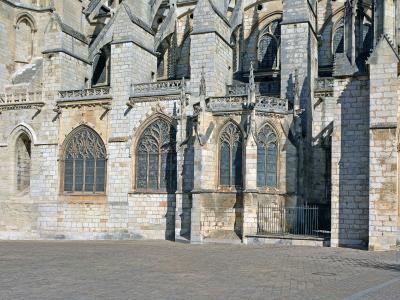
Bourges Cathedral (Cathédrale Saint-Étienne)
UNESCO Gothic cathedral with rare stained glass
From €7 Architectural Landmarks · Churches
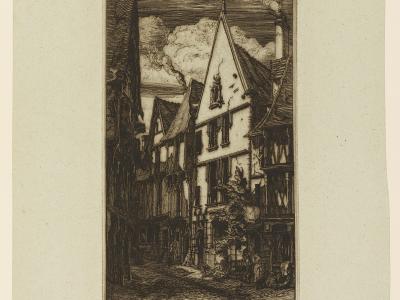
Musée des Beaux-Arts de Bourges
18th-century palace housing French and Italian art
Art Museums
Musée du Berry
19th-century art and archaeology in Hôtel Cujas
Historic Architecture · Museums & Culture
Église Saint-Ursin
16th-century church in Bourges
Free Historic Architecture · Churches
Questions people ask
Quick Facts
Best Time to Visit
May to June and September to October offer mild weather and fewer crowds for optimal exploration.