







- Where
- Arles, Provence-Alpes-Côte d'Azur
- Directions
- Directions
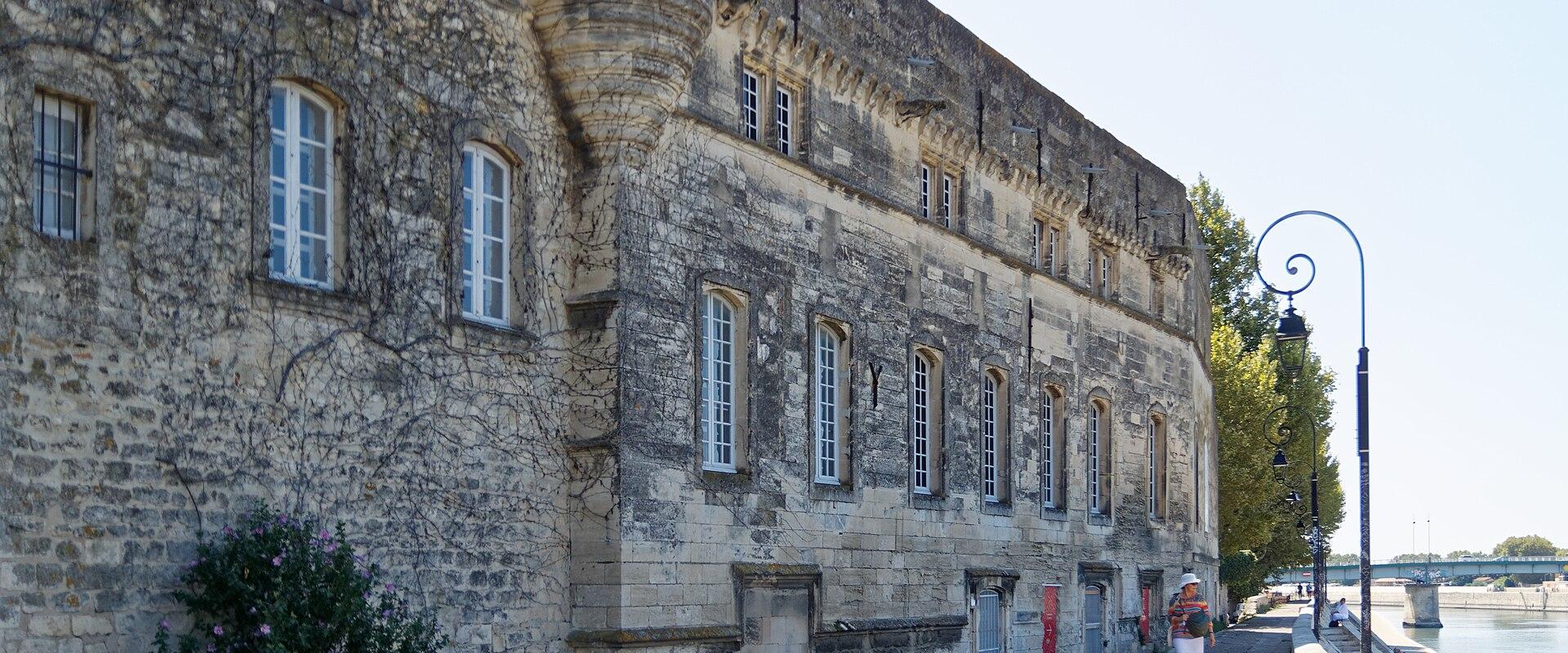
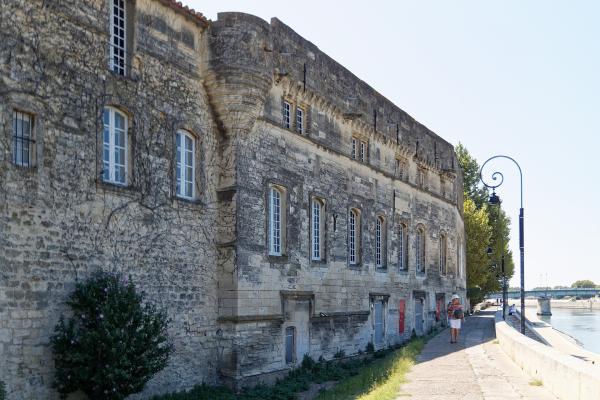
The Musée Réattu occupies a handsome medieval building on the bank of the Rhône in Arles, and it has an unusual mixture of collections: eighteenth-century painting, a famous group of Picasso drawings and one of the most important photography collections in France. The setting is the Grand Prieuré, the priory of the Knights of Malta, whose buildings date from the fifteenth century and which stand next to the Roman and medieval sights of the old town. The river is just beyond the walls, and a terrace offers a view of the Rhône and the Pont de Trinquetaille.
The museum is named after Jacques Réattu, a painter born in Arles in 1760 who studied in Paris and Rome, won the Prix de Rome and returned to his hometown. In 1796, he bought the former priory, which had been confiscated during the Revolution, and made it his home and studio. He worked here until his death in 1833, and his daughter later left the property to the city, which turned it into a museum. Réattu's own paintings, in the neoclassical style of the period, are among the works exhibited, together with his drawings and the works of other artists from Arles and Provence.
The collection grew in the twentieth century in two directions. In 1971, Pablo Picasso gave the museum a set of fifty-seven drawings, made in a burst of work over the winter of 1970 and 1971, as a tribute to Arles, a city he loved for its bullfights and its light. The group is displayed in a dedicated room. The other direction was photography. In the 1960s the museum began to acquire photographs, in partnership with the photographer Lucien Clergue, a native of Arles and a friend of Picasso, and the museum's holdings now range over many periods and styles. The collection is closely tied to the Rencontres d'Arles, the international photography festival that takes place every summer and has made the city a world capital of photography.
The building adds to the experience. You pass through courtyards and halls of the medieval priory, including the Saliers courtyard and the former chapel, and the layout, on three levels with many stairs, means that parts of the museum are not easily accessible to visitors with reduced mobility. Contemporary art and installations are often shown alongside the older works, and the contrast between the old stones and modern art is one of the museum's charms.
Arles has much more to see. The Roman amphitheatre, which still hosts bullfights, the ancient theatre, the Cryptoportiques, the church of Saint-Trophime with its Romanesque portal and cloister, and the Musée départemental Arles antique are all within walking distance. Vincent van Gogh lived and worked in Arles in 1888 and 1889, and the Fondation Vincent van Gogh shows contemporary works in dialogue with his art. The Camargue regional park, with its wetlands, white horses and flamingos, begins just south of the city. The museum suits art lovers, photography enthusiasts and those interested in history, and a visit takes about an hour. Check opening hours and prices, which vary by season, and look for combined tickets.
Categories
More photos coming soon
Nearby Attractions
Other places to visit in Arles
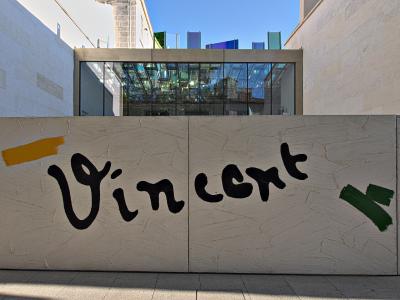
Van Gogh Foundation (Fondation Van Gogh Arles)
Van Gogh’s Arles home hosting contemporary art
From €8 Art Museums · Cultural Centers
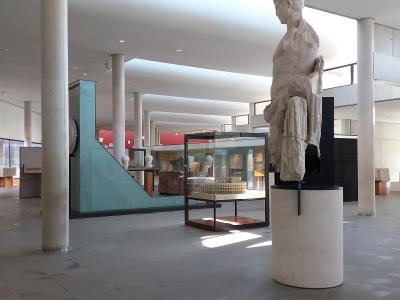
Arles Antique Museum (Musée Départemental Arles Antique)
Roman antiquities museum housing the oldest bust of Juliu...
From €5 Heritage Trails · History Museums
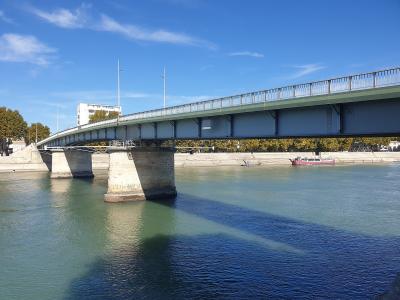
Pont de Trinquetaille
19th-century metal bridge with Van Gogh stairs
Bridges · Heritage Trails
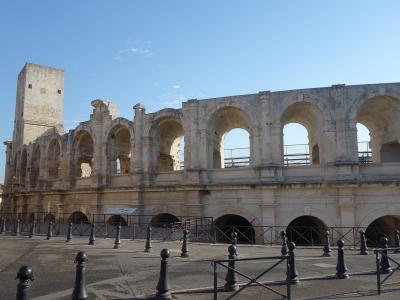
Arles Amphitheatre
UNESCO Roman amphitheatre hosting bullfights
Architectural Landmarks · History Museums
Questions people ask
Quick Facts
Best Time to Visit
April to June and September to October offer mild weather and fewer crowds for optimal exploration.