







Parc de la Garenne Lemot
19th-century sculptor’s park with Tuscan villa
- Admission
- Free admission
- Hours
- Open all year round; guided tours run in summer (July 13 to September 30 in 2026).
- Where
- Clisson, Pays de la Loire
- Directions
- Directions
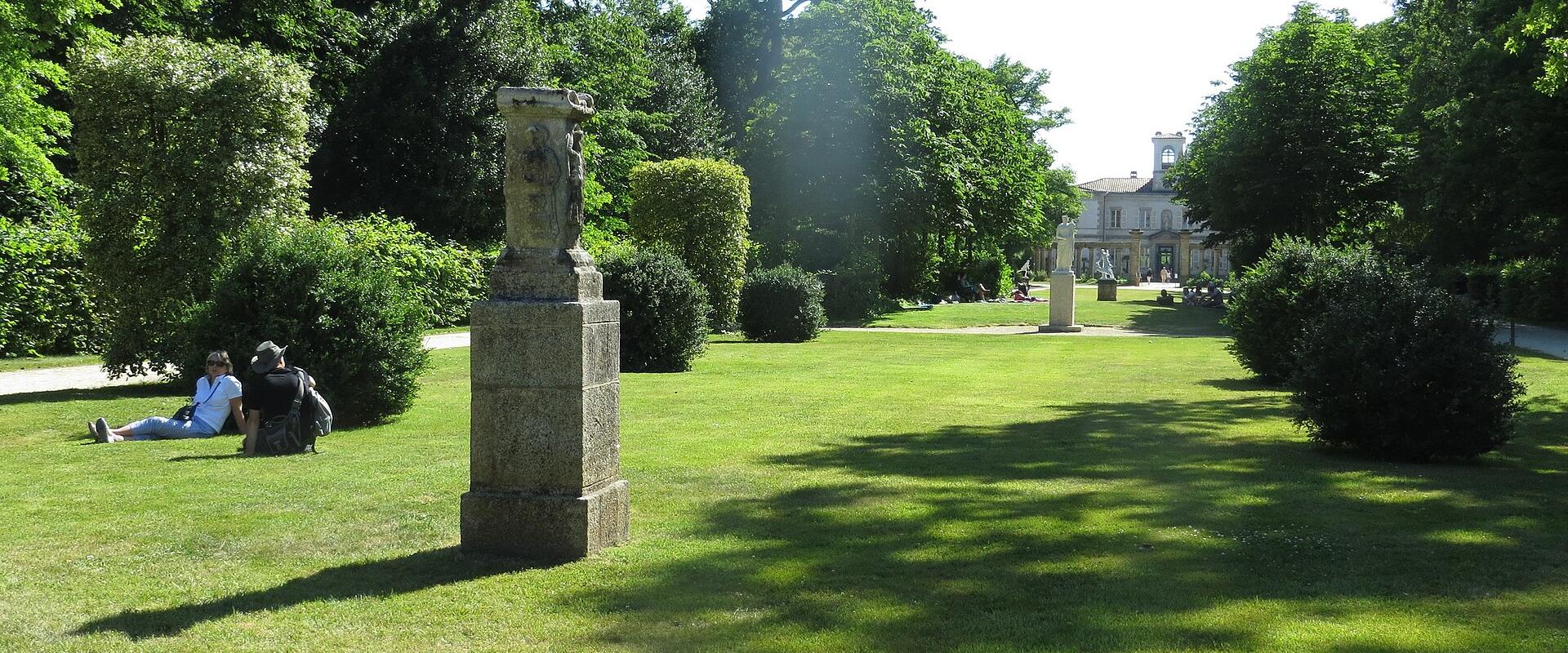
The Garenne Lemot is a landscape park and villa on the edge of Clisson, in the Loire-Atlantique department near Nantes. The estate straddles the communes of Gétigné and Clisson, along the river Sèvre, in a green valley of rocks, trees and old stone bridges. It is one of the most unusual places in the region, a corner of Italy transplanted to western France, and it is managed by the departmental council, which opens the grounds to the public.
The estate was created in the early nineteenth century by François-Frédéric Lemot, a sculptor who had trained in Paris and spent time in Rome, where he became a lover of Italian architecture and landscape. Lemot was one of the leading sculptors of his time and made, among other works, the equestrian statue of Louis XIV on Place Bellecour in Lyon. When he bought land at Clisson, the town had been devastated in the wars of the Vendée in the 1790s, and he took part in rebuilding it in an Italianate style, with houses with pale facades and low tiled roofs that look like a Tuscan village. The Garenne was his own retreat and garden.
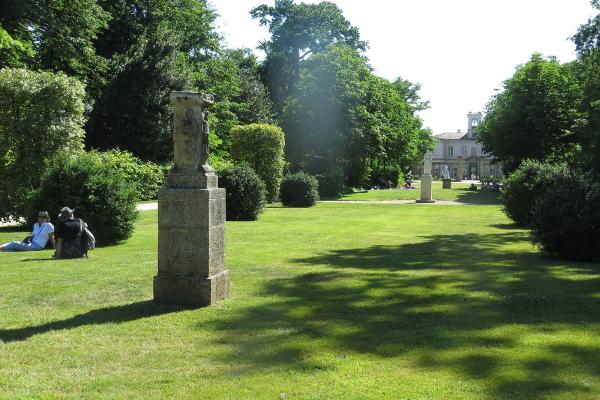
The park covers about 13 hectares and is arranged as a picturesque landscape, with winding paths, rocks, streams, terraces and small buildings. Among them is a neoclassical villa, built for Lemot and his family in the Italian style, together with a temple, a colonnade and other ornamental structures, such as the Temple of Vesta. The gardener's house, the Maison du Jardinier, hosts exhibitions of contemporary art, including shows that change through the year. Sculptures and statues placed along the paths recall Lemot's own profession and the garden's artistic aim.
Access to the grounds is free, while some buildings and exhibitions have their own opening times. The park is pleasant in any season, with spring flowers and autumn colour as highlights, and it is good for a quiet stroll. Paths can be uneven, so wear sturdy shoes.
The park suits garden lovers, art enthusiasts, families and those exploring the Nantes area. It is close to the medieval castle of Clisson and to the town's Italianate streets and market hall, so a half day can combine the park and the town.
Categories
More photos coming soon
Hours & Fees
- Open
- Open all year round; guided tours run in summer (July 13 to September 30 in 2026).
- Admission
- Free admission
Hours and prices change, especially out of season. Check with the venue before you go.
Nearby Attractions
Closest attractions by distance

Bouffes Nantaises
19th-century theater in Nantes
Museums & Culture
Cathédrale Saint-Pierre-et-Saint-Paul
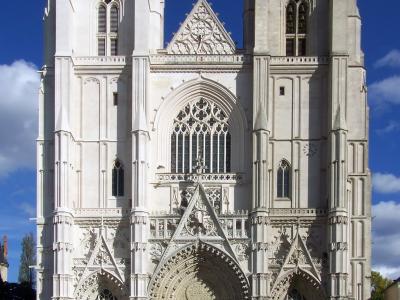
Renaissance and Gothic cathedral with white Breton stone
Free Historic Architecture · Churches
Château des Ducs de Bretagne
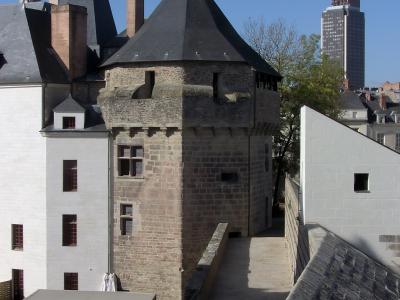
15th-century ducal fortress and history museum
Free Castles · Heritage Trails

La Machine de l'Île - The Grand Éléphant
12m mechanical elephant ride in Nantes
Museums & Culture · Urban Exploration
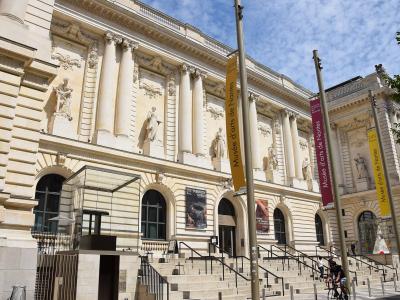
Musée d'Arts de Nantes
Nine-century art in historic and modern spaces
From €9 Art Museums · Palaces
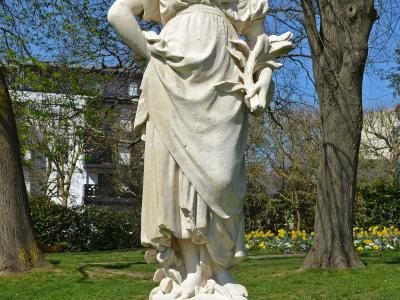
Parc de Procé
English-style park with notable trees in Nantes
Historic Architecture · Nature & Parks
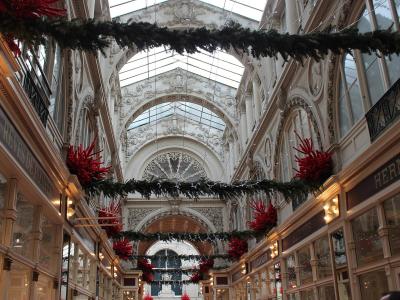
Passage Pommeraye
1843 glass-domed commercial passage with Renaissance scul...
Free Historic Architecture · Urban Exploration
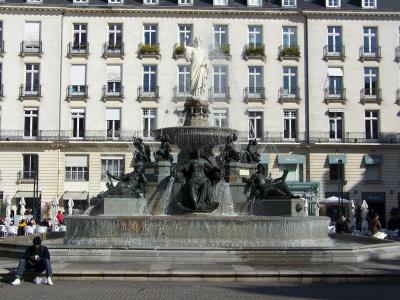
Place Royale
Neoclassical square with 1865 Loire fountain
Free Historic Architecture · City Centers
Questions people ask
Quick Facts
Best Time to Visit
May to September suits the riverside walks and parks, and June brings the Hellfest metal festival, so book early or avoid that weekend. September also has the wine harvest. Winters are grey but quiet.