







Clisson
Italianate river town of Muscadet country, rebuilt after the Vendée wars
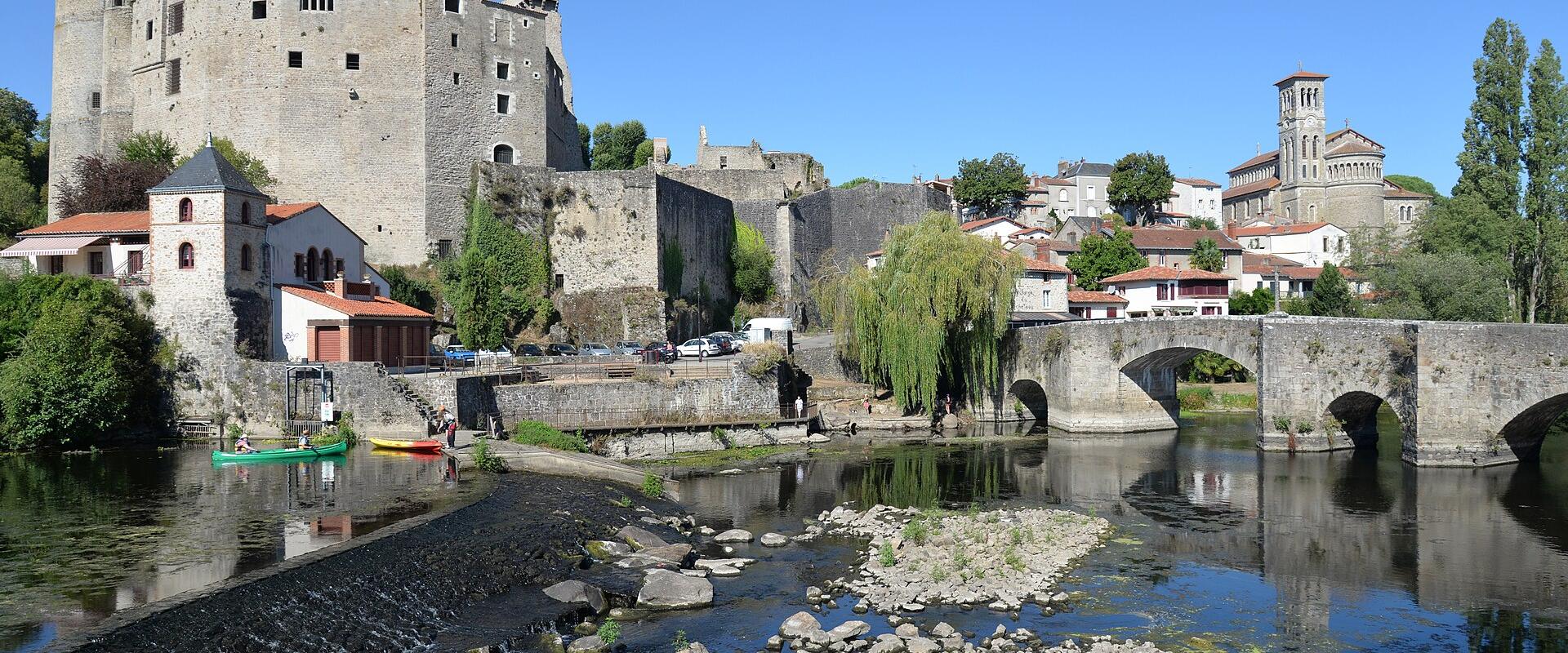
Clisson stands on a rocky bend where the Moine flows into the Sèvre Nantaise, about twenty-seven kilometres south-east of Nantes. The land here is more rugged than the usual flat Atlantic plain. Granite outcrops, steep banks and wooded slopes rise above the water, and the town is built on and around them. It is in the Muscadet-Sèvre-et-Maine wine region, and close to the old border between Brittany and Poitou, and the Vendée begins just to the south.
The name is that of one of the great families of medieval Brittany. Olivier V de Clisson fought alongside Bertrand du Guesclin and became Constable of France in 1380, a powerful and rich figure of the Hundred Years' War. His mother, Jeanne de Clisson, took revenge after the execution of her husband in 1343 and gained the name of the Lioness of Brittany. The family's castle, built from the thirteenth century and reinforced in the fifteenth, is the best medieval monument in the town. Its ruined towers, gatehouse and keep can be visited, and give a good idea of the scale of a Breton fortress.
The French Revolution brought catastrophe. During the War in the Vendée, in 1793, republican troops burned Clisson and its castle, and most of the town was destroyed. The ruins were bought by François-Frédéric Lemot, a sculptor who had made a career in Paris under Napoleon and had spent time in Rome. Lemot, with the help of friends who had also known Italy, rebuilt the town in a style that borrowed from Tuscany and the Roman countryside. The result is unusual in western France: houses with ochre-coloured façades, shallow roofs, a covered market hall, public gardens and bridges, all arranged in a picturesque setting among the rocks.
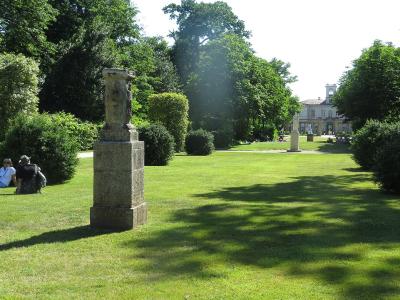
The Garenne Lemot, the estate that Lemot made for himself on the edge of town, is the finest example. It is a landscape park on the Sèvre, planted with trees and decorated with an Italian-style villa, a garden temple inspired by Roman models, and a gardener's house. Paths follow the river and climb among the boulders, and there are small bridges and quiet corners. The park lies partly in the neighbouring commune of Gétigné. It is well suited to a half-day visit with a picnic. The villa and some buildings have their own opening times, so check before going.
In town, a stroll takes in the castle, the market hall, the Gothic bridge over the Moine and the viaduct that crosses the valley above the rooftops. A path along the river leads to a few viewpoints and to the gardens of the old town, and the narrow streets near the castle hold cafés and small shops. The nearby vineyards produce Muscadet, a dry white wine that goes well with seafood, and Clisson is also the name of one of the designated crus of the Muscadet appellation. Several estates around the town welcome visitors for tastings.
Clisson is best known to music fans for the Hellfest, a large heavy-metal festival held every June on a site outside the town since 2006. If you do not wish to share the town with a crowd of festival-goers, avoid that weekend; if you do, book accommodation far in advance.
Nantes is a short ride away by train, and the regional line from Nantes towards La Roche-sur-Yon stops at Clisson, which makes day trips from the city easy. By road, the town is about half an hour from Nantes. The Vendée coast and the Puy du Fou are not far south, and the Loire valley and the Anjou vineyards lie to the east.
The best months are May to September, when the park is green and the rivers are pleasant, and the harvest in September adds interest to the vineyards. In winter, the town is quiet, and the stone ruins have a moody beauty on grey days, but several attractions close or reduce their hours.
Best time to visit
May to September suits the riverside walks and parks, and June brings the Hellfest metal festival, so book early or avoid that weekend. September also has the wine harvest. Winters are grey but quiet.
What to see in Clisson
Our picks first.
Clisson by interest
The same sights, grouped by what you came for.
Planning a visit to Clisson
Good to know
- Currency
- EUR
- Language
- French
Quick Facts
Book your stay
Questions people ask
More places in Pays de la Loire
Pays de la Loire
Nantes
Creative Loire city with mechanical elephants and history
Pays de la Loire
Saumur
Loire Valley town known for castle, horses, and wine
Pays de la Loire
Angers
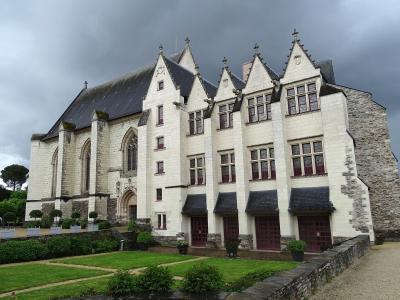
Historic Anjou capital with Apocalypse Tapestry and medieval castle
Pays de la Loire
La Baule
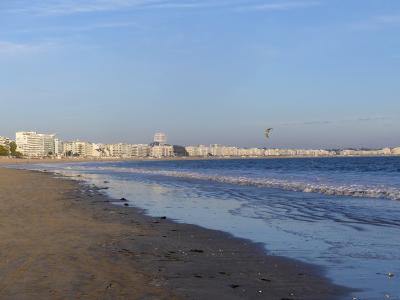
Chic Atlantic resort with 8km sandy beach and Art Deco villas