







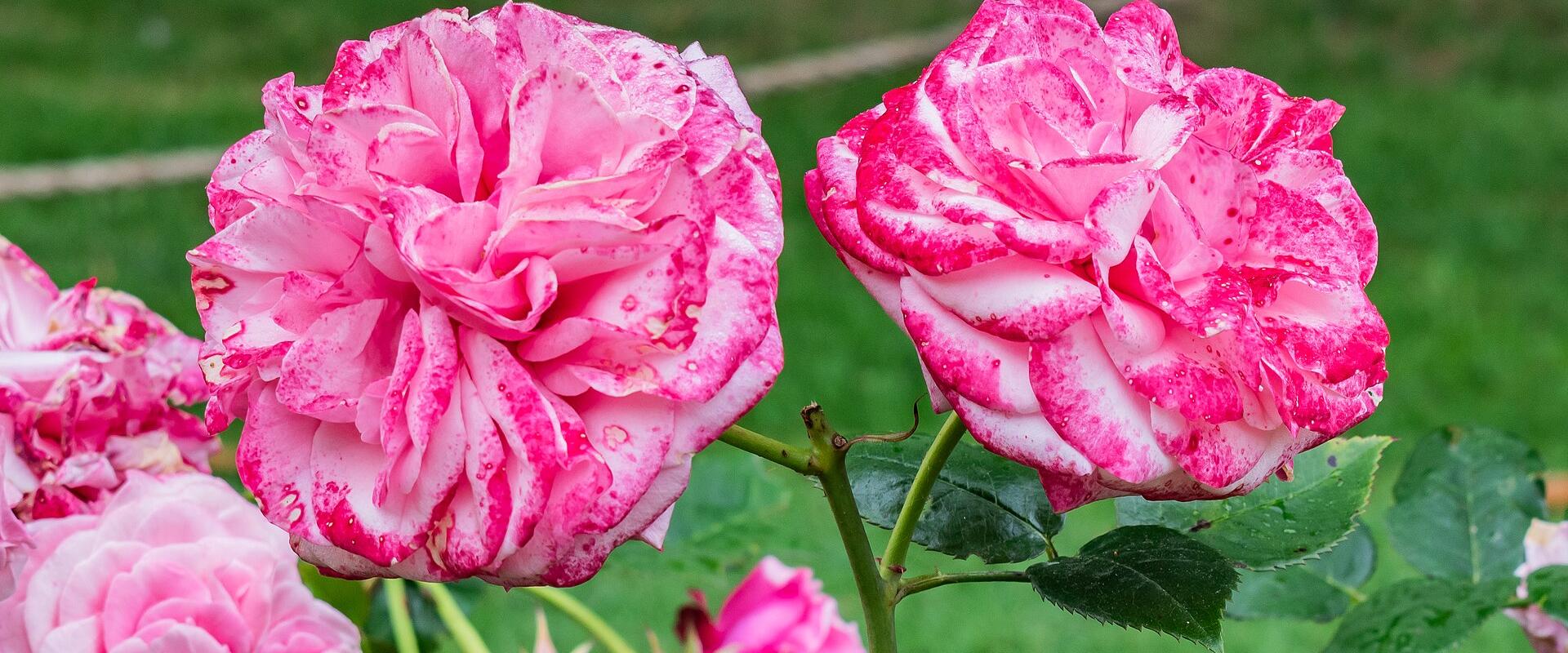
- Where
- Angers, Pays de la Loire
- Directions
- Directions
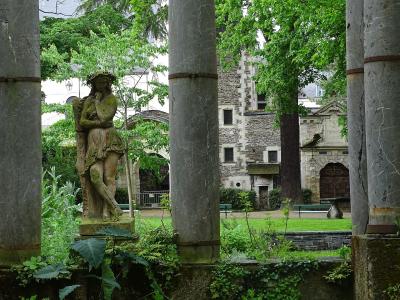
Angers is a city of gardens, and the Parc de la Roseraie is one of its quiet green spaces, a public park in the residential district that takes its name from the roses. It is a place for everyday outdoor life, with wide paths, benches, lawns, a fountain and areas for children, and it attracts local families, walkers and joggers who want a break from the streets. It is not a famous attraction, and the pleasure of it is in the easy, unhurried atmosphere of a neighbourhood park, which is open to all and free to enter.
The setting is part of the explanation. Anjou, the region around Angers, is one of the main centres of plant growing in France. The mild climate and fertile soils of the Loire valley have long favoured horticulture, with nurseries producing flowers, shrubs, fruit trees, vines and roses, and Angers is home to institutions of research and teaching in plant science, as well as a major trade fair for the plant industry. Roses have a particular place in this tradition. Rose breeders in the Loire Valley have created many famous varieties, and the town of Doué-la-Fontaine, not far from Angers, is known for its rose nurseries. A park with the name of the Roseraie belongs naturally to this setting, and visitors who come in late spring and early summer will find roses in bloom in the Loire valley.
Angers has many other parks. The Jardin des Plantes, one of the oldest botanical gardens in France, the Jardin du Mail and the Parc de la Garenne are close to the centre, and the Terra Botanica theme park, devoted to the plant world, is on the edge of the city. The banks of the river Maine, which runs through the city, have walking and cycling paths. The city's reputation as a green city is reflected in the many awards it has received for its parks and flower displays.
The heritage of Angers is an equal draw. The Château d'Angers, a huge fortress with seventeen towers built of black schist and white tuffeau, houses the Apocalypse Tapestry, a masterpiece of medieval art made in the fourteenth century, and the Cathédrale Saint-Maurice, with its Angevin Gothic vaulting and old stained glass, stands nearby. The Musée Jean-Lurçat et de la Tapisserie Contemporaine, the Musée des Beaux-Arts and the Place du Ralliement, with its theatre, are in the centre, and the Quartier Saint-Aubin is a pleasant district for walking. Angers is also known for its liqueur, the Cointreau, and the wines of Anjou.
The park suits families, walkers and picnickers. It follows seasonal opening hours, with longer days in summer, and the gates close at set times, so check at the entrance. A visit can last an hour or so, and it combines well with a day in the city centre. Spring and early summer are the best times, when flowers are in bloom.
Categories
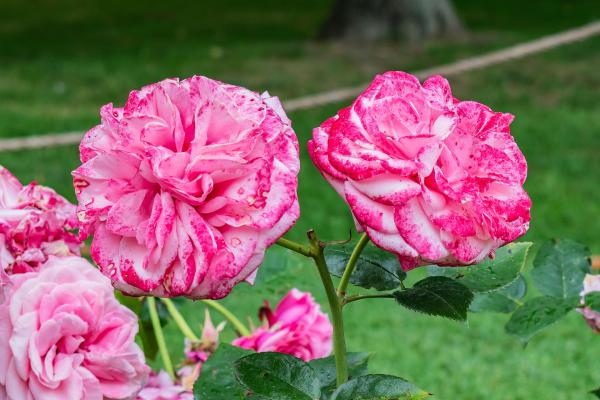
More photos coming soon
Nearby Attractions
Other places to visit in Angers
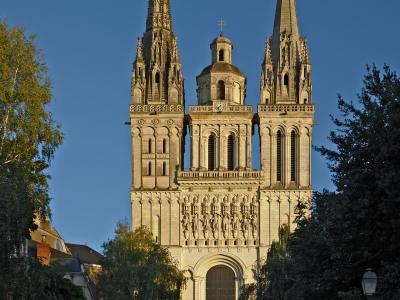
Cathédrale Saint-Maurice
12th-century Gothic cathedral with stained glass
Historic Architecture · Museums & Culture
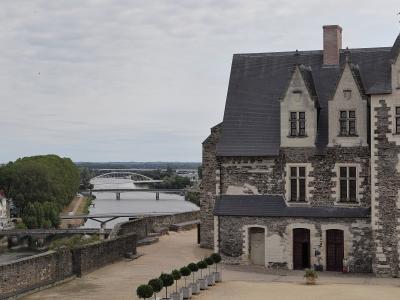
Château d'Angers
Medieval fortress housing the Apocalypse Tapestry
From €11 Castles · Gardens

Quartier Saint-Aubin
Free historic tower with panoramic city views
Guided Experiences · Historic Architecture
Musée Jean Lurçat et de la Tapisserie Contemporaine
Jean Lurçat’s Le Chant du Monde in a 12th-century hospital
From €6 Historic Architecture · Museums & Culture
Questions people ask
Quick Facts
Best Time to Visit
Mid-June to mid-September offers warm weather and ideal conditions for outdoor activities and sightseeing.