







- Where
- Versailles, Île-de-France
- Directions
- Directions
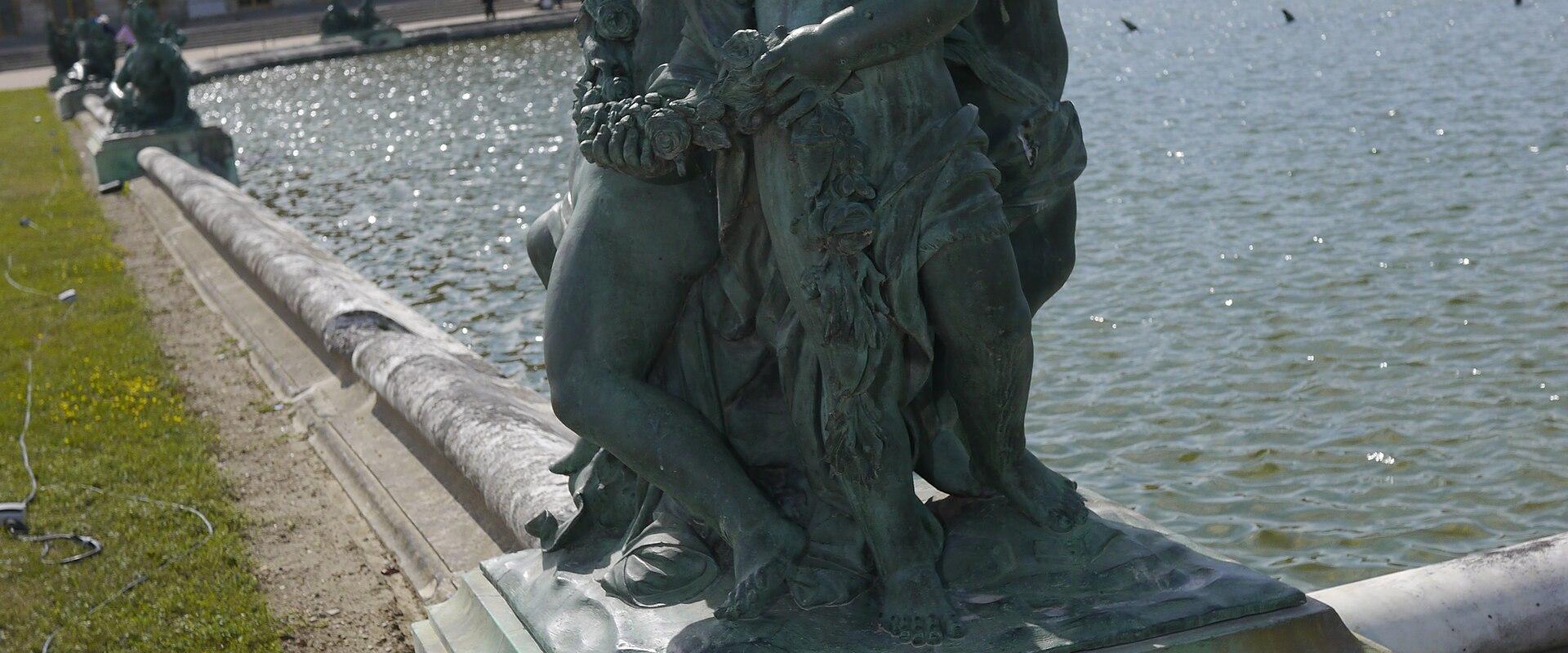
The Parterre d'Eau is the first part of the gardens of Versailles that a visitor sees on stepping out of the palace, and it sets the tone for everything that follows. It is a broad terrace directly below the Hall of Mirrors, on the west front of the château, and it holds two large rectangular pools of still water, edged with white marble and decorated with bronze sculptures. The design is the work of André Le Nôtre, the gardener of Louis XIV, who laid out the gardens in the 1660s and 1670s, and the terrace was given its present form in the 1680s, during the last great campaign of work on the palace.
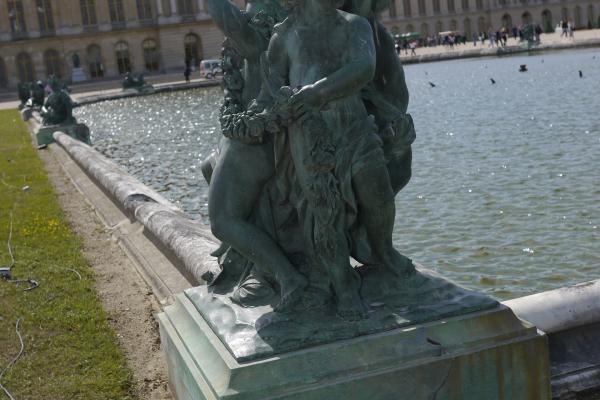
The pools are meant to work as mirrors. The still surface reflects the sky and the façade of the palace, doubling the building and making the space feel limitless, and the effect is at its best on a calm, bright day. This idea of a water parterre, a flat garden of water rather than flowers, was a way to show off the king's mastery over nature and to give the palace a base of light. Around the edges of the pools are twenty-four bronze figures, made between 1685 and the early 1690s by leading sculptors of the king's workshops and cast by the Keller brothers, who were the best founders of the time. They represent the rivers of France, such as the Seine, Marne, Loire, Garonne and Rhône, along with nymphs and children, and the whole group makes a celebration of the water and the kingdom.
From the terrace, a short flight of steps leads down to the Fountain of Latona, with its rising tiers of marble basins, and beyond it the long green carpet of the Tapis Vert leads toward the Grand Canal, so the view down the axis of the gardens is one of the most famous in France. To the left and right the Parterre du Nord, with its fountains and statues, and the Parterre du Midi, which overlooks the Orangery, show other designs by Le Nôtre. In spring and summer the beds are planted in formal patterns.
The gardens are open every day, and access is free in most seasons, but between April and October on certain days, usually weekends, fees apply for the Musical Fountains Shows and the Musical Gardens, when the fountains play to music of the baroque period, and the park is closed to those without a ticket. Entry to the palace itself needs a ticket. Check the calendar of events before you go, and expect security checks at the entrance and limits on the size of bags. Audioguides and an app with maps are available, and the site can be reached by three train stations in Versailles. Allow at least a day to see the palace and a part of the park.
The terrace is within a few steps of the Gallery of Battles and the Church of the Royal Domain, and a path leads to the Grand Canal, the Trianon and the Queen's Hamlet. It suits everyone who comes to Versailles.
Categories
More photos coming soon
Nearby Attractions
Other places to visit in Versailles
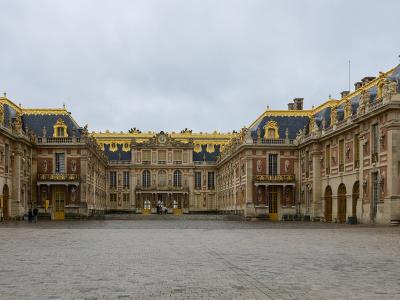
Palace of Versailles (Château de Versailles)
UNESCO site with 2,300 rooms in Versailles
Gardens · History Museums
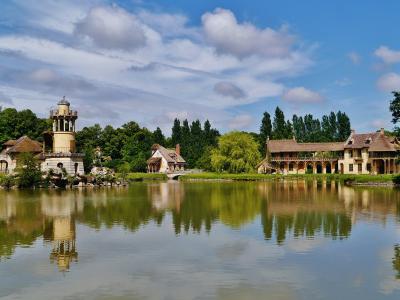
The Queen's Hamlet (Hameau de la Reine)
18th-century model village with working dairy
Guided Experiences · Historic Architecture
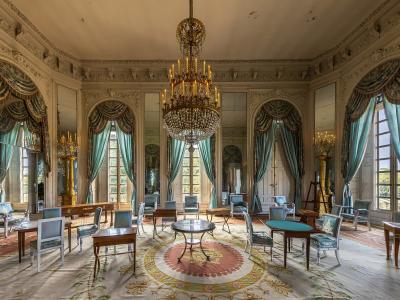
Trianon Estate Market
Marie-Antoinette's intimate retreat with rustic hamlet
Guided Experiences · Historic Architecture
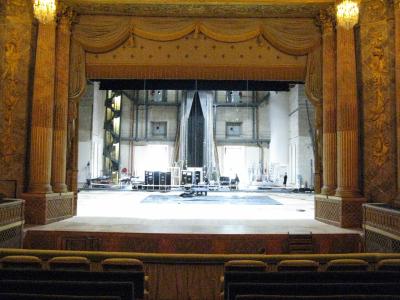
Royal Opera of Versailles
Historic opera house in Versailles, France
Historic Architecture · Museums & Culture
Questions people ask
Quick Facts
Best Time to Visit
March to July offers favorable weather and ideal conditions for exploring the gardens and outdoor attractions.