







The Queen's Hamlet (Hameau de la Reine)
18th-century model village with working dairy
- Admission
- Passport ticket or Trianon and Marie-Antoinette's
- Hours
- Daily except Mondays: April–October 12:00 pm–6:30 pm; November–March 12:00 pm–5:30 pm
- Where
- Versailles, Île-de-France
- Directions
- Directions
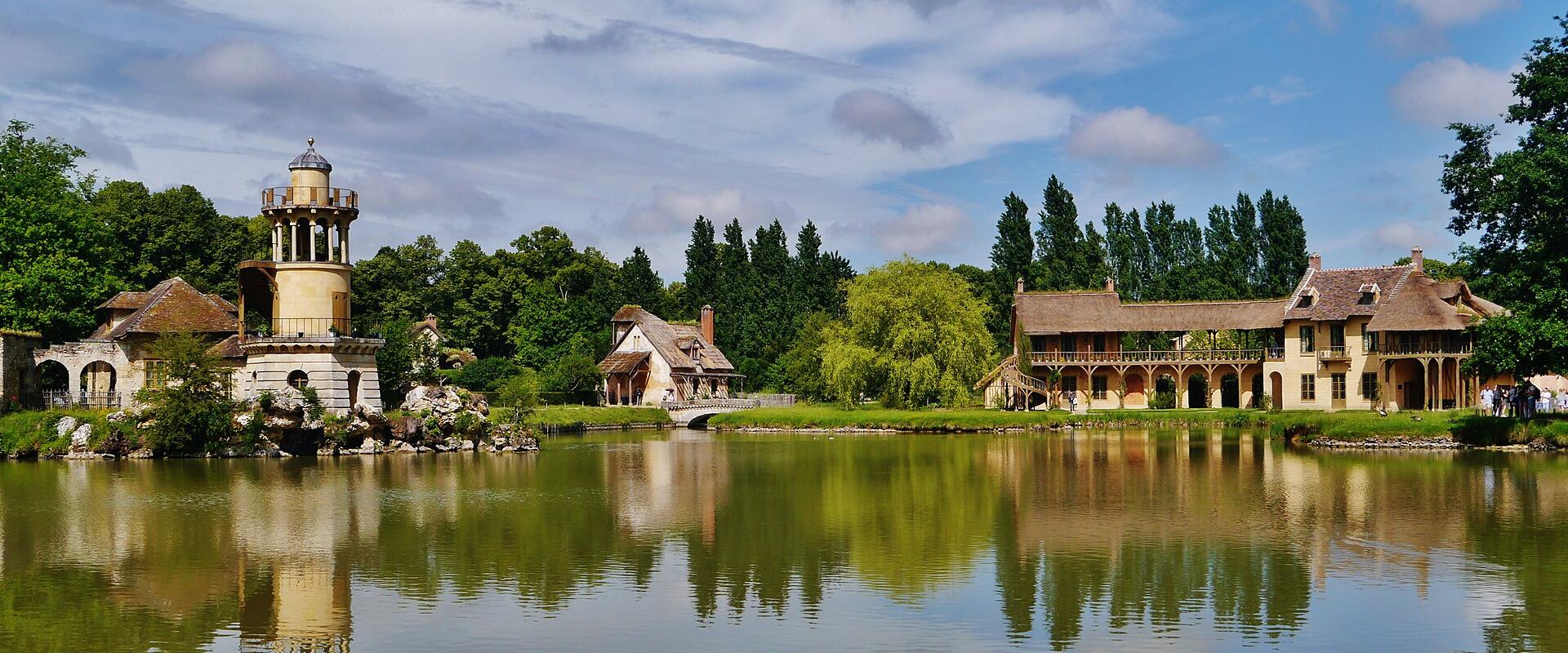
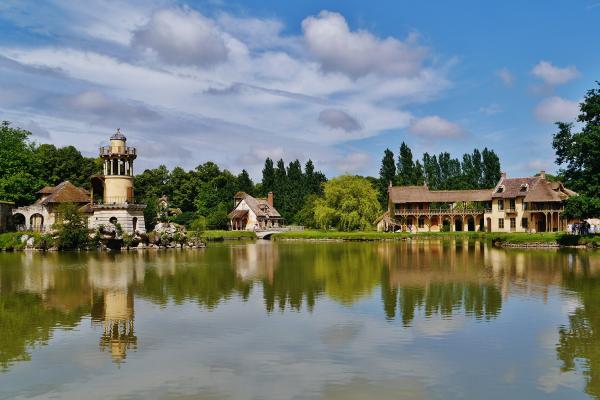
The Queen's Hamlet, or Hameau de la Reine, is a made-up village in the grounds of the Trianon estate at Versailles, built for Marie-Antoinette between 1783 and 1786. The architect was Richard Mique, who had already worked for the queen at the Petit Trianon, and he designed a group of about a dozen buildings around an artificial lake. From the outside they look like the cottages and farm buildings of a Norman village, with thatched or tiled roofs, timber frames, crumbling plaster painted on and wooden balconies hung with flowers, but they were created with great care and the interiors of some are surprisingly refined.
The queen's idea was a retreat from the formality of court life. The pastoral fashion of the eighteenth century, influenced by the writings of Rousseau, made country life an ideal, and the hamlet gave the court a stage on which to act it out. The buildings are divided into two groups. One side was for the queen's pleasure, with the Queen's House, joined by a wooden gallery to the Billiard House, the Boudoir and a mill. The other side was a working farm, with a farmhouse, a barn, a dairy, a dovecote and a small guardhouse, and actual animals and gardeners kept it running. The Marlborough Tower, a round tower beside the lake, was used for fishing and was a small lighthouse for show.
Visitors walk around the lake on a path that passes each building, and the setting is charming at any time, though especially so in spring and early summer when the gardens are in flower. The kitchen gardens and orchards have been replanted in the style of the period, and the farm again has animals. Some interiors can be seen on certain days, and an audio guide, available on site, explains the buildings. The look of the hamlet reflects careful restoration, including work in the early 2000s that returned the roofs and gardens to their eighteenth-century appearance.
The hamlet lies at the far end of the Trianon estate, beyond the Petit Trianon and its gardens, so it takes some walking to reach it from the Palace of Versailles. A visit to the Trianons and the hamlet together takes at least half a day. It is open on most days except Monday, with afternoon opening hours that change with the season, and you need either a Passport ticket or the ticket for the Trianon and Marie-Antoinette's Estate.
The Grand Trianon, the Trianon Estate Market and the palace gardens are all nearby, and the Grand Canal is a pleasant continuation if you have time. The hamlet suits people who like gardens, architecture and the social history of the French court, and it is also a quiet place to rest after the crowds in the main palace.
More photos coming soon
Hours & Fees
- Open
- Daily except Mondays: April–October 12:00 pm–6:30 pm; November–March 12:00 pm–5:30 pm
- Admission
- Passport ticket or Trianon and Marie-Antoinette's
Hours and prices change, especially out of season. Check with the venue before you go.
Nearby Attractions
Other places to visit in Versailles
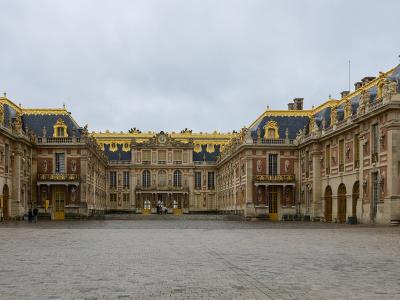
Palace of Versailles (Château de Versailles)
UNESCO site with 2,300 rooms in Versailles
Gardens · History Museums
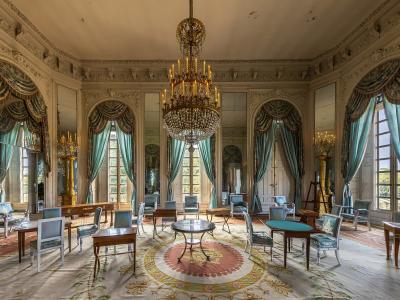
Trianon Estate Market
Marie-Antoinette's intimate retreat with rustic hamlet
Guided Experiences · Historic Architecture
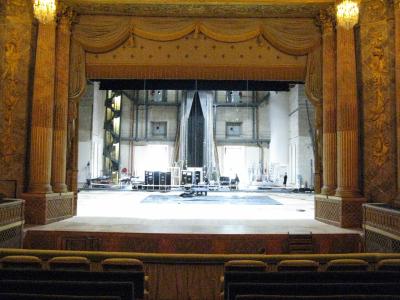
Royal Opera of Versailles
Historic opera house in Versailles, France
Historic Architecture · Museums & Culture
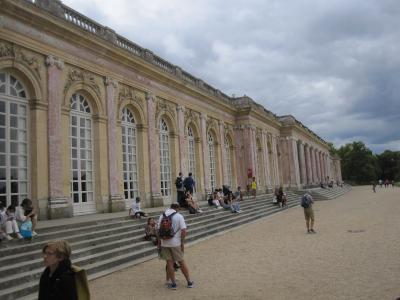
The Grand Trianon
18th-century pink marble palace in the Trianon estate
Free Gardens · Heritage Trails
Questions people ask
Quick Facts
Passport ticket or Trianon and Marie-Antoinette's
Best Time to Visit
March to July offers favorable weather and ideal conditions for exploring the gardens and outdoor attractions.