







- Where
- Versailles, Île-de-France
- Directions
- Directions
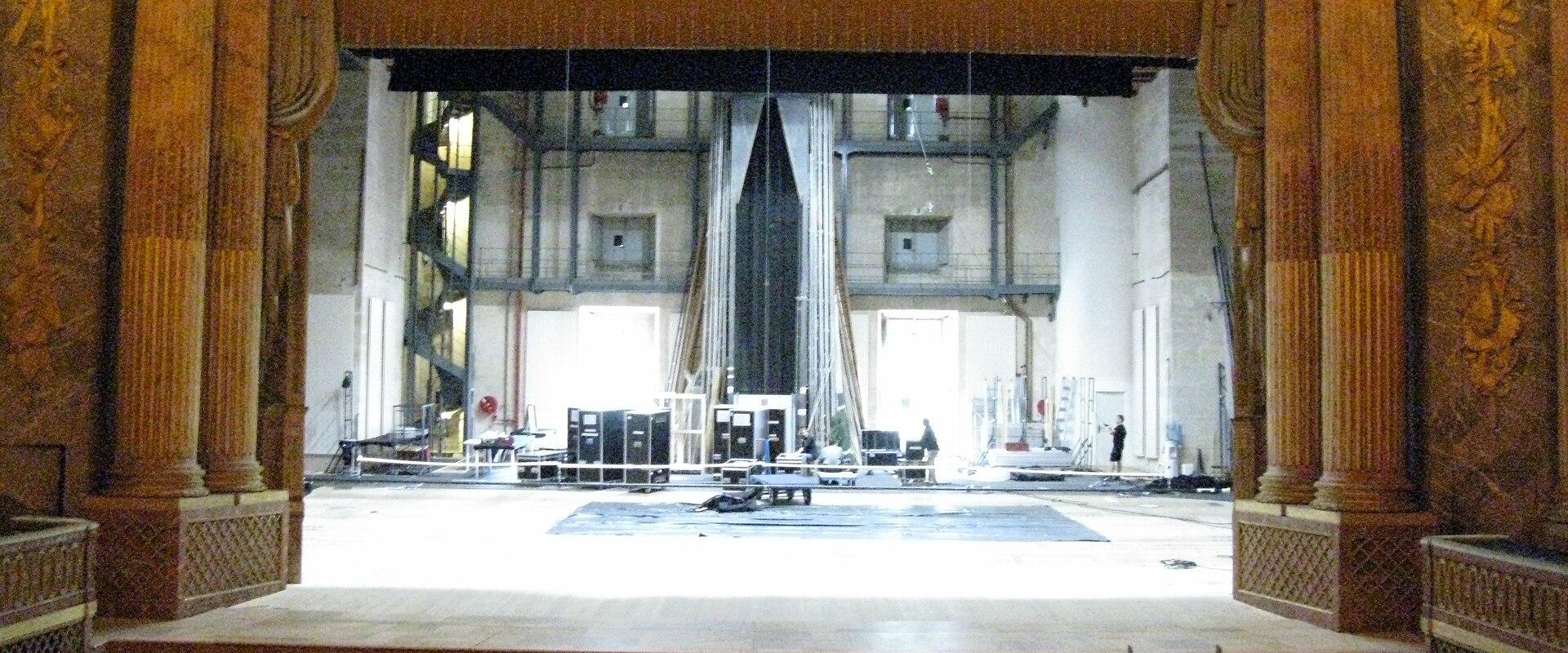
The Royal Opera of Versailles is one of the finest surviving theatres of the eighteenth century, tucked into the north wing of the château at the end of a long gallery. It was designed by Ange-Jacques Gabriel, the king's chief architect, for Louis XV, and was inaugurated on 16 May 1770 for the wedding celebrations of the Dauphin, the future Louis XVI, and the Austrian archduchess Marie-Antoinette. Louis XV had wanted an opera house at Versailles for decades, but the cost and the technical challenge of building it delayed the project until the marriage provided an occasion.
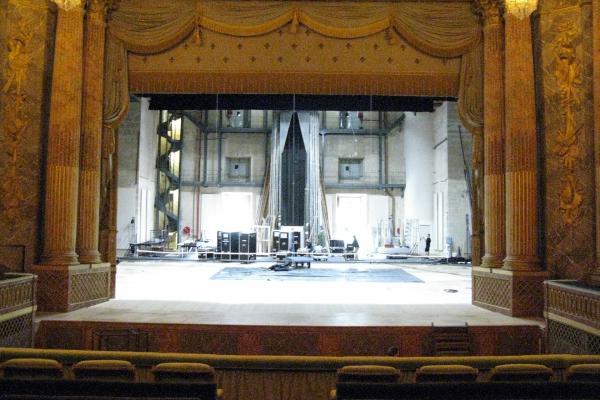
The design is both elegant and ingenious. Gabriel chose an oval plan, with tiers of boxes curving around the auditorium, and he built almost the entire interior of wood, which he painted to imitate marble. The wood gives the room an exceptional acoustic, with a warm, clear sound that is admired by musicians, and it also made the theatre lighter and cheaper to build than one in stone. The decoration is in blue, gold and marbled tones, with carved ornaments, sculptures and a painted ceiling, and the effect is of a jewel box scaled for a court rather than a public audience. The theatre seats about seven hundred people.
One of its most remarkable features is its mechanism. The floor of the stalls could be raised on jacks to the level of the stage, turning the whole space into a single ballroom for banquets and balls, as happened at the wedding in 1770. The stage machinery, which included devices for changing scenery and creating effects, was among the most advanced in Europe. For much of the following century the theatre was rarely used, and it came back to life in 1837, when King Louis-Philippe reopened it for a grand celebration. Restoration campaigns in the twentieth century and a major renovation completed in 2009 returned it to its original glory.
Today the theatre is a working opera house with a season of performances that includes staged operas, concert performances, recitals, ballets and theatre, with a strong focus on Baroque and classical repertoire, reflecting the music that was written for the court. Seeing a performance here, with the sound of period instruments filling the room, is a very different experience from visiting the palace in daytime. Visits to the theatre without a performance may be possible on guided tours at certain times, so check the Versailles programme for details.
An evening at the opera pairs with a day at Versailles. The state apartments and the Gallery of Battles show the political world of the court, and the Parterre d'Eau, the Grand Canal and the Grand Trianon with its gardens are the main sights outside. The Queen's Hamlet is a short walk from the Trianon, and the Trianon Estate market offers a lunch stop. The opera suits music lovers, history enthusiasts and anyone looking for a special evening, and tickets for popular performances should be booked well in advance.
Categories
More photos coming soon
Nearby Attractions
Other places to visit in Versailles
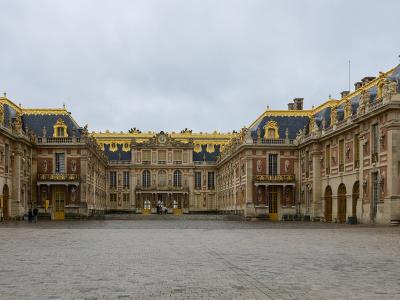
Palace of Versailles (Château de Versailles)
UNESCO site with 2,300 rooms in Versailles
Gardens · History Museums
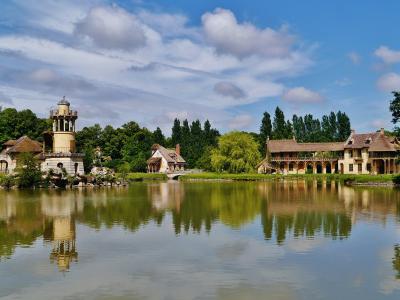
The Queen's Hamlet (Hameau de la Reine)
18th-century model village with working dairy
Guided Experiences · Historic Architecture
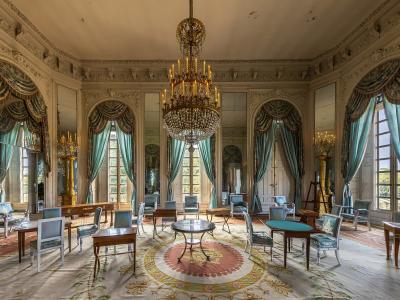
Trianon Estate Market
Marie-Antoinette's intimate retreat with rustic hamlet
Guided Experiences · Historic Architecture
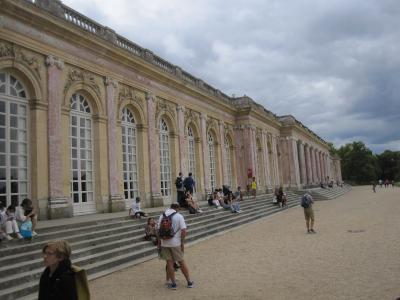
The Grand Trianon
18th-century pink marble palace in the Trianon estate
Free Gardens · Heritage Trails
Questions people ask
Quick Facts
Best Time to Visit
March to July offers favorable weather and ideal conditions for exploring the gardens and outdoor attractions.