







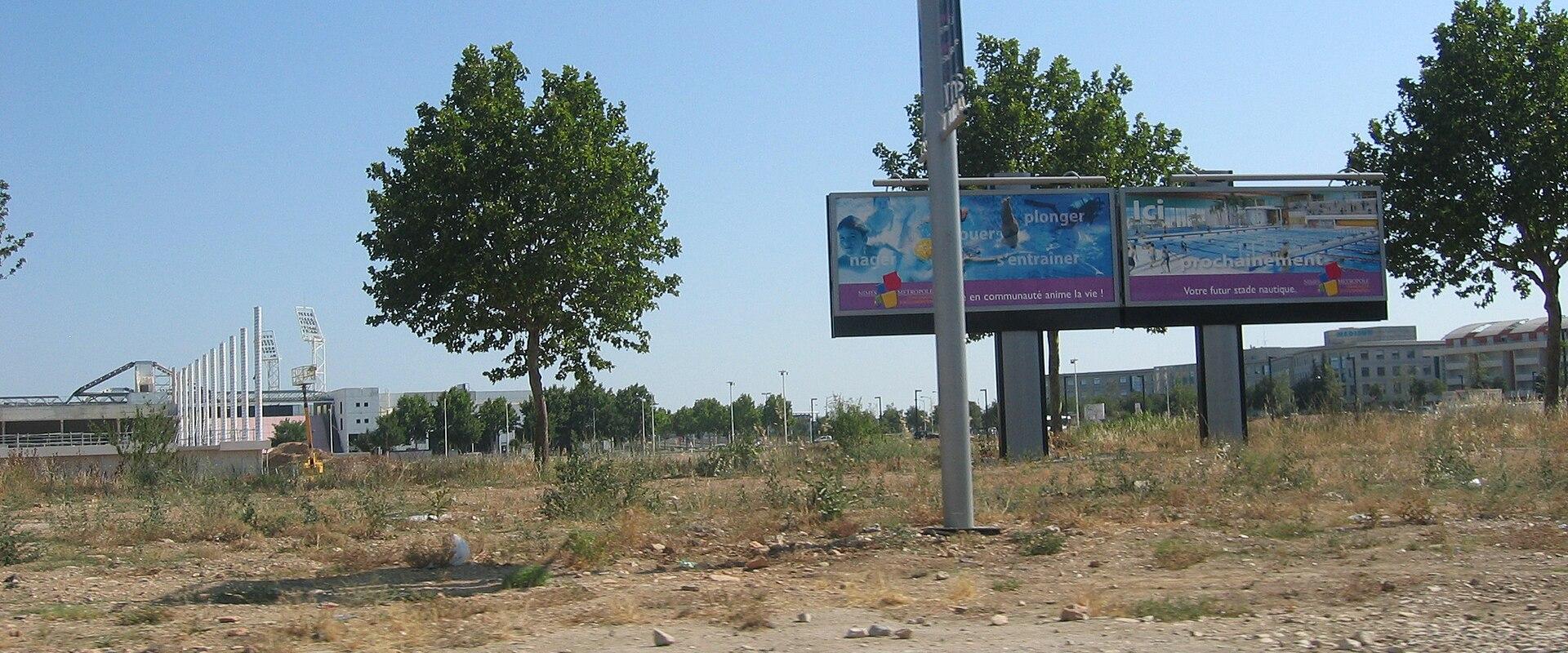
- Where
- Nimes, Languedoc-Roussillon
- Directions
- Directions
Nîmes, in the Gard, is the most Roman city of France after Rome itself in the number of monuments that survive, and visitors come mainly for its ancient heritage, though like any city of a hundred and fifty thousand people it also has municipal swimming pools and leisure facilities for residents. Few details of the pools are documented, and the schedules, prices and conditions of each pool change, so this description concerns the city and what a visitor finds beyond the water. For swimming, ask at the tourist office or check the city's website for current opening hours and rates. The city runs several centres, among them a modern aquatic and leisure complex known as Aquatropic, along with traditional neighbourhood pools.
The real attractions are the monuments. The Arènes, a Roman amphitheatre of the late first century, is one of the best preserved in the world, with two storeys of arches and room for around twenty thousand spectators, and it is still used for bullfights, concerts and shows. The Maison Carrée, a Roman temple of the first century BC, with elegant Corinthian columns, is the best-preserved temple of the Roman world, and the contemporary art museum Carré d'Art, designed by Norman Foster, faces it across a square, in a striking dialogue of old and new. The Jardin de la Fontaine, a garden of the eighteenth century laid out around a Roman spring, contains the ruins of the Temple of Diana, and a path climbs to the Tour Magne, a huge Roman tower on the hill, which gives views over the city. The Musée de la Romanité, opened in 2018 facing the arena, tells the story of Roman Nîmes through archaeology and modern display techniques, with a roof garden.
The city has other claims to fame. The word denim is said to derive from de Nîmes, the sturdy cotton cloth made in the area in the nineteenth century, which was exported to America and became the fabric of Levi Strauss's jeans, though the story of the origin is debated. Nîmes is also known for its cuisine, including the brandade de Nîmes, a purée of salt cod, and for its Feria de Pentecôte, a festival of bullfighting and street celebrations held in May or June, which attracts hundreds of thousands of visitors. The Pont du Gard, the tallest Roman aqueduct bridge, on the UNESCO World Heritage List, lies about twenty-five kilometres north-east of the city, and was part of the aqueduct that supplied Nîmes with water.
The historic centre is compact and pleasant to walk around, with pedestrian streets, squares and cafés. The Cathédrale Saint-Castor and the Théâtre Antique stand in the old town. A visit to the main Roman sites takes a day. The city suits history lovers, families and travellers touring the south of France.
Categories
More photos coming soon
Nearby Attractions
Other places to visit in Nimes
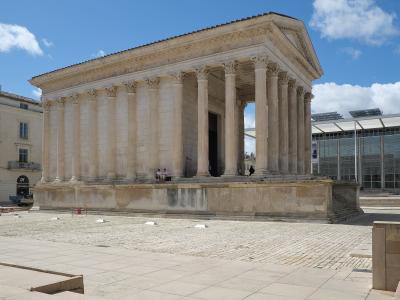
Carré d'Art
Contemporary art museum and library in Nîmes
From €6 Historic Architecture · Museums & Culture
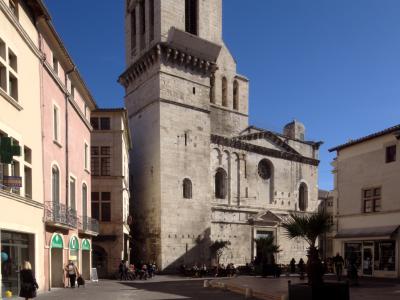
Cathédrale Saint-Castor
11th-century cathedral with Gallo-Roman sarcophagus
Free Historic Architecture · Museums & Culture
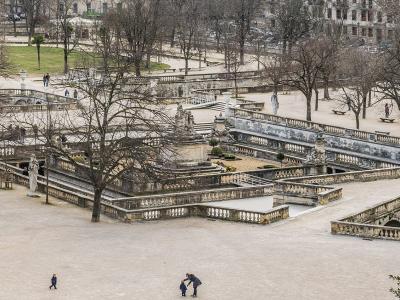
Jardin de la Fontaine
Europe's first public garden, 18th-century French design
Free Guided Experiences · Nature & Parks
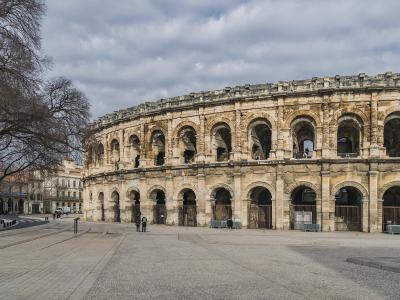
Arènes de Nîmes
Best-preserved Roman amphitheatre in the world
Historic Architecture · Museums & Culture
Questions people ask
Quick Facts
Best Time to Visit
April to June and September to October offer mild weather and fewer crowds for optimal exploration.