





Nimes
Ancient Roman city with well-preserved amphitheater and temples
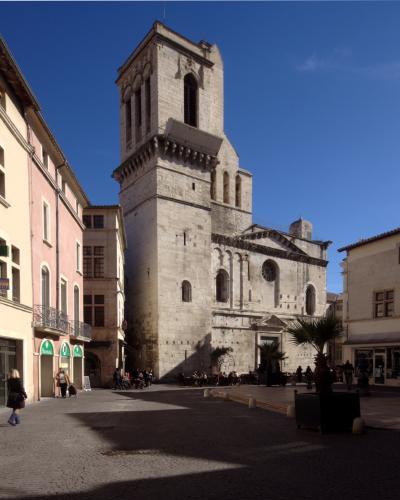
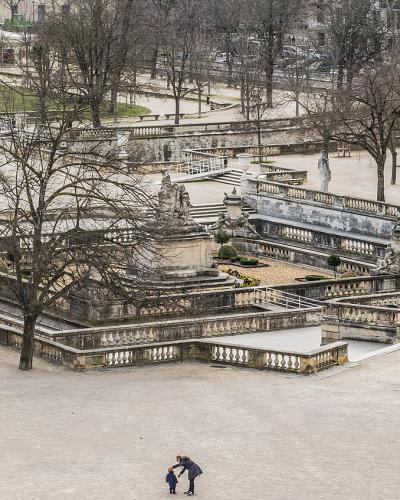
Nîmes, situated in the Gard department of southern France, is a city with a profound historical and architectural identity. Historically, it was founded as a Roman colony by Emperor Augustus in the 1st century BC, known as Nemausus. It became one of the most important cities in Roman Gaul, boasting impressive public works such as temples, baths, and an amphitheater. The city's strategic location made it a center for trade and administration. During the Middle Ages, Nîmes was a significant Huguenot stronghold, which influenced its religious and cultural landscape. The city survived various conflicts and periods of decline, but its Roman heritage remained intact, providing a unique urban fabric that blends ancient ruins with medieval and modern structures. The 19th and 20th centuries saw further development, including the construction of the Jardins de la Fontaine, a romantic English-style garden.
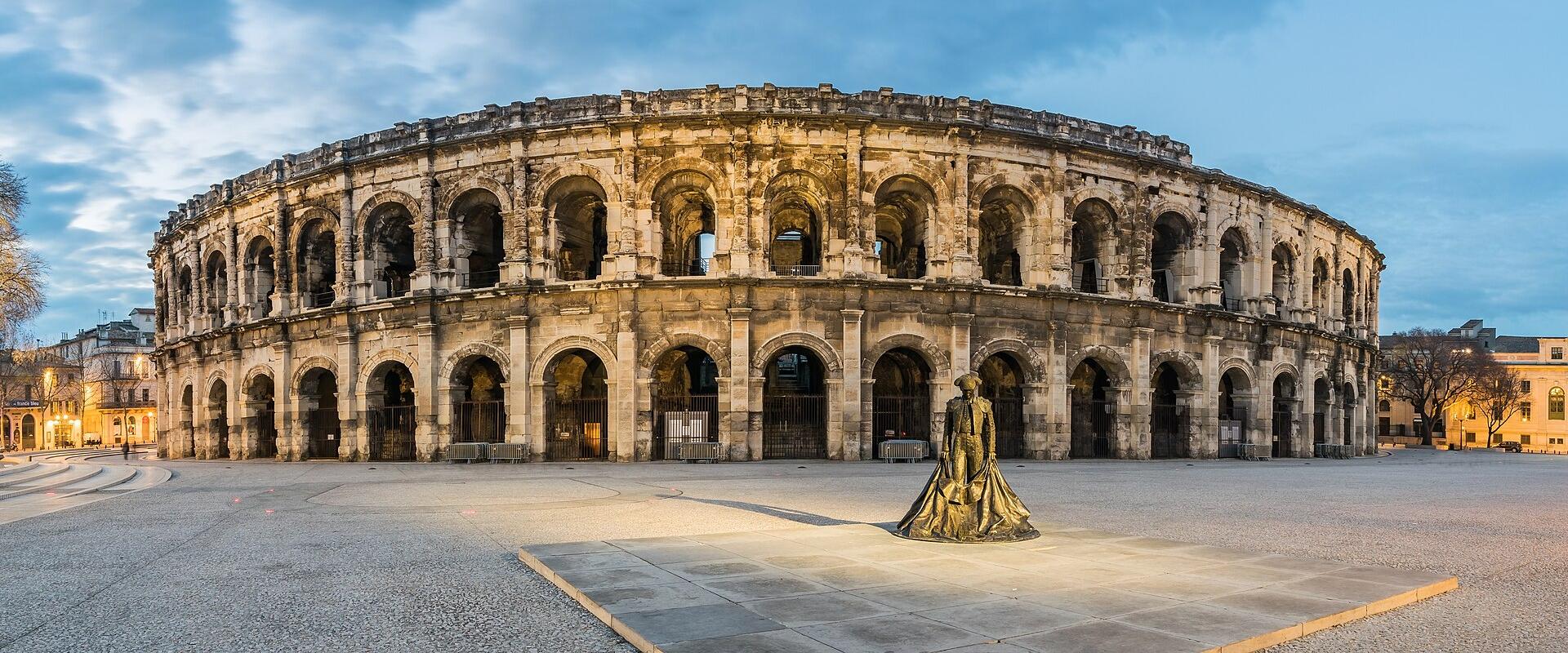
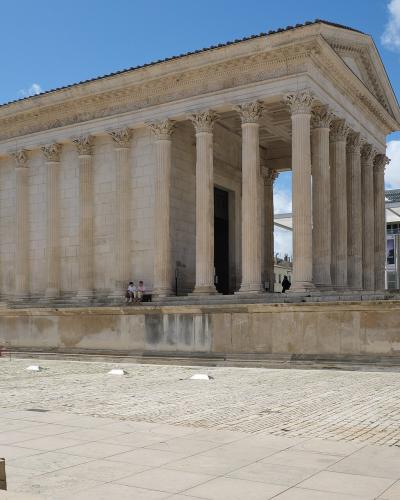
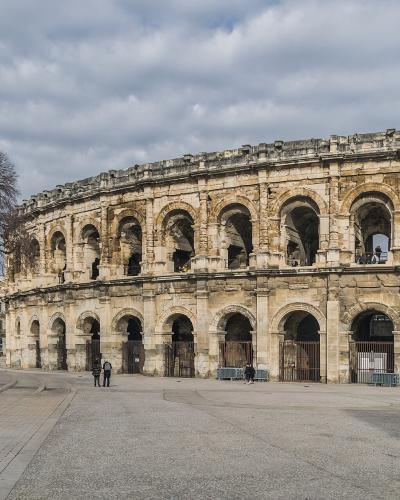
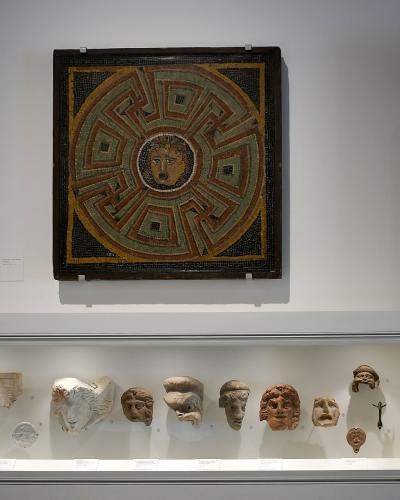
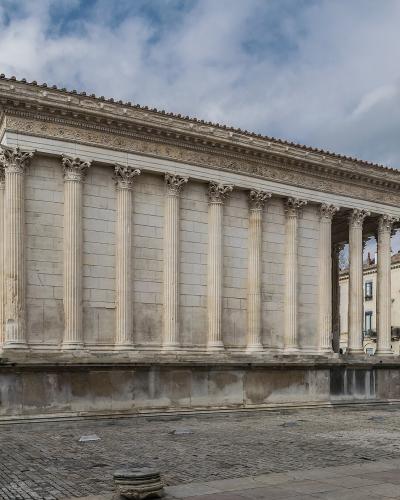
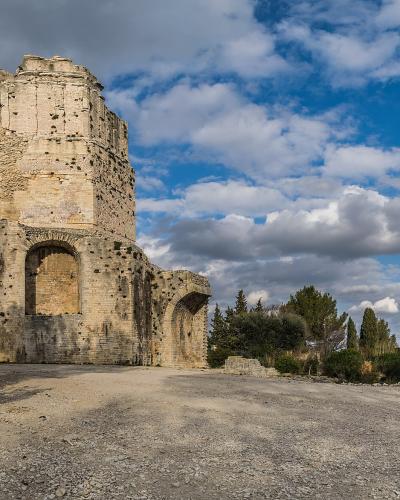
The main attractions in Nîmes reflect its Roman legacy and cultural vitality. The Arena of Nîmes is one of the best-preserved Roman amphitheaters in the world, still used today for bullfights, concerts, and other events. The Maison Carrée is a remarkably intact Roman temple, considered one of the best-preserved examples of its kind globally, and serves as a symbol of the city. The Tour Magne, a Roman tower, offers panoramic views of the city and the surrounding plains. The Jardins de la Fontaine, a lush garden built on a hillside, features Roman ruins, fountains, and a temple dedicated to Diane. The Musée de la Romanité, a modern museum, houses an extensive collection of artifacts from Nîmes' Roman past. The Carré d'Art, a contemporary architectural landmark, houses a library and art museum, showcasing the city's commitment to modern culture alongside its history.
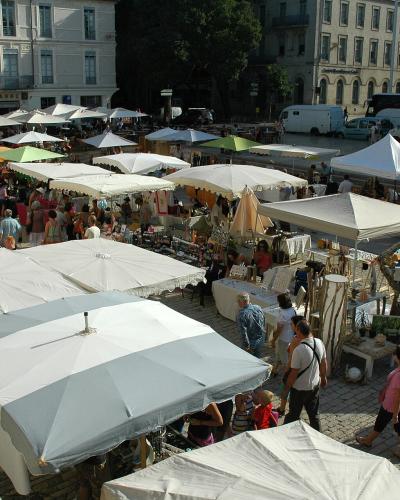
Nîmes offers various activities for visitors interested in history, culture, and nature. The city is a starting point for exploring the Camargue, a unique natural region known for its wetlands, wild horses, and flamingos. The Pont du Gard, a UNESCO World Heritage Site and Roman aqueduct, is located nearby and offers guided tours and hiking opportunities. The city hosts the Festival d'Arles, although primarily in Arles, Nîmes also hosts various cultural events, including the Nîmes Festival. The local cuisine features Provençal specialties, including ratatouille, bouillabaisse, and local wines from the Costières de Nîmes appellation. The Les Halles de Nîmes is a covered market where visitors can sample local products. The surrounding Cévennes mountains offer hiking and cycling trails.
Getting to Nîmes is convenient via train, with TGV services connecting it to Paris, Lyon, and other major French cities. The train station is located in the city center, making it easily accessible. For those traveling by car, Nîmes is connected by the A9 and A54 motorways. The best time to visit Nîmes is from April to June and September to October, when the weather is mild and pleasant, ideal for exploring the outdoor attractions and historical sites. July and August are the hottest months, with average highs around 33°C, but also the busiest. Spring and autumn offer milder weather and fewer crowds, making them suitable for sightseeing and wine tasting. Winter is cooler and quieter, offering a serene atmosphere for indoor museum visits. Nîmes combines historical depth, artistic richness, and natural beauty, making it a compelling destination for travelers seeking an authentic Roman and Provençal experience.
Best Time to Visit
April to June and September to October offer mild weather and fewer crowds for optimal exploration.
Plan Your Visit to Nimes
Essential travel tips and information for your trip to Nimes.
Suggested Itineraries
One Day in Nimes
1 dayPerfect for a quick visit. See the main highlights and get a taste of local culture.
Extended Nimes Experience
2-3 daysComprehensive exploration including nearby attractions and cultural experiences.
Travel Tips
Currency
EUR • Cards widely accepted
Language
French • English in tourist areas
WiFi
Free WiFi in cafes and hotels
Explore Nimes by Interest
Discover attractions and experiences in Nimes organized by your interests and travel preferences.


All attractions in Nimes
Sorted by our recommendation score

Quick Facts
Book your stay
Frequently Asked Questions
More destinations in Languedoc-Roussillon
Explore other amazing places in the Languedoc-Roussillon region