







- Admission
- See official website
- Hours
- January, February, November, December: 10am-4.45pm; March, October: 10am-6.15pm; April, Ma...
- Where
- Nimes, Languedoc-Roussillon
- Directions
- Directions
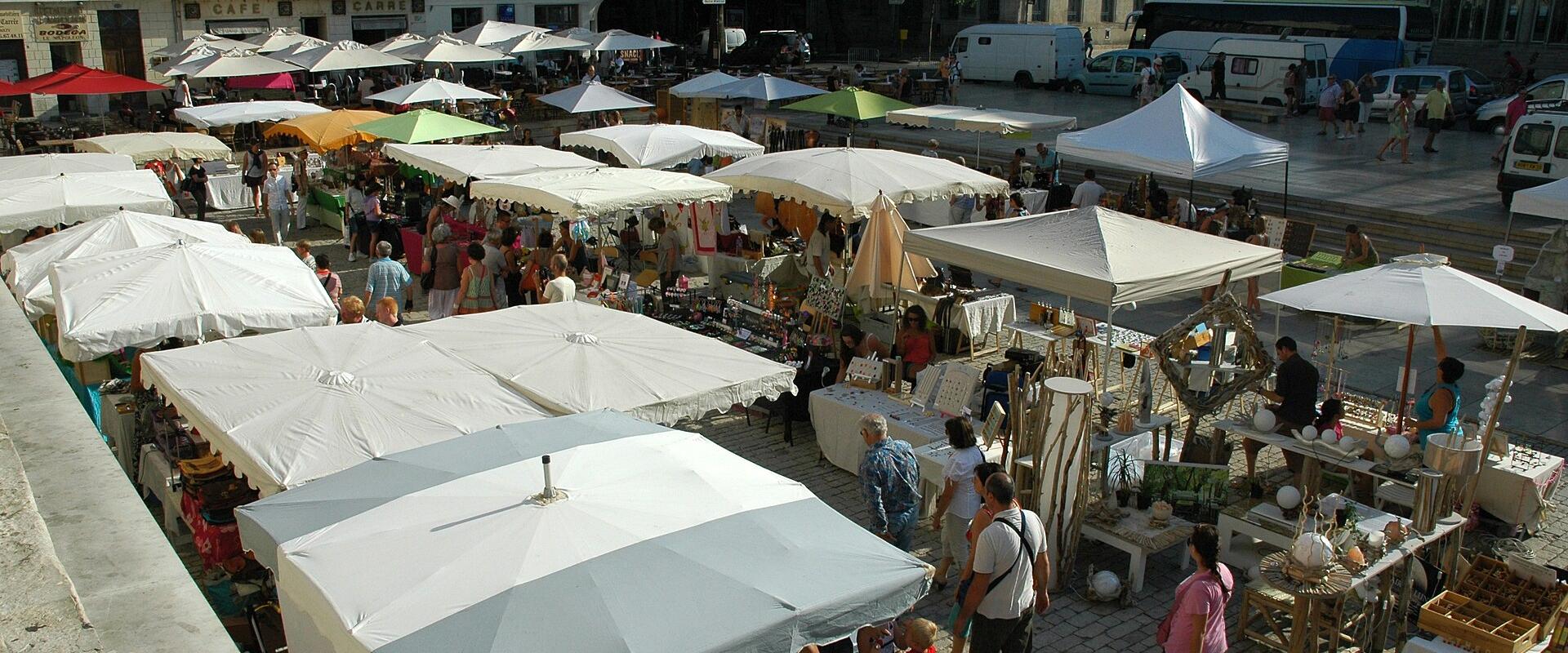
The Maison Carrée in Nîmes is often described as the best-preserved Roman temple in the world, and the square in front of it, the Place de la Maison Carrée, is the place to see it. The temple stands at the edge of what was once the Roman forum, in the middle of the old town, and its tall columns, deep porch and clean proportions make it look as though it were built yesterday. Visitors who approach it from the shaded streets of the centre come upon it almost suddenly, a pale golden building of limestone glowing in the southern light.
The temple was built at the end of the first century BC and the beginning of the first century AD, in the time of the emperor Augustus, and was dedicated to Gaius and Lucius Caesar, his grandsons and intended heirs, who both died young. It stands on a high podium and has six Corinthian columns across the front and an interior room, the cella, behind them. It measures about twenty-six metres by fifteen, and the elegant carved frieze of acanthus leaves above the columns shows the skill of the stonecutters. Its design owes much to Greek and Italian models, and it was one of the most refined monuments of Roman Gaul. At that time Nemausus, as the city was called, was an important colony, with an amphitheatre, a theatre, baths, a sacred spring and an aqueduct, the Pont du Gard, bringing water from Uzès.
Its survival is due to continuous use. Since the Middle Ages, the building has served as a consul's house, a stable, a church, a storehouse for archives and government offices, and in 1823 it became the first museum in Nîmes. This long use protected it from the fate of many Roman buildings, which were quarried for stone. Restoration work on the facades was carried out in the early twenty-first century. The temple inspired later architecture as well: Thomas Jefferson, who saw it on his travels in France, used it as a model for the Virginia State Capitol in Richmond, and it influenced neoclassical architects in Europe and America.
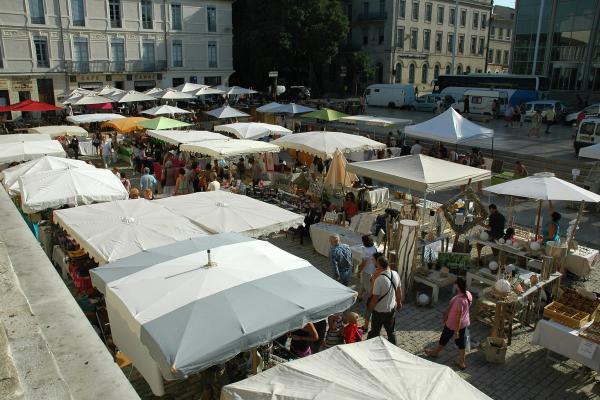
On the other side of the square stands the Carré d'Art, a contemporary art museum designed by the British architect Norman Foster and opened in 1993, whose glass and steel facade echoes the Roman temple's proportions. The contrast between the two buildings, separated by two thousand years, has made the square one of the favourite meeting places in the city, with café terraces and benches where people sit and look at both. Inside the Maison Carrée, a short film presents the history of Nîmes, and the building is open for visits at set hours that change with the season. In 2023, the temple was added to the UNESCO World Heritage List.
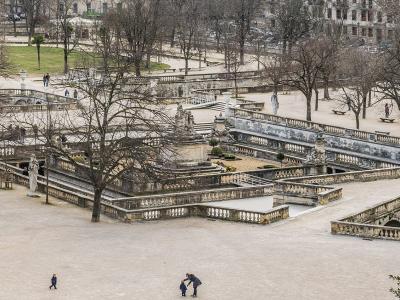
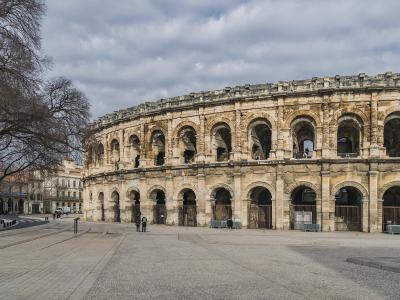
Other Roman monuments are close. The Arènes de Nîmes, a very well-preserved amphitheatre that still hosts bullfights and concerts, the Musée de la Romanité, opened in 2018 opposite the arena, the Théâtre Antique, and the Jardins de la Fontaine with the Temple of Diana and the Tour Magne, a Roman tower on the hill above, make up a rich circuit. The Cathédrale Saint-Castor and the Piscines de Nîmes are also in the old town. The square suits everyone, and it is a good place to begin a day in Nîmes.
Categories
More photos coming soon
Hours & Fees
- Open
- January, February, November, December: 10am-4.45pm; March, October: 10am-6.15pm; April, May: 10am-6.
- Admission
- See official website
Hours and prices change, especially out of season. Check with the venue before you go.
Nearby Attractions
Other places to visit in Nimes
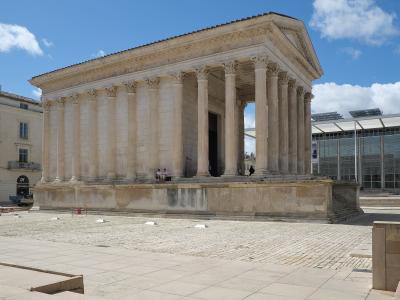
Carré d'Art
Contemporary art museum and library in Nîmes
From €6 Historic Architecture · Museums & Culture
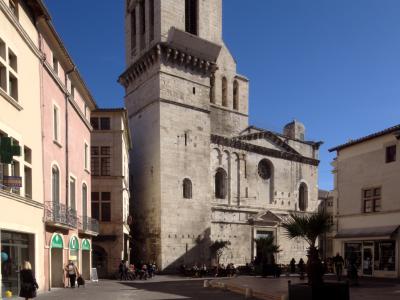
Cathédrale Saint-Castor
11th-century cathedral with Gallo-Roman sarcophagus
Free Historic Architecture · Museums & Culture
Jardin de la Fontaine
Europe's first public garden, 18th-century French design
Free Guided Experiences · Nature & Parks
Arènes de Nîmes
Best-preserved Roman amphitheatre in the world
Historic Architecture · Museums & Culture
Questions people ask
Quick Facts
Best Time to Visit
April to June and September to October offer mild weather and fewer crowds for optimal exploration.