







- Admission
- Free admission
- Where
- Brest, Brittany
- Directions
- Directions
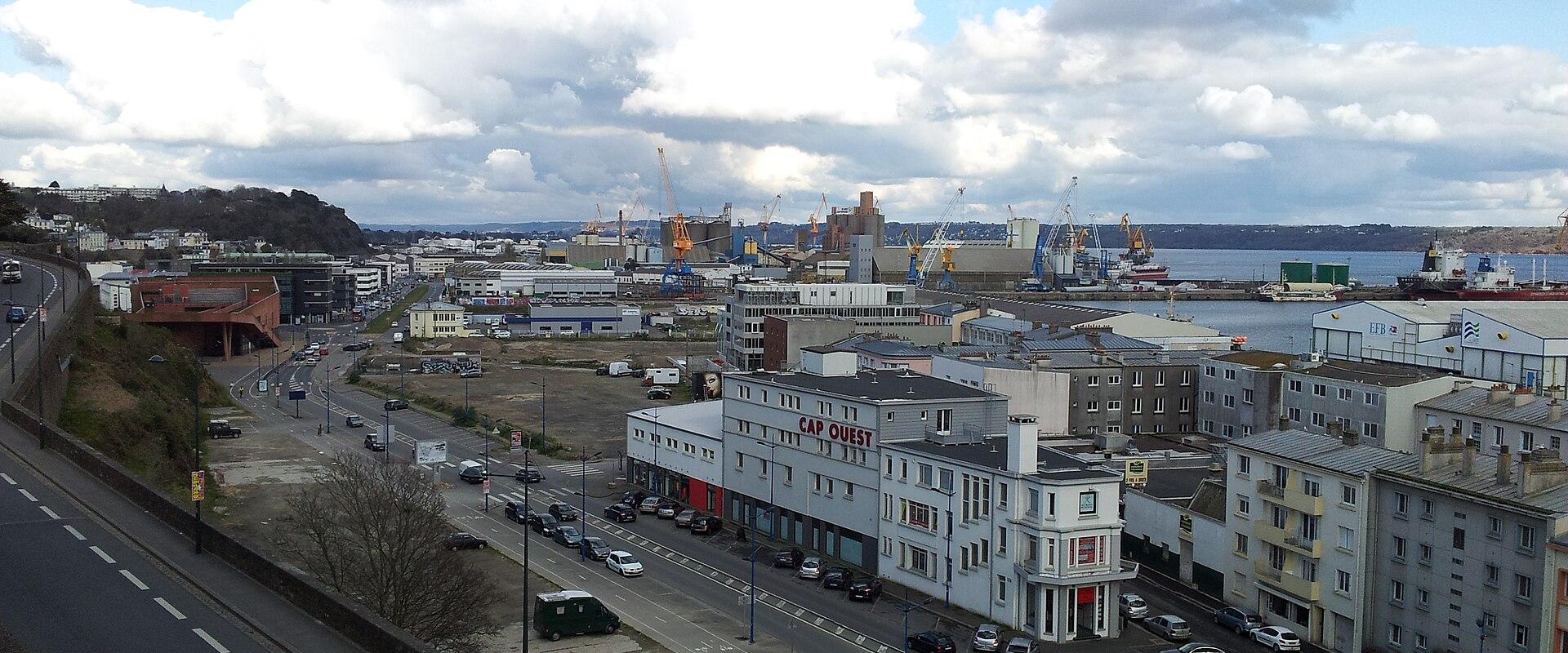
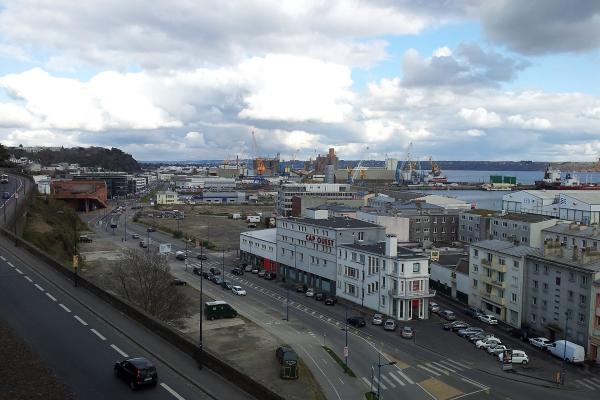
Brest is France's great Atlantic naval port, and the Port de Commerce is its commercial harbour, a stretch of quays on the north side of the rade, the huge sheltered bay that opens to the Atlantic through a narrow gap. While the military arsenal lies along the Penfeld river and the pleasure boats are moored at the Moulin Blanc marina to the east, the commercial port is where cargo ships, ferries and cruise ships dock, and it gives an impression of the working side of a city built around the sea. The port is next to the centre, so it is easy to reach on foot, and its quays offer wide views over the bay.
Brest has a long maritime history. The natural harbour, one of the largest and safest on the Atlantic coast, attracted ships from the time of the Romans, and in the seventeenth century, Cardinal Richelieu and Louis XIV chose it as a base for the royal navy, building the arsenal and the fortifications that Vauban later improved. The port remained a major centre for the fleet and for trade throughout the following centuries, and it saw convoys, shipbuilding and expeditions. In the Second World War, the German navy used it as a submarine base, and it was heavily bombed. In 1944 the city was almost completely destroyed, and it was rebuilt in the following years in a modern style, with wide avenues and concrete buildings, which gives it a different look from the old towns of Brittany.
Today the commercial harbour handles freight and passenger traffic, and ferries leave from Brest for the island of Ouessant, a rugged, windswept island at the edge of Europe, as well as for Molène and other islands in the Iroise Sea. Visitors who like ships will enjoy a stroll along the quays, watching the ferries, the cargo vessels and the fishing boats come and go, and the tugs and pilot boats that guide big ships in and out. Across the water, the headland of the Crozon peninsula forms the horizon.
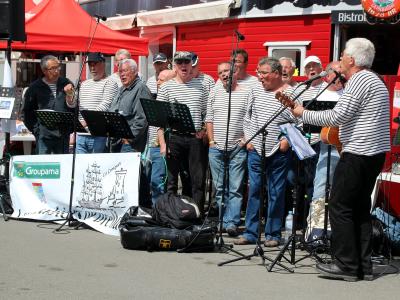
Brest is also famous for its maritime festivals. Every four years, the city hosts a huge gathering of traditional sailing ships from around the world, the Fêtes maritimes internationales de Brest, which fills the harbour with hundreds of boats and draws hundreds of thousands of visitors, with concerts, parades and regattas. At other times of the year, local events on the water draw smaller crowds, and the Cité du Ponant, the area around the port, has cafés and restaurants where you can sit by the water.
The port is within walking distance of other sights. The Château de Brest, home to the Musée National de la Marine, stands at the mouth of the Penfeld, and the Pont de Recouvrance and the modern cable car across the river give views of the arsenal. The Musée des Beaux-Arts and the Océanopolis aquarium are also in the city, and the small port of Le Conquet is a short drive west. The Port de Commerce suits those interested in ships and the sea, and a stroll takes an hour or so.
Categories
More photos coming soon
Admission Fees
- Admission
- Free admission
Hours and prices change, especially out of season. Check with the venue before you go.
Nearby Attractions
Other places to visit in Brest
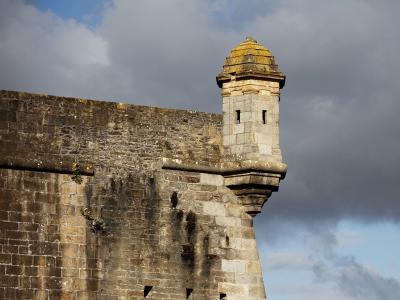
Château de Brest
17th-century fortress housing the National Navy Museum
From €9 Castles · Harbors

Océanopolis
Europe's largest open-air aquarium in Brest
From €24.90 Marine Parks · Natural History
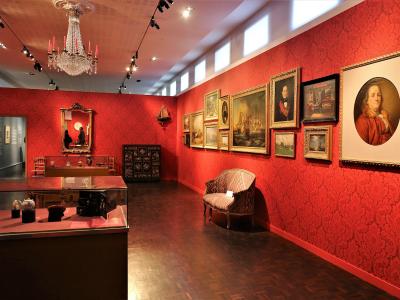
Musée des Beaux-Arts de Brest
Brest's main art museum housing French and Italian old ma...
From €5 Art Museums
Le Conquet
Historic Breton port town
Harbors · Historic Towns
Questions people ask
Quick Facts
Best Time to Visit
Late June to early September offers warm weather and ideal conditions for outdoor activities and sightseeing.