







- Where
- Bonifacio, Corsica
- Directions
- Directions
Bonifacio occupies one of the most spectacular positions in the Mediterranean, a citadel built on a long limestone peninsula at the southern tip of Corsica, with white cliffs falling about seventy metres straight into the sea on three sides. The town is divided into two parts, the Haute Ville, the upper town enclosed within the fortifications, and the Marine, the port at the water's edge below, and the gates and stairways that join them are the best way to understand how it works. The Porte d'Aval belongs to this system of gateways and defences, and a walk around the old fortifications shows how the town protected itself.
The setting is extraordinary. The limestone has been eroded by wind and waves, so that the cliffs are undercut and in places overhang the sea, and the houses of the old town stand perilously close to the edge, some of them seeming to hang over the void. The Strait of Bonifacio, which separates Corsica from Sardinia, is only eleven kilometres wide, and on a clear day Sardinia can be seen across the water, its white cliffs echoing those of Corsica. The straits are known for their strong winds and dangerous currents, and many ships have been wrecked on the nearby reefs, including the frigate Sémillante in 1855.
The town was founded, according to tradition, in the ninth century by a Tuscan lord, Boniface, but its history really begins in 1195, when Genoa took control and built the citadel as a stronghold, populating it with settlers from Liguria. The Genoese fortified the town heavily, and it withstood several sieges, including that of 1420 by the Aragonese, when, according to a legend, the soldiers of King Alfonso V of Aragon cut a staircase into the cliff in a single night to attack the town, though the story is more romance than record. The staircase, known as the Escalier du Roi d'Aragon, has about 180 steps and leads down the cliff face to the sea, and it can be visited from the upper town.
The upper town, entered through the Porte de Gênes, the Genoa Gate with its drawbridge, is a maze of narrow lanes, tall houses linked by flying buttresses that carry gutters, and small squares. The Bastion de l'Étendard offers views of the cliffs and the strait, the Chemin de Ronde follows the walls, and the church of Sainte-Marie-Majeure, with its covered loggia, was where water was once collected and distributed. Collégiale Saint-Antoine and other churches add to the sights. Below, the Marine is a busy harbour lined with restaurants where fresh fish, lobster and local specialities are served, and boat trips leave from the port to visit sea caves, such as the Grotte du Sdragonato, and the cliffs seen from the water.
The town can be explored on foot, by a small tourist train or on guided tours, and the best views are in the early morning and evening. It is crowded in summer, so come early. The Lavezzi Islands, a nature reserve of granite islets, can be reached by boat. The area suits walkers, photographers, sailors and history lovers. The paths are steep and uneven, so wear sturdy shoes.
Categories
More photos coming soon
Nearby Attractions
Other places to visit in Bonifacio
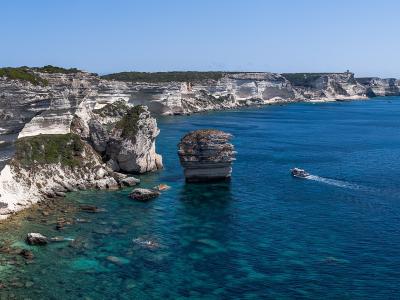
Citadelle de Bonifacio
Medieval citadel with limestone cliffs and historic stair...
Free Cliffs · Fortresses
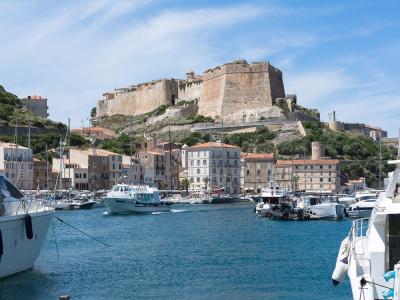
Old Port (Vieux Port)
Fjord-like harbor carved into white limestone cliffs
Harbors · Heritage Trails
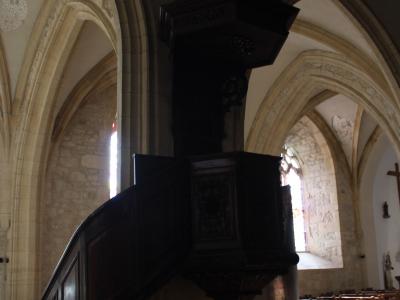
Collégiale Saint-Antoine
13th-century collegiate church in Bonifacio
Free Historic Architecture
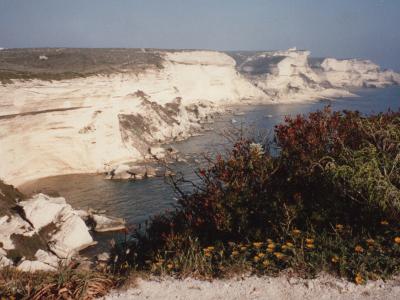
Bonifacio Cliffs
White limestone cliffs in Bonifacio, Corsica
Cliffs · Fortresses
Questions people ask
Quick Facts
Best Time to Visit
Late June to late August offers warm weather and ideal conditions for beach activities and boat tours.